Trump 'Constantly Wrongfooted' as Major Policy Moves Repeatedly Collapse, Analysis Finds
Key Takeaways
- •Journalist James Ball asserts that Trump is consistently surprised by international backlash to his policy announcements despite having access to extensive U.S. intelligence resources.
- •Israeli Prime Minister Benjamin Netanyahu publicly rejected Trump's proposed Gaza disarmament deal with Hamas, calling it fictitious and demanding a stronger agreement.
- •Trump reportedly no longer attends daily intelligence briefings and instead gathers information from Fox News and advisers reluctant to deliver unfavorable news.
- •Ball argues that Trump frequently announces major peace plans that fall apart within days, including repeated claims of deals with Iran regarding the Strait of Hormuz.
- •The article contends that Trump's departure from traditional interagency diplomatic coordination has left him unable to anticipate responses from both allies and adversaries.
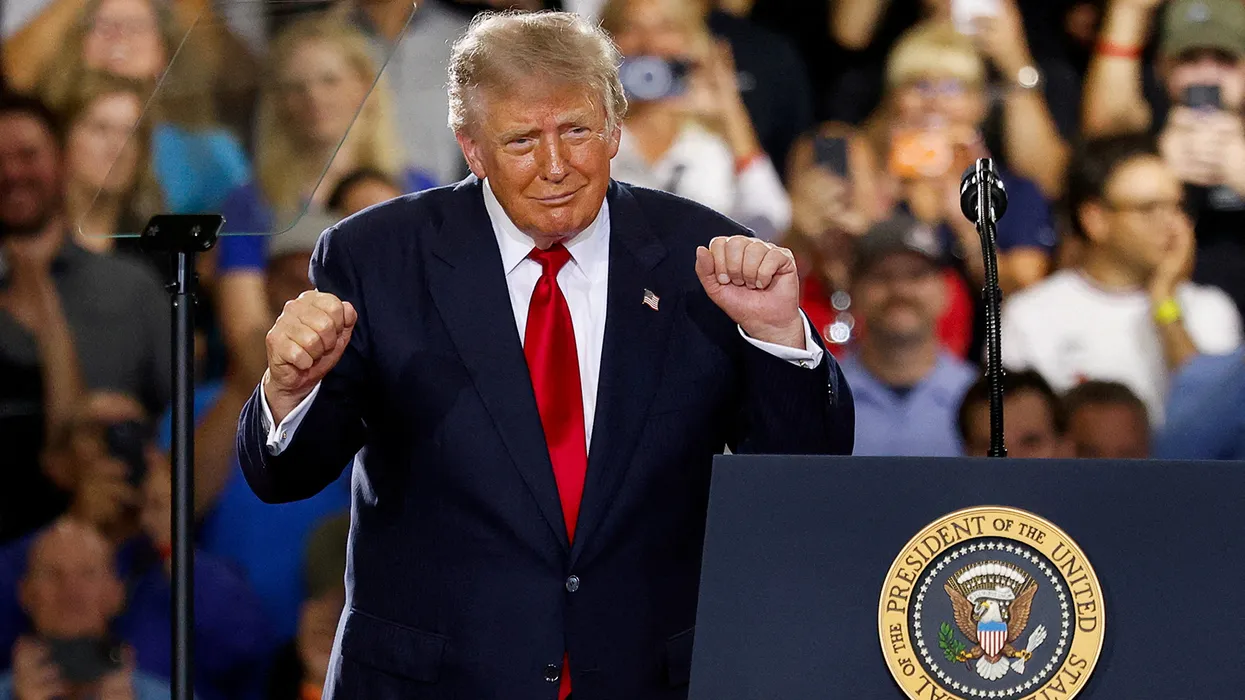
President Donald Trump is "almost constantly wrongfooted" as his most significant policy initiatives continue to unravel, and according to a new analysis by journalist James Ball for The i Paper, he is consistently the last person to recognize these failures.
In a Monday piece for The i Paper, Ball described it as "particularly strange" how frequently Trump appears caught off guard by the negative reception his announcements receive from other world leaders. Ball argued that one would ordinarily assume it difficult for a president to be surprised by international reactions, given their access to the "largest and most powerful intelligence agencies in the world." Successive U.S. administrations have for decades relied on the President's Daily Brief — a classified intelligence summary produced by the CIA — to anticipate how foreign governments are likely to respond to American diplomatic moves.
One recent example Ball highlighted was Trump's announcement of a "monumental" Gaza disarmament deal with Hamas — a declaration that conspicuously lacked the usual "pomp and circumstance" associated with such a major diplomatic breakthrough, and from which Israel was notably absent. The reason for that absence became apparent when Israeli Prime Minister Benjamin Netanyahu bluntly rejected Trump's proposal, calling it "fictitious" and demanding a deal that went further.
"Netanyahu and Trump are supposed to be close friends," Ball explained. "Israel is the U.S.'s closest ally, and is deeply reliant on U.S. military and financial support for its survival. The US president should not be getting surprised or publicly embarrassed by Israel like this – and yet, here we are. The reality is that no one except Trump will be surprised by this: elections in Israel are just a few months away, and Benjamin Netanyahu is facing an extremely tough battle to hang on to the premiership – especially given his ongoing corruption trial, which hugely raises the stakes for him."
Ball argued that this episode was not even a case of Trump being "played" by another country. Since Israel had never been supportive of the proposal, "Instead, he's played himself." The pattern reflects a broader departure from the traditional U.S. diplomatic process, where major announcements involving allies are typically coordinated through extensive interagency review and pre-cleared with partner governments before being made public.
"This kind of embarrassment is hardly an isolated incident, though," Ball added. "Trump is getting in the habit of announcing major peace plans and deals on a weekly basis, which usually fall apart within a matter of days, if not hours. He has announced peace deals with Iran – and the reopening of the Strait of Hormuz – so many times now that it barely makes headlines when he does. Trump's approach to geopolitics seems to have been reduced to merely announcing what he wants to happen, and then getting increasingly angry when it doesn't just magically come to pass." The Strait of Hormuz, through which roughly a fifth of global oil consumption passes, has been a recurring flashpoint between the U.S. and Iran across multiple administrations.
According to Ball, Trump has trapped himself in "the ultimate filter bubble." The president reportedly no longer attends daily intelligence briefings, instead obtaining information from Fox News — described by Ball as "a news channel that shamelessly panders to him" — as well as "from sycophantic advisers who know what happens to anyone who tells Trump something he doesn't want to hear."
"If Trump were just another 80-year-old whiling away his retirement at home, this would be harmless enough – but he's not," Ball concluded. "Instead, he's trying to run the world while in this state, so out of touch that he can't even predict what his allies will do, let alone his enemies, and unable to think even one move ahead. Donald Trump likes to think he's the master of the great game of geopolitics. In reality, he is doing little more than constantly playing himself."

