Trump Suggests His Decade-Long Rally Era May Be Ending: 'I'm Closing It Down Tonight'
Key Takeaways
- •Trump declared Sunday's rally in Salina, Kansas, would be his last, stating he was closing down a format he has used for more than a decade.
- •He attended 30 events in 32 days ahead of the midterm elections as polls ran against him and voters voiced frustration over an unaffordable economic landscape.
- •The Silver Bulletin approval tracker puts Trump's national approval at an average of 37.3 percent, with 59.9 percent of Americans disapproving of his job performance.
- •Insiders and observers describe the president as increasingly unfocused, agitated, and fatigued, with concerns raised about his health amid eroding public support.
- •The rallies have functioned both as a mobilization tool for his base and as a consistent generator of breaking-news coverage, making their potential end significant for how he reaches supporters.
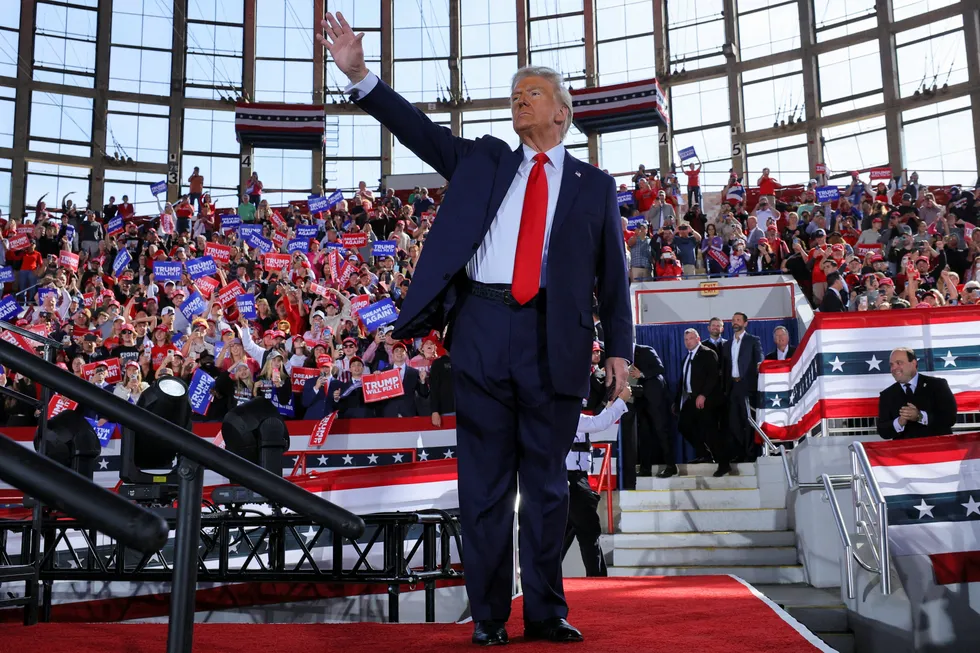
President Donald Trump's decade-defining campaign rally era may be drawing to a close. For more than ten years, Trump and his rallies have been nearly inseparable, but as the midterm elections arrive, a recent remark from the president has fueled speculation that he may be stepping away from the signature political format.
"I'm closing it down tonight," Trump said Sunday as he opened what he described as his final rally in Salina, Kansas. "This is it."
The comment came as Trump pushes through a demanding campaign schedule in an effort to shift momentum, with polls running against him and millions of voters expressing frustration over an unaffordable economic landscape. He has attended 30 events in 32 days, and some observers argue the rallies have done little to help — and may even continue to hurt — his cause.
Trump's rallies have long been packed with headline-making soundbites, even as much of his rhetoric draws controversy. Blurring the line between politics and entertainment, the events have become a spectacle unlike anything else in American politics — a format that has functioned both as a mobilization tool for his supporters and as a recurring source of breaking-news coverage. Now, as he approaches the lame-duck phase of his presidency, Trump appears to be contemplating a political future without the friendly arenas where historically low approval ratings are drowned out by the cheers of thousands of devoted supporters.
During Sunday's rally, Trump celebrated the events as "a unique thing that's taken place," adding: "We've been doing this for 11 years, and there's never been anything like it, and there probably never will be again. There'll never be the crowds. There'll never be the feeling."
He is well aware that his rallies generate breaking news. According to an analysis from The Washington Post, no two rallies are exactly alike, but attendees have come to expect a familiar lineup of sights, sounds and talking points: inflammatory remarks aimed at political opponents, selections from his personally curated playlist, and the energy of thousands of supporters cheering his name.
Beyond the spectacle, however, the numbers tell a less flattering story — one Trump is likely to challenge. According to the Silver Bulletin approval tracker, Trump's national approval rating has fallen to an average of 37.3 percent, while 59.9 percent of Americans disapprove of his job performance.
The growing decline in public support is reportedly taking a toll on the president, who has appeared increasingly unfocused and scattered during public speeches. Insiders describe him as frequently agitated, while observers have raised concerns about his apparent fatigue and his overall health appearing to be in decline. Against that backdrop, his suggestion that the rallies may be coming to an end could reflect a growing recognition of the political realities confronting him. Whether Sunday's announcement proves to be the format's true finale — and how Trump reaches his supporters if the rallies do end — should come into focus once the midterm results are in.

