Trump Extends Jones Act Waiver for 90 Days Amid Fierce Domestic Maritime Opposition
Key Takeaways
- •President Trump extended for 90 days a waiver permitting foreign-flagged vessels to transport oil and commodities between American ports, marking the longest suspension of the Jones Act since its enactment in 1920.
- •Under the new extension effective August 17, individual voyages will be reviewed by the Pentagon and the Maritime Administration instead of receiving blanket exemptions, with a focus on energy and agricultural commodities.
- •The administration reports that more than 200 otherwise prohibited domestic tanker voyages have taken place under the waiver since it was first granted in March following the Iran war's disruption of oil flows through the Strait of Hormuz.
- •House Speaker Mike Johnson and 51 fellow Republicans sent a letter to Trump urging him to let the waiver expire, arguing that foreign vessels in domestic trades undermine maritime jobs, shipbuilding capacity, and national security.
- •The latest extension runs through mid-November, at which point the administration will face another decision on whether to continue the waiver amid ongoing disruption around the Strait of Hormuz.
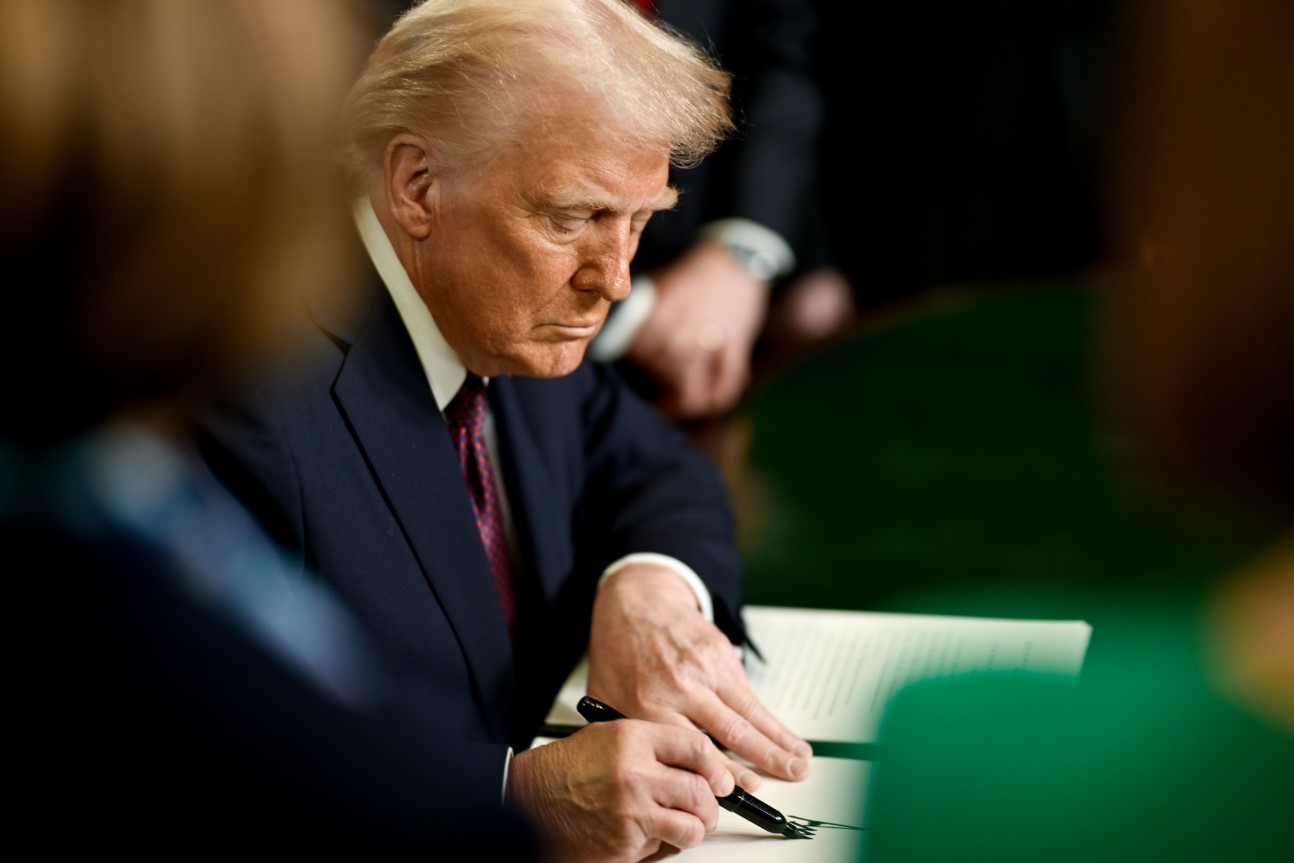
US President Donald Trump has extended for an additional 90 days the unprecedented waiver permitting foreign-flagged vessels to transport oil and other commodities between American ports. The extension comes with tighter controls, however, following fierce pushback from the domestic maritime industry.
The waiver was first introduced in March after the Iran war disrupted global energy flows through the Strait of Hormuz, through which roughly a fifth of the world's daily oil consumption normally passes. It already ranks as the longest suspension of the Jones Act — formally the Merchant Marine Act of 1920 — which for over a century has required that goods shipped between US ports be carried on vessels that are American-built, American-owned, and American-crewed. Those requirements make domestic maritime shipping more costly than using foreign-flagged alternatives, a trade-off Congress has long preserved to maintain a US-flagged fleet, domestic shipyards, and trained merchant mariners available for national defense.
Under the latest extension, which takes effect on August 17, individual voyages will now be subject to review by the Pentagon and the Maritime Administration rather than receiving blanket exemptions. The waiver will focus specifically on energy and agricultural commodities.
The White House contends that the measure has boosted domestic deliveries of gasoline, diesel, and jet fuel, and that it remains necessary to guarantee supplies to the military and critical industries as disruption around the Strait of Hormuz persists. According to the administration, more than 200 otherwise prohibited domestic tanker voyages have taken place under the waiver.
The decision has been met with increasingly vocal opposition from shipbuilders, maritime unions, and lawmakers on both sides of the aisle. House Speaker Mike Johnson and 51 fellow Republicans wrote to Trump last month urging him to allow the waiver to expire, arguing that permitting foreign tonnage into domestic trades undermines US maritime jobs, shipbuilding capacity, and national security. The pushback from dozens of the President's own party members underscored the political weight of a law that sits at the intersection of industrial policy and national defense strategy.
The American Maritime Partnership, a coalition representing domestic maritime interests, has been equally combative. AMP President Jennifer Carpenter labelled the previous extension an affront to US maritime workers and argued that weakening the Jones Act directly contradicts Trump's stated goal of restoring American maritime dominance. The latest extension runs through mid-November, when the administration will face another decision on whether the waiver should continue.

