Trump Scolds Staff Over Low Chair at White House Event Expanding Ratepayer Protection Pledge
Key Takeaways
- •Trump complained at the EPA event that he had been assigned an unusually low seat, recalling a similar incident at the G7 summit in Évian-les-Bains.
- •The Ratepayer Protection Pledge calls on AI firms and data center developers to absorb energy and infrastructure costs instead of passing them to consumers.
- •The expanded pledge includes 23 governors, more than 150 utilities and cooperatives, and 28 data center developers.
- •The White House says the voluntary initiative covers roughly 80% of electricity delivered to U.S. homes and businesses.
- •The pledge expansion comes as data center growth strains power grids and public opposition intensifies ahead of the midterm elections.
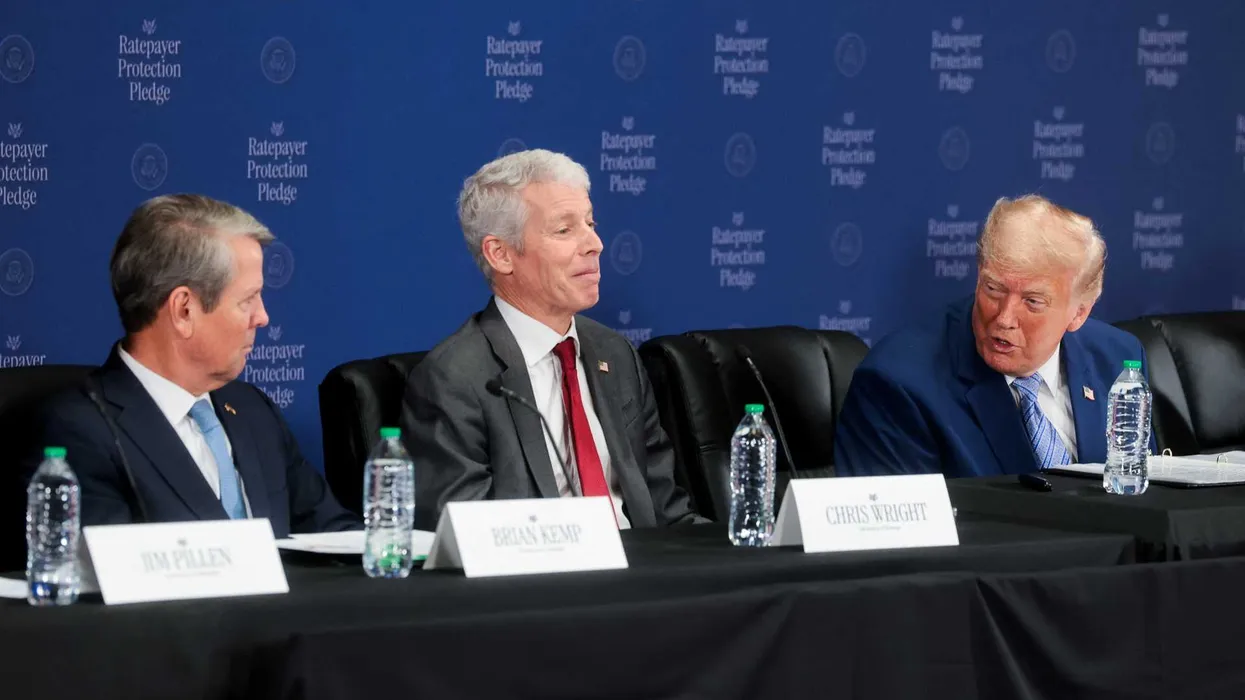
President Donald Trump complained at an event held at EPA headquarters on Thursday that staff had given him "the lowest seat," reviving a grievance that first drew international attention at the G7 summit last month.
The Thursday event marked a significant expansion of Trump's Ratepayer Protection Pledge, a voluntary initiative first announced during his State of the Union address and formalized with technology companies in March. The pledge requires AI companies and data center developers to cover their own energy and infrastructure costs rather than passing them on to consumers. The surge in data center construction across the United States, driven largely by demand for artificial intelligence computing, has placed unprecedented strain on regional power grids and prompted utilities to seek rate increases that would affect ordinary households.
Trump made his feelings about the seating known early in the proceedings.
"They gave me the lowest seat I've ever sat in," Trump said at the event. "They do that on purpose."
He walked the accusation back slightly moments later, nodding toward Energy Secretary Chris Wright. "I don't think it was Chris that did it," Trump said. "Chris wouldn't do that."
Trump's frustration over being seated lower than his counterparts surfaced last month at the G7 summit in Évian-les-Bains. The president was caught on a live microphone struggling with a chair he said was lower than everyone else's at the table, according to International Business Times. Canadian Prime Minister Mark Carney resolved the standoff by offering Trump his own seat, which the president accepted.
The expanded pledge now encompasses more than 200 organizations, including 23 governors, more than 150 utilities and cooperatives, and 28 data center developers. According to the White House, the initiative covers roughly 80 percent of the power delivered to American homes and businesses. Because the pledge is voluntary, its effectiveness depends on whether signatories follow through on commitments that carry no enforcement mechanism.
The expansion arrives as public opposition to data centers has intensified ahead of the midterm elections. The Associated Press reported that the pledge's initial round in March did little to reassure voters already contending with affordability concerns.
"Poll after poll shows Americans turning against data centers," analyst Paul Waldman argued. Trump "seems to have decided to become the face of an issue on which he's on the wrong side of two-thirds of the public."
Back at the podium on Thursday, Trump was candid about the limits of his own understanding of the policy's technical underpinnings.
"Nobody's ever explained to me why it's so much electricity, why you need so much," Trump said at the event. "Nor did I care that much, to be honest with you."

