Trump Declares National Emergency to Shield US Power Grid From Foreign Equipment
Key Takeaways
- •The order targets transformers, generators, inverters, and related software in the bulk-power system, but it does not cover local distribution networks.
- •The Department of Energy has 120 days to issue implementing regulations and can require mitigation measures ranging from software patches to hardware replacement.
- •The administration cited rogue communication devices in solar inverters and cyberattacks on US water facilities as evidence of foreign-sourced critical infrastructure risk.
- •China supplies about 80% of global solar and battery inverter manufacturing capacity, leaving many US utility-scale solar projects exposed to Chinese-made components.
- •Utilities may face long lead times and high costs for compliance, while US manufacturers of grid equipment could gain market share.
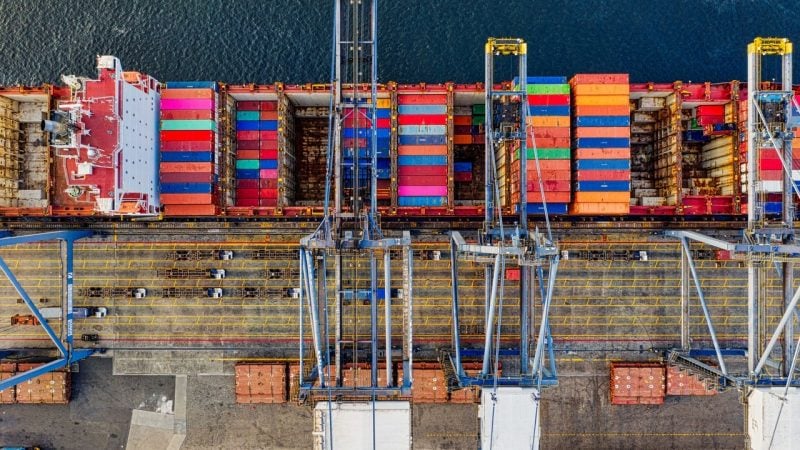
President Donald Trump signed an executive order on August 26 declaring a national emergency to protect the US bulk-power system from foreign-produced electrical equipment. The order targets transformers, generators, inverters, and associated software that could harbor hidden communication devices or unauthorized remote access pathways.
Scope of the Order
Despite its sweeping language, the measure is not a blanket ban on every foreign-made component connected to the American grid. The executive order centers on risk-based assessments of equipment used in the bulk-power system — the large-scale generation and transmission infrastructure that moves electricity across states and regions. Local distribution networks, the last-mile wires that deliver power to homes, are not covered.
The Department of Energy has 120 days to issue implementing regulations. The Secretary of Energy will hold authority to evaluate existing at-risk equipment and order mitigation measures, which could range from software patches to full physical replacement of compromised hardware.
The order describes the foreign threat as "unusual and extraordinary," the legal language required to invoke emergency powers. That phrasing gives the executive branch broader authority to act without waiting for Congress to pass new legislation.
Background of the Decision
Reports of rogue communication devices discovered inside solar inverters have rattled national security officials. Cyberattacks targeting US water facilities added fuel to the argument that foreign-sourced equipment in critical systems poses a tangible, rather than theoretical, risk.
China accounts for roughly 80% of global solar and battery inverter manufacturing capacity, according to International Energy Agency data. That concentration means nearly every utility-scale solar project in America has some exposure to Chinese-made components, underscoring why grid security and supply-chain dependence are now being treated as linked policy issues rather than separate ones.
The executive order builds on a series of escalating government actions. Trump signed a previous emergency declaration in January 2025 addressing bulk-power vulnerabilities. In July 2026, the FCC added foreign power inverters to its Covered List, a regulatory designation that restricts their use in federally funded projects. The original precedent dates back to a 2020 executive order that first flagged the risks of foreign equipment in the bulk-power system, though implementation stalled under the Biden administration before being revived.
Compliance Costs and Domestic Impact
For utilities, compliance will not be cheap or quick. Transformers alone are notoriously difficult to source domestically. They are custom-built, weigh hundreds of tons, and have lead times that can stretch beyond two years even under normal conditions.
The flip side is a potential windfall for domestic manufacturers. With foreign competitors facing new barriers, US-based producers of transformers, inverters, and grid control systems stand to capture market share they have been losing for decades. The order could accelerate investment in domestic manufacturing capacity, a trend already supported by Inflation Reduction Act incentives and other industrial policy measures.
What Comes Next
The 120-day window for DOE rulemaking will determine how aggressive the implementation actually becomes. The difference between "replace all Chinese inverters within three years" and "conduct risk assessments and remediate as needed" is enormous, both in cost and in practical impact on the grid.
The renewable energy sector faces a particularly complex adjustment. Solar and battery storage projects have been built around Chinese supply chains for years — not out of carelessness, but because no other country manufactures these components at comparable scale and cost. That makes the policy a test not only of security screening, but of how quickly utilities, developers, and manufacturers can rework procurement without disrupting ongoing projects.
Grid operators and regional transmission organizations will also be watching closely. If compliance timelines are tight, some regions could face difficult choices between maintaining reliability standards and meeting replacement deadlines — a tension that regulators will need to manage carefully to avoid creating the very vulnerabilities the order is designed to prevent.

