Trump's Kingmaker Influence Wanes as Endorsed Candidates Fall in Republican Primaries
Key Takeaways
- •Trump-endorsed candidates suffered primary defeats in multiple states including Minnesota, Michigan, Tennessee, and South Carolina.
- •In Minnesota, Mike Lindell lost the Republican gubernatorial nomination to state House Speaker Lisa Demuth despite holding Trump's endorsement.
- •Trump-backed candidate Amir Hassan was defeated in a Michigan congressional primary by Thomas Smith, who had already withdrawn from the race.
- •Darline Graham, endorsed by Trump for her late brother Lindsey Graham's Senate seat, fell short of the 50 percent threshold required to avoid a runoff against Rep. Ralph Norman in August.
- •Fritschner noted that the losses occurred among primary electorates, who represent the most loyal segment of the MAGA base, signaling an erosion of Trump's kingmaker influence.
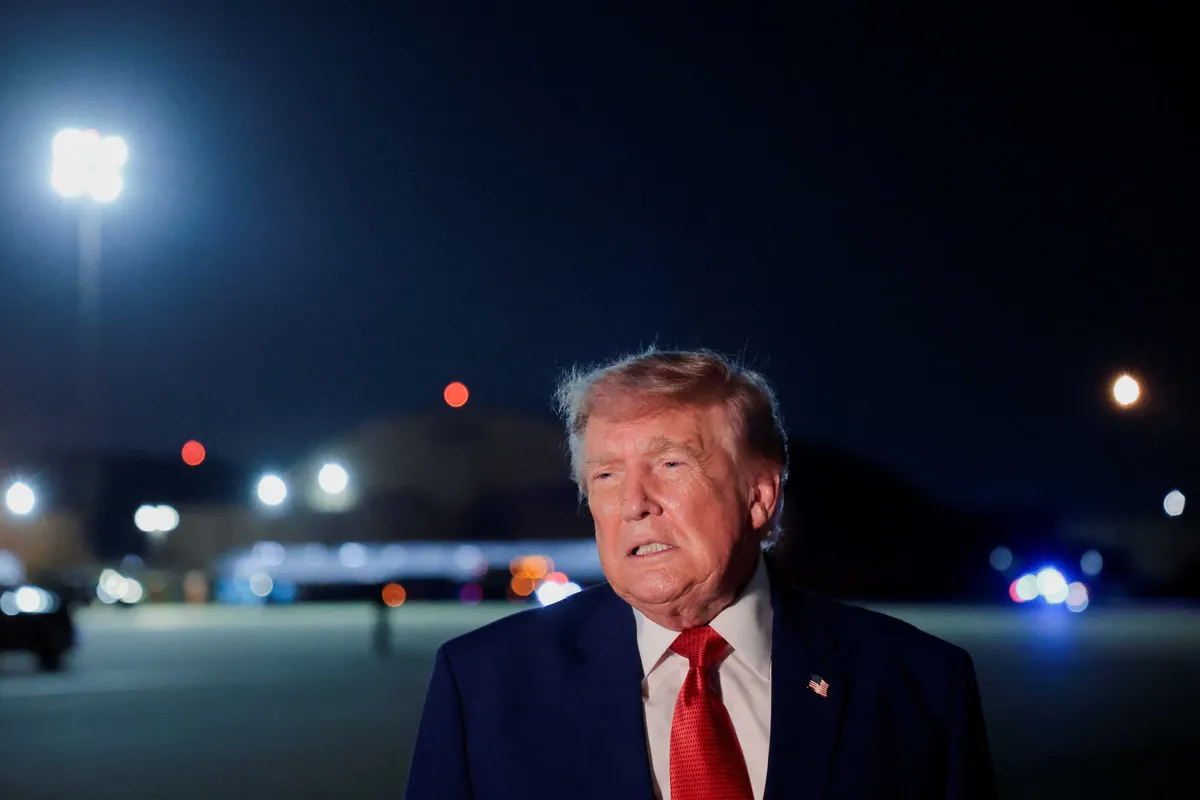
As primary election results continue to roll in this week, a discernible pattern is taking shape, according to longtime congressional staffer Aaron Fritschner: President Donald Trump's once-decisive kingmaker influence within the Republican Party is on the decline.
Trump's endorsement has long been one of the most coveted assets in Republican politics, frequently serving as a decisive factor in competitive primaries and a litmus test for party loyalty. Through multiple election cycles since 2016, candidates bearing his endorsement routinely outperformed better-funded or more experienced opponents, making the recent losing streak a striking departure from that trend.
Fritschner, who shared his analysis on X, pointed to a string of recent defeats for candidates who received Trump's formal endorsement — losses spanning multiple states and different levels of office.
In Minnesota, MyPillow CEO Mike Lindell failed to secure the Republican gubernatorial nomination, losing to state House Speaker Lisa Demuth. Lindell, a prominent MAGA figure and one of the most vocal promoters of 2020 election conspiracy theories, had Trump's backing but was unable to translate that support into a primary victory.
In Michigan, Trump-endorsed Navy veteran Amir Hassan suffered a stunning defeat in a congressional primary. Hassan lost to Thomas Smith — a candidate who had withdrawn from the race weeks earlier — yet still managed to capture a majority of Republican primary voters, as Fritschner highlighted. A loss to a withdrawn candidate underscores how little pull the endorsement carried with voters in that district.
Tennessee delivered another setback for the former president's endorsement record. Scandal-plagued incumbent Rep. Andy Ogles, who had both Trump's endorsement and support from elements of the GOP establishment, was defeated by former Tennessee Agriculture Commissioner Charlie Hatcher.
In South Carolina, Trump surprised the state's Republican establishment by fully backing Darline Graham — sister of the late Sen. Lindsey Graham — to serve a full term in her brother's seat. While Graham currently leads the primary field, she fell well short of the 50 percent threshold required to avoid a runoff and will now face Rep. Ralph Norman in an August contest.
Fritschner emphasized the significance of these results by noting that primary electorates represent the most loyal segment of the MAGA base. Despite that advantage, he observed, Trump's ability to deliver victories for his chosen candidates appears to be eroding.
"This is the primary electorate, the most faithful MAGA voters," Fritschner wrote, "and even with them, he's weakening before our eyes." The pattern across four states raises questions about whether Trump's endorsement will retain its outsized value in future Republican nominating contests, where candidates have historically aligned themselves with the former president as a near-prerequisite for competitive campaigns.
