Trump remarks raise fears of an unprecedented midterm power grab
Key Takeaways
- •Trump has lost approximately two dozen court cases tied to his efforts to seize control of local elections, while placing allies who back his false-election narrative in key positions.
- •Voting experts cited by The Guardian warn that administration moves sowing doubt about election integrity raise the prospect of a national emergency declaration, which Trump did not rule out when asked, while noting that confirmed noncitizen voting is rare and already a federal crime.
- •An emergency proclamation under the National Emergencies Act of 1976 unlocks more than 100 standby statutory powers, and Trump already invoked the mechanism this term for the southern border in January 2025.
- •The SAVE America Act, which would authorize Homeland Security to de-register voters deemed ineligible and require documentary proof of citizenship to register, cleared the Republican-led House in April 2025 but has not progressed in the Senate.
- •Lawyers and advocacy groups, including Common Cause and the Elias Law Group, argue that federalizing elections violates the Elections Clause of Article I, and are litigating against administration orders, including an effort to direct the US Postal Service into election administration.
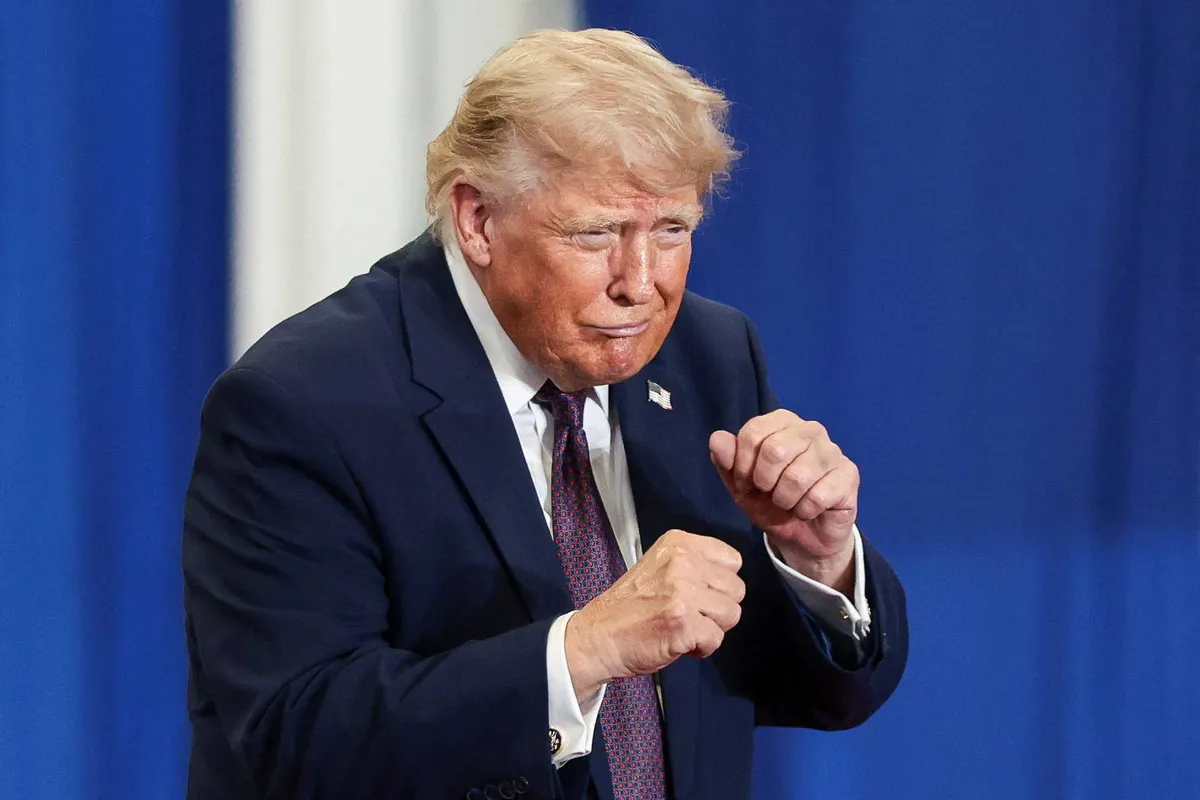
President Donald Trump has lost roughly two dozen court cases over his efforts to seize control of local elections and has also installed allies of his false-election narrative into key positions of power. Now, according to a recent report, Trump is escalating efforts to ensure Republicans retain control of Congress in the November midterm elections, regardless of the voters’ will.
“A series of moves by Donald Trump’s administration to sow doubt in the integrity of US elections have intensified concern among voting experts – and sparked hope among election deniers – that it could declare a national emergency,” reported The Guardian’s George Chidi on Sunday. “The White House and US federal agencies have released a string of documents this summer – including disputed analyses of alleged voting by noncitizens and historical intelligence memos – stoking expectations that the US president could move to exert greater control over November’s US midterm elections.” That framing rests on contested ground: noncitizen voting in federal elections is already a federal crime, and audits and studies of voter rolls have repeatedly found confirmed cases to be rare.
Chidi added, “Trump used a primetime television address in July to claim – again – that US elections were vulnerable to foreign manipulation, and repeat the lie that the 2020 presidential election, which he lost to Joe Biden, was stolen.”
He continued, “Trump’s speech prompted Steve Bannon, his former political strategist, to predict the US president will declare a state of emergency on national security grounds to ‘protect’ elections.”
Trump also suggested the possibility when asked by right-wing radio host Wayne Allyn Root whether he would declare a national emergency, saying, “let me just say, stranger things have happened, OK? I’ll leave it at that.” Emergency declarations operate under the National Emergencies Act of 1976, which puts more than 100 standby statutory powers at a president’s disposal once one is proclaimed; Trump has already used the mechanism this term, declaring a national emergency at the southern border in January 2025.
Aria Branch, a partner at the Elias Law Group, which has blocked other Trump election orders, told The Guardian that the administration is “trying to lay the groundwork to declare some sort of emergency to nationalize elections. I think the president is looking for any opportunity to do that.” At the center of those efforts is Trump’s SAVE America Act, which would give the Department of Homeland Security the power to de-register everyone it deemed ineligible to vote and significantly reduce mail-in voting. The bill passed the Republican-led House in April 2025 and would require documentary proof of citizenship to register, but it has not advanced in the Senate.
“The constitution is extremely clear on this, and the founders recognized the risk of centralizing power over elections in the executive branch,” Branch told Chidi. “Very helpful, in terms of litigation to push back on these types of efforts.” The founders’ arrangement is written into the Elections Clause of Article I, which leaves the “Times, Places and Manner” of congressional elections to state legislatures and reserves any override for Congress — not the president.
Dan Vicuña, Senior Policy Director for Voting and Fair Representation at Common Cause, told AlterNet in June that Trump’s attempts to curtail voting may be illegal.
“I think some of these attempts to federalize, to nationalize elections are clearly illegal,” Vicuña explained. “You've seen some of that overreach already struck down — attempts to order independent agencies to force a strict voter ID requirement on people. That has been rejected. Common Cause is in court challenging the latest executive order to turn the United States Postal Service into some election administration agency and to create a further bureaucratic layer to make it more difficult to vote by mail. In terms of the president's authority to order around USPS, it's illegal.”
He added, “In terms of USPS's authority to become some sort of national election administration agency, it far exceeds the legal authority that Congress gave to the postal service. The statute describing what kind of work the postal service would do is about postal service work — processing mail and selling stamps. It has nothing to do with election administration.” With the November 2026 midterms approaching, the open questions now run through the courts and Congress: the outcome of the pending USPS challenge, further litigation over the administration’s election orders, and the SAVE Act’s fate in the Senate.

