Trump Truth Social Post on Slush Fund 'Grounds for Impeachment,' Says New Republic's Tomasky
Key Takeaways
- •President Trump stated he would withdraw Todd Blanche's attorney general nomination until Senators John Cornyn and Thom Tillis depart from office in January, rather than allow Blanche to commit in writing to dismantling a controversial DOJ settlement fund.
- •The $1.776 billion "anti-weaponization" fund was established by acting Attorney General Todd Blanche, Trump's former personal lawyer, as part of a settlement resolving a lawsuit in which Trump sued the IRS for $10 billion.
- •The settlement also granted Trump, his family members, and his business entities immunity from prosecution for any tax-related offenses, which experts estimate could be worth approximately $100 million in taxpayer funds.
- •Republican Senators John Cornyn and Thom Tillis broke with their party to block Blanche's confirmation, demanding written assurance that both the fund and immunity provisions would be terminated.
- •Commentator Michael Tomasky identified the slush fund and immunity grant as a top potential impeachment charge if Democrats reclaim a congressional majority in the upcoming midterm elections.
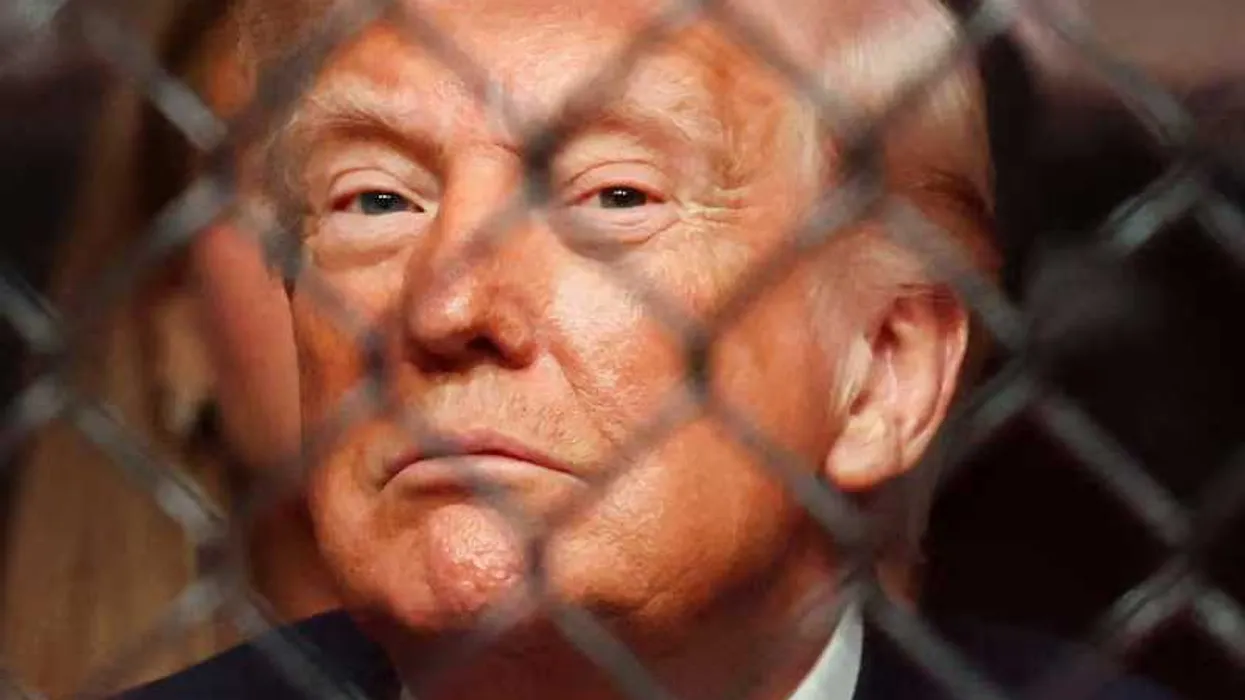
On Friday, President Donald Trump published a message on Truth Social that several commentators argue may have provided Democrats with explicit "grounds for impeachment" should they reclaim a congressional majority in the upcoming midterm elections. Trump, already the only president in U.S. history to be impeached by the House of Representatives on two separate occasions — first in 2019 over the Ukraine matter and again in 2021 following the January 6 Capitol riot — was acquitted both times by the Senate, where a two-thirds supermajority is required for conviction.
Michael Tomasky of The New Republic outlined the core of the controversy: "It all has to do with the slush fund … the result of a settlement in a mind-bending legal proceeding in which Trump sued himself: That is, the president of the United States sued the Internal Revenue Service, seeking $10 billion."
In May, acting Attorney General Todd Blanche — previously Trump's personal defense attorney — settled the lawsuit by establishing a $1.776 billion "anti-weaponization" fund intended to benefit Trump loyalists, including individuals convicted for their roles in the January 6 Capitol riot. The appointment of a former personal lawyer to lead the Justice Department marked a notable departure from longstanding DOJ norms emphasizing institutional independence from the president's personal interests. The settlement also granted Trump, his family members, and his business entities immunity from prosecution for any tax-related offenses. The Department of Justice announced the fund's creation at the time.
Following significant backlash from the public and members of Congress, the administration retreated from the arrangement. Blanche assured lawmakers that the fund would be terminated and pledged to confirm that commitment in writing. However, no written confirmation was ever produced. As a result, Republican Senators John Cornyn (R-TX) and Thom Tillis (R-NC) have refused to vote to confirm Blanche as attorney general — an unusual break within the president's own party over a cabinet-level nominee.
In response, Trump stated he would withdraw Blanche's nomination until both Cornyn and Tillis — described as lame-duck senators — depart from office in January.
"What Trump is saying here is obvious," Tomasky wrote. "The slush fund and probably especially the immunity are far more important to him than Blanche is."
Tomasky further declared: "This matter has now jumped to the top of my list of grounds for impeachment." He argued that Trump installed his own personal lawyer to oversee a lawsuit in which the president effectively appeared on both sides, producing a nearly $2 billion slush fund and sweeping immunity from tax crimes — and then openly acknowledged that preserving the fund and immunity took priority over confirming his attorney general.
The two holdout Republican senators have maintained a clear position: if Blanche were to commit in writing to dismantling both the fund and the immunity provisions, he would be confirmed swiftly. Trump has refused to permit such a written commitment.
Other legal commentators have echoed concerns about the arrangement's propriety. Former U.S. Attorney Barb McQuade stated: "Trump would rather pull Blanche's nomination for AG than allow him to commit in writing that Trump's IRS deal is off. The immunity Blanche granted to Trump from IRS audits is a windfall that some experts estimate is worth $100 million in taxpayer funds for Trump."
Reflecting on what he characterized as Trump's inadvertent admission, Tomasky wrote that "it's hard to say how many articles of impeachment the Democratic House might come up with." He added that "the biggest challenge will be deciding which high crimes and misdemeanors not to pursue. There've been dozens, hundreds, and they just can't plausibly bring an indictment of 100-plus counts. They're going to have to keep it to some number that the public can digest and buy into. But the slush fund and immunity grant sure look like count number one to me."

