Robert Kiyosaki Warns Baby Boomers Face a 'Historic Rug Pull' That Could Leave Them Homeless
Key Takeaways
- •Robert Kiyosaki predicted a severe stock market crash that could leave many baby boomers facing homelessness, though he offered no specific evidence to support the forecast.
- •Sequence of returns risk makes market downturns especially damaging for retirees, who may be forced to sell depreciated assets to cover living expenses.
- •Approximately 10,000 Americans reach age 65 each day, and Social Security trust fund reserves are projected to be depleted by the mid-2030s, potentially reducing payable benefits to around 83%.
- •Kiyosaki advocates diversifying into physical gold, silver, real estate, and alternative assets such as art rather than relying solely on traditional stocks and bonds.
- •Vanguard research indicates that working with a financial advisor can add approximately 3% in net returns over time through improved risk management and disciplined decision-making.
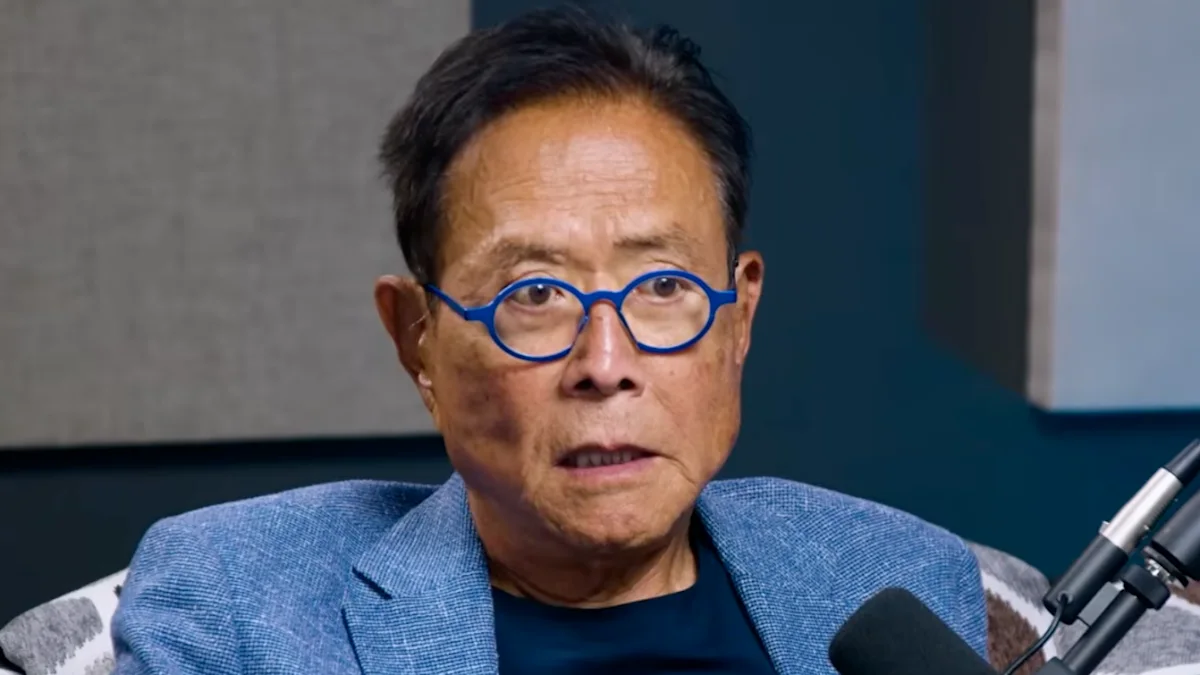
Robert Kiyosaki, author of Rich Dad Poor Dad, has built a career on forecasting financial turmoil. His latest warning, however, may be his most stark yet.
"We're being set up," Kiyosaki said during a recent appearance on the Minority Mindset podcast. He believes the baby boomer generation is on the verge of a retirement crisis driven by a severe stock market collapse.
"This is my prediction, okay? It's not a good prediction. I hope I'm wrong," Kiyosaki said. "They're going to yank the stock market, and they're going to crash the stock market. My generation is going to be homeless."
Kiyosaki did not provide evidence for the prediction, but argued that many boomers have spent decades accumulating wealth in the financial markets, leaving them vulnerable if stocks experience a severe and prolonged downturn.
"I can see it coming. It's happened before in history," he added. The 2008 financial crisis offers one concrete example: the S&P 500 lost roughly 37% that year, and many near-retirees were forced to delay retirement or significantly reduce their living standards after portfolios suffered steep declines.
While Kiyosaki has issued many such warnings over the years — many of which have not come to pass — his underlying concern about older investors carries some validity: large portfolio losses can be significantly harder for retirees to recover from than for younger investors with longer time horizons.
Why Market Crashes Hit Retirees Harder
A bear market can permanently impact retirement finances. Workers who are decades away from retirement can often continue investing through downturns, buying shares at lower prices while waiting for markets to recover.
Retirees do not have that luxury.
Those who rely on investment accounts to cover living expenses may be forced to sell assets after they have declined in value. Financial planners refer to this danger as sequence of returns risk (or sequence risk) — the phenomenon where poor market performance early in retirement, combined with regular withdrawals, can erode a portfolio's ability to recover over time, if it recovers at all.
The scale of the potential problem is considerable. Approximately 10,000 Americans reach age 65 each day, according to Census-based projections cited by the Pew Research Center, and this retirement wave is unfolding at a time when Social Security's combined trust fund reserves are projected to be depleted by the mid-2030s. If Congress does not act before then, the program's trustees estimate that only about 83% of scheduled benefits would be payable, adding further pressure on retirees who depend on the program as a financial backstop.
Kiyosaki Advocates Gold and Silver
Kiyosaki has consistently encouraged investors to own physical gold and silver, arguing that precious metals can help preserve purchasing power during periods of inflation, economic uncertainty, and financial market stress. He named Priority Gold as his exclusive precious metals partner.
Gold and silver prices can rise and fall like any other asset, but adding them to a portfolio tends to bring more stability than holding exclusively traditional stocks and bonds.
Real Estate as a Diversification Tool
Real estate has historically followed different market cycles than publicly traded equities, leading some investors to include property investments as part of a diversified strategy. Today, various platforms allow individuals to invest in professionally managed real estate projects without purchasing or managing entire properties themselves, lowering the barrier to entry and introducing potential income that can offset losses from a volatile stock market.
For investors with larger portfolios, multifamily real estate presents another avenue. In a report prepared by JPMorgan Chase, Al Brooks — the firm's vice chair of Commercial Banking — said, "I think multifamily housing is absolutely where you want to be as an investor."
Alternative Assets and the Case for Broader Diversification
Whether Kiyosaki's prediction comes true or not, one principle has endured: concentrating all investments in a single asset class can leave investors exposed when markets turn. Kiyosaki has long argued that portfolios should extend beyond traditional stocks, and some investors are taking diversification further.
Billionaires like Jeff Bezos and Bill Gates built fortunes in the stock market yet also allocate a portion of their wealth to assets that do not necessarily move in lockstep with public equities. One example is post-war and contemporary art, which outpaced the S&P 500 by 15% from 1995 to 2025 while showing near-zero correlation to traditional equities. Fractional investing platforms have made it possible for individuals to buy shares in multimillion-dollar works by artists such as Banksy, Picasso, and Basquiat. While art is illiquid and generally suited to long-term investors, it can offer an additional layer of diversification.
The Limits of Market Timing
Market timing is notoriously difficult, even for experienced investors. Rather than attempting to predict the next downturn, financial professionals generally recommend building a portfolio that can withstand various economic conditions through diversification, sound risk management, and a sustainable withdrawal strategy.
A fiduciary financial advisor can help ensure a retirement plan remains aligned with an individual's goals, risk tolerance, and timeline. They can also assist with tax planning and help optimize a portfolio for changing market conditions.
Vanguard research suggests that working with a financial advisor can add approximately 3% in net returns over time, providing investors with a greater cushion against downturns while helping them manage risk, stay diversified, and avoid emotional decisions during periods of volatility.
Whether or not Kiyosaki's forecast proves accurate, market downturns remain an inevitable feature of investing. The broader takeaway from his warning underscores a widely accepted principle: diversification across asset classes, combined with disciplined planning, remains the most reliable defense against the unpredictable nature of financial markets.
Sources: YouTube (Minority Mindset podcast); Financial Planning Association; Northwestern Mutual; JPMorgan Chase; Vanguard Canada; Pew Research Center; Social Security Administration Trustees Report.
This article provides information only and should not be construed as investment advice.

