Legal Expert Warns Trump Is Defying Supreme Court Rulings on Federal Reserve and Birthright Citizenship
Key Takeaways
- •President Trump renewed his attempt to fire Federal Reserve Board Governor Lisa Cook despite a June Supreme Court ruling requiring adherence to a formal for-cause termination process.
- •Trump issued two executive orders seeking to deny birthright citizenship, directly contradicting a Supreme Court decision upholding automatic citizenship under the 14th Amendment.
- •Legal expert Kimberly Wehle reports that Trump has already defied dozens of lower federal court orders before escalating to defiance of the Supreme Court.
- •The 14th Amendment's citizenship clause has guaranteed citizenship to virtually all persons born on U.S. soil since the Supreme Court's 1898 decision in United States v. Wong Kim Ark.
- •The Constitution does not outline a specific enforcement mechanism for presidential noncompliance with Supreme Court rulings, leaving impeachment and public pressure as the primary historical remedies.
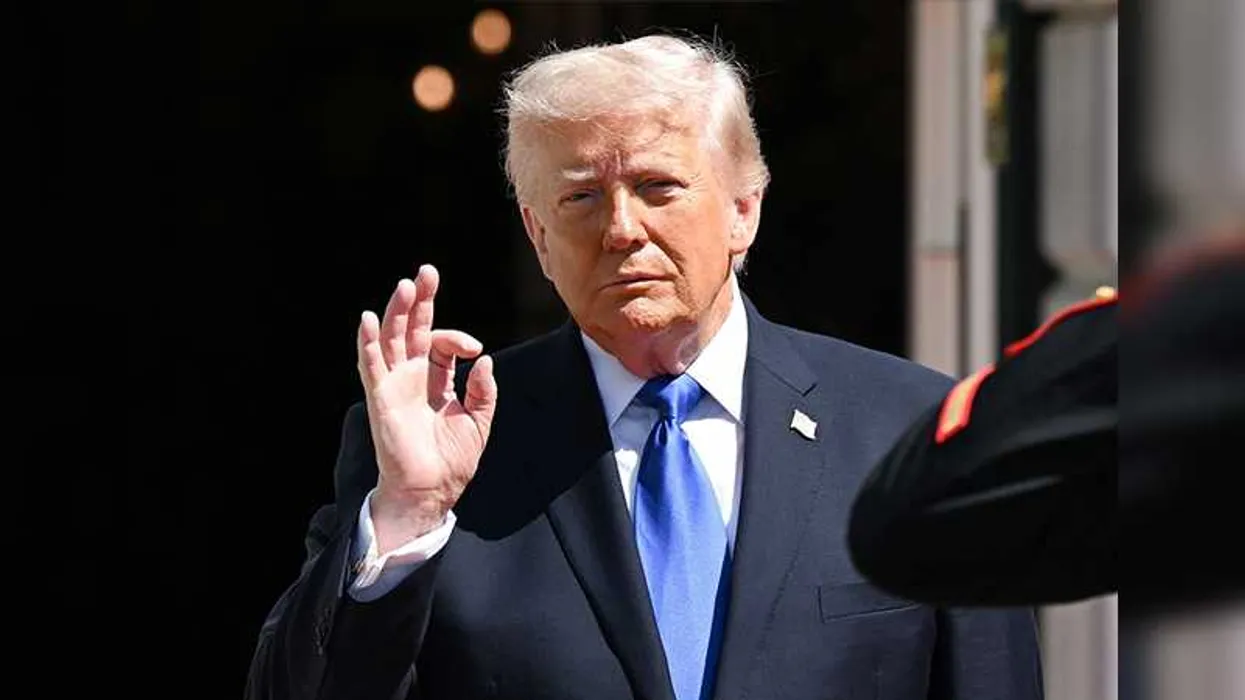
The U.S. Supreme Court has ruled favorably toward President Donald Trump on multiple occasions, including the presidential immunity decision in Trump v. the United States and the overturning of Roe v. Wade through Dobbs v. Jackson Women's Health Organization. Nevertheless, the president has expressed fury at the High Court for blocking his policies on tariffs, birthright citizenship, and other matters.
According to legal expert Kimberly Wehle — a law professor and former federal prosecutor for the U.S. Department of Justice (DOJ) — Trump is openly defying the justices, including some he appointed during his first presidency.
Writing for The Bulwark on August 10, Wehle detailed several Supreme Court rulings that Trump is challenging.
"In his quest to become the king of America," Wehle wrote, "Donald Trump made it clearer than ever, last week, that he doesn't really care what the Supreme Court has to say. First, he has decided to renew his effort to fire Lisa Cook, the Federal Reserve Board governor he first tried to fire a year ago. The Supreme Court, in a 5–4 decision this June, smacked down that previous attempt to fire her and have her immediately removed from the board, concluding that the president could fire her 'for cause' but that he had failed to follow the legally required termination process…. Second, and even more troublingly, Trump finally did what he's been gunning for since his first term: He defied the Court's authority to issue binding rulings against him."
The Federal Reserve's governance structure has long been designed to insulate monetary policy from direct political interference; Fed governors serve staggered 14-year terms precisely to limit any single president's influence over interest-rate decisions.
Wehle continued: "Rejecting another 5-4 ruling from June, Trump, last week, issued two executive orders purporting to deny birthright citizenship to several categories of individuals who are squarely covered by his sweeping loss before the Court. In Trump v. Barbara, the majority held that babies born in the United States are automatic citizens under 'the ordinary meaning of the text' of the relevant part of the 14th Amendment."
The 14th Amendment's citizenship clause has been understood as guaranteeing citizenship to virtually all persons born on U.S. soil since the Supreme Court's 1898 decision in United States v. Wong Kim Ark.
By "flouting a Supreme Court ruling," Wehle warned, Trump "has quietly declared yet another 'new normal' for the vanishing rule of law in the United States."
"Already, he has defied lower federal court orders dozens of times," she added. "The U.S. Supreme Court was next up. One has to wonder whether crossing this red line will finally convince holdout optimists to give up the pretense that America is still a functioning constitutional democracy."
The Constitution does not specify an enforcement mechanism if a president refuses to comply with a Supreme Court ruling, leaving Congress's impeachment power and public pressure as the primary historical remedies — tools that have not been tested against systematic noncompliance in the modern era.
Source: Alternet
