South Korea, US to End Ulchi Freedom Shield Exercise Early After Trump Orders Drills Scaled Back
Key Takeaways
- •The Ulchi Freedom Shield combined exercise was shortened from 11 days to five and set to conclude nearly a week ahead of its original schedule following Trump's directive.
- •Counterattack-oriented drills were canceled and the 14 planned battalion-level or larger field maneuvers were significantly reduced, leaving this year's exercise focused mainly on defensive operations.
- •Trump said the drills could send an inappropriate and hostile message to Pyongyang, cited their cost burden and his relationship with Kim, and stated he expects to meet the North Korean leader later this year.
- •North Korea dismissed the exercise reduction, saying it has no interest in the decision and that the move does not change the drills' aggressive nature.
- •The scaled-back joint field training could affect Seoul's push for an expedited, conditions-based transfer of wartime operational control from Washington.
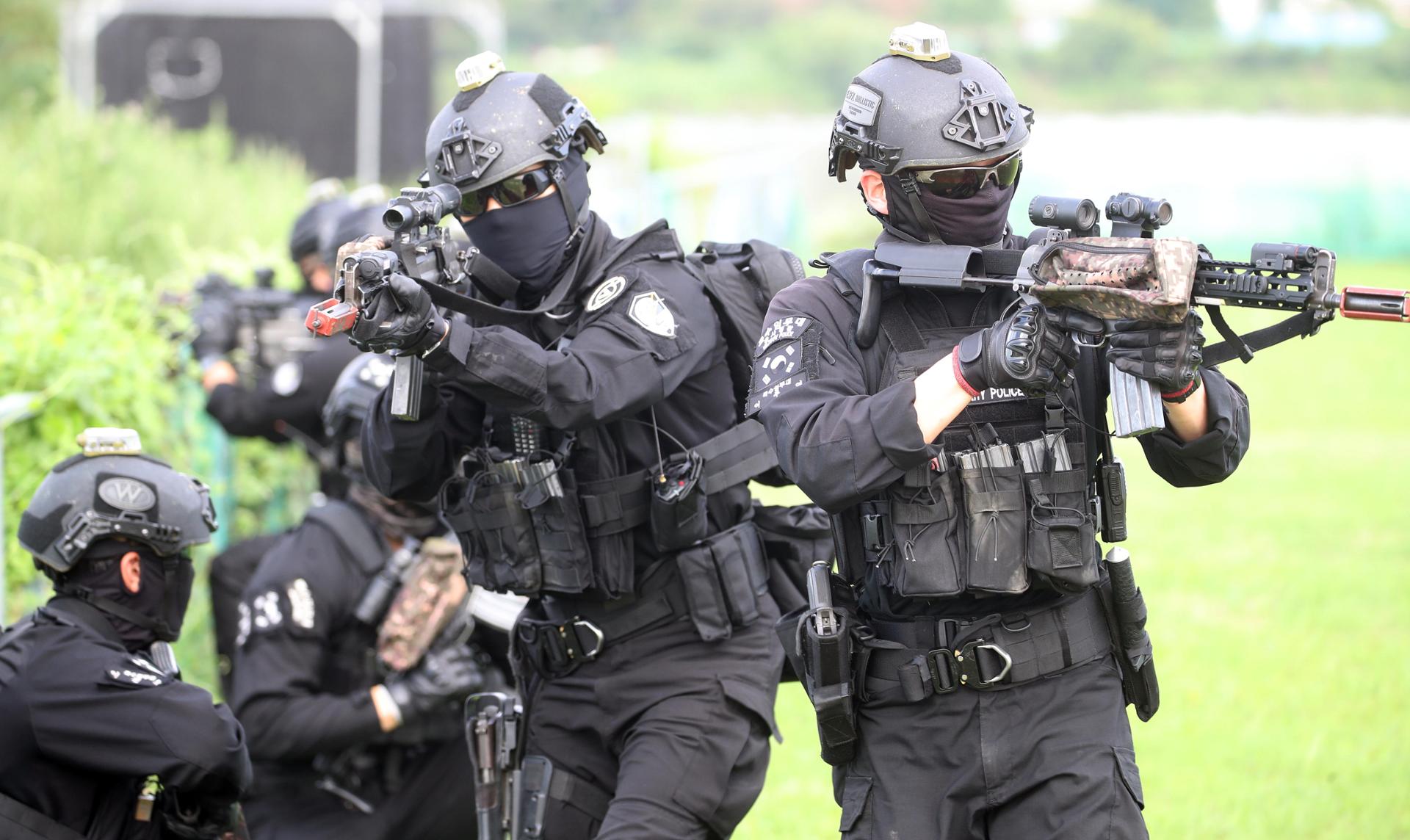
South Korea and the United States were set to conclude their key combined military exercise on Friday, nearly a week ahead of its original schedule, after U.S. President Donald Trump ordered a significant reduction in the drills in a move widely seen as a conciliatory gesture toward North Korean leader Kim Jong-un.
The Ulchi Freedom Shield (UFS) exercise, which included a field drill in Gumi, North Gyeongsang Province, has been shortened from 11 days to five following Trump's directive to scale back drills that he said could send an "inappropriate and hostile" message to Pyongyang. Trump also cited the cost burden of the exercises and his good relationship with Kim.
The UFS is one of the two major theater-level combined exercises the allies conduct annually to train for contingencies against North Korea. Centered on computer-simulated command post training, the exercise also incorporates major field maneuvers based on various wartime contingencies on the Korean Peninsula.
The allies had planned to stage 14 field maneuvers at the battalion level or above, but these drills were expected to be significantly reduced. Counterattack-oriented drills, typically held during the second week of the UFS, were canceled after the exercise was cut in half, leaving this year's drills focused mainly on defensive operations.
The allies had reportedly been discussing earlier whether to hold live drills separately or to have South Korea conduct them alone, with some field maneuvers potentially postponed. Seoul has appeared to favor adjusting the field exercise schedule rather than calling off the drills, as the field training is critical to its push for an expedited transfer of wartime operational control (OPCON) from Washington. The planned transfer is conditions-based, and allied assessments of whether South Korea's military is ready to lead combined forces in wartime have relied on exactly this kind of joint field training.
Trump's order to cut back the drills is widely seen as a strategic conciliatory gesture aimed at resuming talks with Kim. It also recalls his first term, when he suspended large-scale joint exercises following his 2018 Singapore summit with Kim, criticizing the "war games" as expensive and provocative, before the drills were partially restored as nuclear negotiations stalled. The current shift to diplomacy is also expected to give the U.S. president a chance to divert attention from stalled progress in the Iran conflict ahead of the upcoming midterm elections in the United States.
Speaking to reporters at the White House on Wednesday (U.S. time), Trump again extended an olive branch to the reclusive leader, saying he expects to meet with Kim later this year.
North Korea has shrugged off the reduction of the drills, stating that it has no interest in the decision and that the move does not change the aggressive nature of the exercise. Pyongyang has long denounced the annual joint exercises as rehearsals for invasion, while Seoul and Washington have consistently described them as defensive in nature.
The early wrap-up leaves open questions for the months ahead, including whether the postponed field maneuvers are rescheduled, how the reduced training bears on the OPCON transfer timeline, and whether the meeting Trump says he expects with Kim actually takes place.
Source: The Korea Times

