Trump Suspends Planned Strikes on Iran Citing Emerging Peace Deal
Key Takeaways
- •President Trump called off planned military strikes against Iran after the two nations reached a preliminary framework agreement, with the suspension contingent on swiftly finalizing a formal deal.
- •The proposed accord includes the immediate and complete reopening of the Strait of Hormuz, a critical energy chokepoint, and an end to Iran's nuclear threat.
- •Trump warned that US forces remain prepared to launch strikes on a scale not seen since World War II if negotiations collapse, and military action could resume as early as this weekend.
- •Saudi Arabia's Crown Prince Mohammed Bin Salman and White House political aides reportedly urged Trump to refrain from reigniting the conflict with Iran.
- •Oil prices have fluctuated sharply during the tensions, with Brent crude ranging from $80 to $100 per barrel, prompting the Bank of England to warn of possible interest rate increases if elevated prices persist.
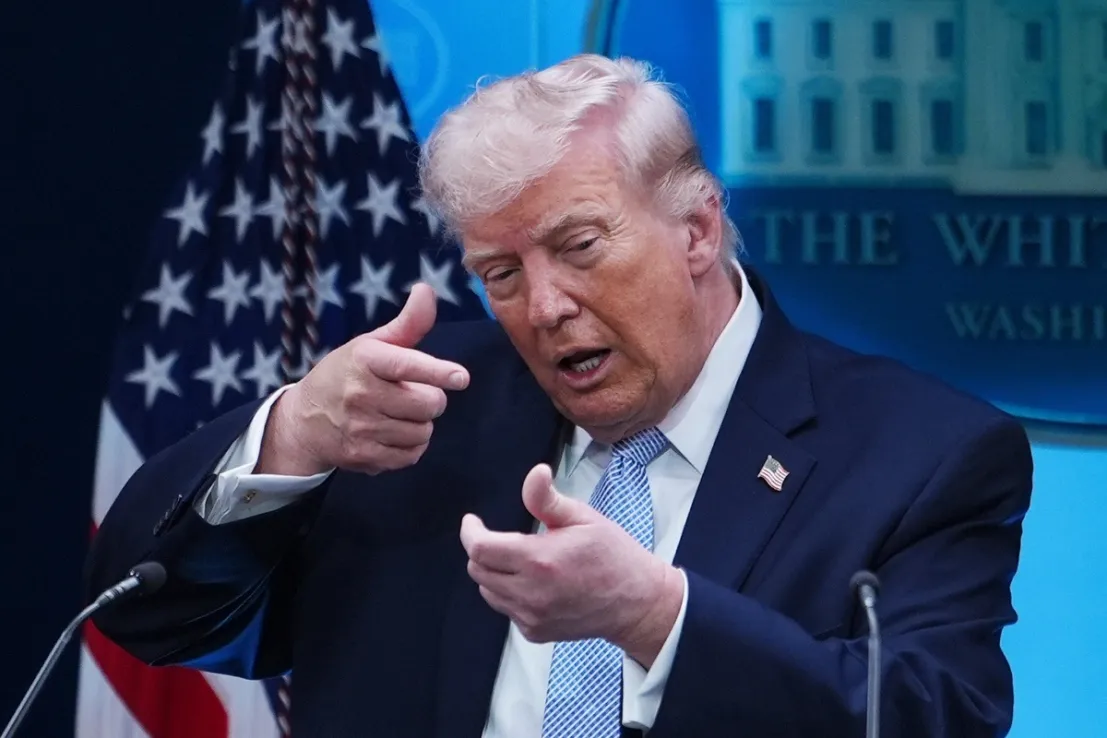
President Donald Trump announced that the United States has reached an agreement on the broad framework of a deal with Iran, leading him to call off planned military strikes in the Middle East.
In a post on Truth Social, Trump stated that Iran and other Middle Eastern nations had requested the US hold off on attacks because the outlines of a peace agreement had been settled. He indicated that the suspension was contingent on the swift finalization of a formal accord.
"We have just been asked by Iran, and other Middle Eastern Countries, to hold off any attack in that the perimeters of a deal has been agreed to," Trump wrote.
"This would include the Immediate, Complete, and Total OPENING OF THE HORMUZ STRAIT, and an end to Iran's nuclear threat."
The Strait of Hormuz is one of the world's most critical energy chokepoints, with roughly a fifth of global daily oil consumption transiting the narrow waterway. Any disruption there has historically sent shockwaves through energy markets and supply chains dependent on Gulf crude.
He added: "Based on this request, I have agreed, for the future benefit of the WORLD and, likewise, the survival of a successful and prosperous Iran, to cancel the attack, subject to being able to rapidly make a DEAL. The Country of Israel joins me in this commitment."
Despite the suspension, Trump emphasized that US forces remained "locked and loaded" and prepared to launch strikes at a magnitude "not seen since World War II" if negotiations falter.
The framework, if finalized, would mark a turning point after years of escalating tensions between Washington and Tehran, which intensified following the US withdrawal from the 2015 Joint Comprehensive Plan of Action and a subsequent cycle of sanctions, proxy confrontations, and direct military exchanges.
The Iranian leadership did not publicly respond to Trump's claims. Reports indicated that military action against Iran could resume as early as this weekend. Separately, US officials advised American citizens in ten countries to exercise heightened caution and consider leaving the region.
Pressure to De-escalate
CBS reported that White House political aides had opposed the resumption of strikes. According to Axios, Saudi Arabia's Prince Mohammed Bin Salman also urged Trump to refrain from reigniting the conflict with Iran.
The United States and Iran have traded strikes over recent weeks, at one point driving oil prices to $100 per barrel. Brent crude subsequently fell to approximately $80 per barrel last week before climbing back to around $87.
UK gas prices have returned to levels recorded near the outset of the conflict, creating potential risks for British inflation and interest rates. The Bank of England warned it would raise interest rates if oil prices remained elevated for an extended period, citing concerns that inflation could accelerate in the coming year.
Sanjay Raja of Deutsche Bank noted that the Bank of England would need to evaluate multiple price indicators, including food costs, energy markets, and activity levels across the manufacturing and services sectors, to fully assess the risks confronting the UK economy.

