Sen. Mike Lee weighs fate of 'blue slip' tradition as Trump presses Senate GOP to scrap it
Key Takeaways
- •The Senate 'blue slip' tradition allows individual senators, including those in the minority party, to block home-state nominations for district court judges, federal marshals, and U.S. attorneys.
- •Sen. Mike Lee is positioned to chair the Senate Judiciary Committee and thereby decide the blue slip's future if Republicans keep control of the Senate in the midterms.
- •Lee has said there is no appetite among Republicans to eliminate blue slips entirely, but he has left open the possibility of changing how the tradition is enforced.
- •President Trump has demanded that Senate Republicans scrap the blue slip, calling it an 'old and ridiculous custom,' and has clashed with current Judiciary Chair Chuck Grassley, who has repeatedly defended the practice.
- •Outgoing Sen. John Cornyn predicted that Lee, whom he described as a traditionalist, will honor the blue slip.
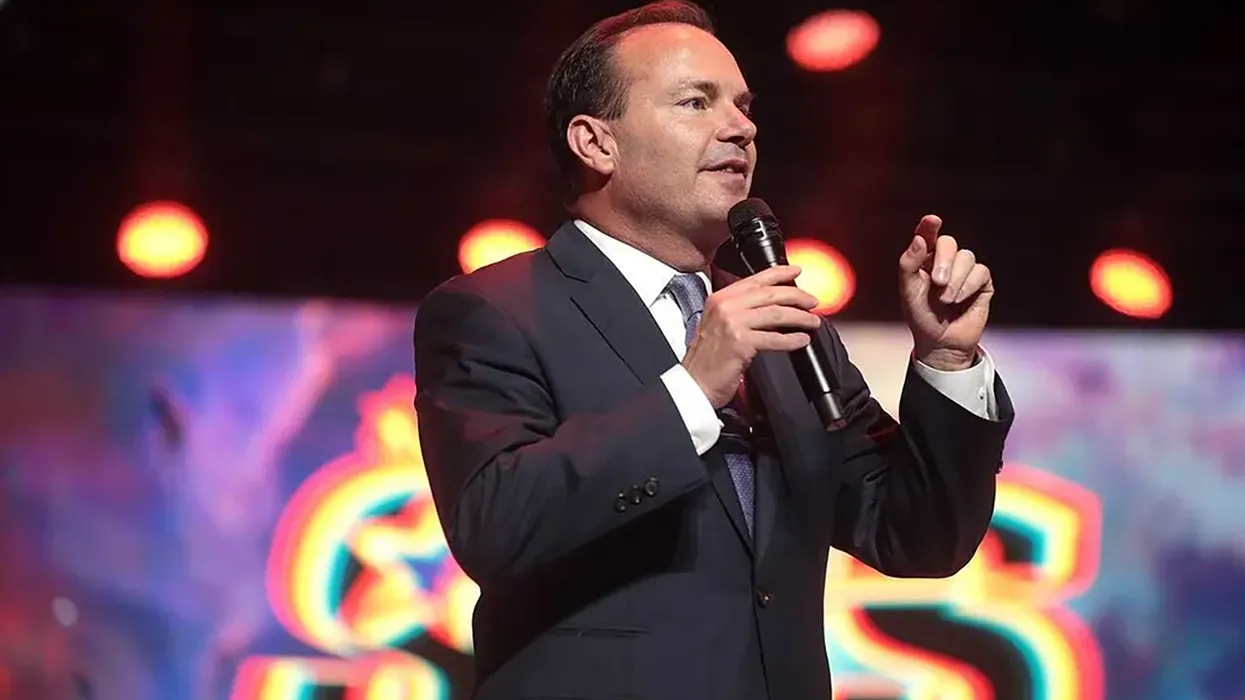
President Donald Trump has grown frustrated with a longstanding Senate practice that allows Democrats to block some of his picks for the federal judiciary, even as the GOP majority has confirmed many of his nominees over Democrats' unified opposition. According to Politico reporters Jordain Carney and Chris Marquette, Sen. Mike Lee (R-Utah) may be "in a position to do something about it."
"Utah Sen. Mike Lee is poised to chair the Judiciary Committee should Republicans manage to keep control of the Senate in the midterms," Carney and Marquette write in Politico. "That would give the MAGA stalwart the power to decide the fate of the 'blue slip,' which lets senators block any home-state district court judge, federal marshal or U.S. attorney nomination they oppose."
The stakes of that decision extend beyond judicial confirmations: the blue slip covers positions — district court judges, federal marshals and U.S. attorneys — that serve in senators' home states, and it hands individual senators, including those in the minority party, a checkpoint they would lose entirely under the president's preferred approach. Whoever decides the tradition's fate is effectively deciding how much leverage any senator retains over home-state nominations.
Any such move, however, "risks pitting Lee against his Senate GOP colleagues, many of whom support the status quo," the reporters note. Lee does not "expect to eliminate blue slips" outright but has "left the door open to changing how the tradition is enforced."
"There is no appetite to just get rid of them," Lee told Politico. "The blue slip itself has had a lot of evolution, and it's almost never static — though it doesn't mean that everything about the blue slip procedure will always be the same."
Trump, by contrast, "has a simpler view of the matter — demanding Senate Republicans completely ditch the blue slip, which he views as an intolerable fetter on his power to install federal judges," according to Carney and Marquette. That stance has put him at odds with Senate Judiciary Chair Chuck Grassley (R-Iowa) and others.
"Current Judiciary Chair Chuck Grassley (R-Iowa) has repeatedly fended off Trump's calls to end the practice, explaining that most of his fellow senators have no interest in giving up leverage in who gets home-state appointments," the reporters note. "Asked how the White House would want Lee to handle blue slips, a spokesperson pointed back to several of the president's comments over the past year, including an October 2025 Truth Social post where he called it an 'old and ridiculous custom.' Trump targeted Grassley directly last December, saying that it was 'shocking' that he would allow 'this scam to continue.'"
For now, the call rests with Grassley, who has shown no interest in surrendering that leverage; it passes to Lee only if Republicans hold the Senate in the midterms.
Outgoing Sen. John Cornyn (R-Texas), interviewed by Politico, said of Lee, "I think, you know, he's a traditionalist, and I think he'll honor the blue slip … Senators have few prerogatives and tools, and that's one of them."
How the standoff resolves therefore turns on two open questions: whether Republicans keep their majority and hand Lee the gavel, and whether he pursues changes to how the tradition is enforced rather than eliminating it — a middle path his own comments leave on the table.

