White House Issues New Executive Order Attempting to Narrow Birthright Citizenship After Supreme Court Defeat
Key Takeaways
- •President Trump issued a new executive order narrowing birthright citizenship approximately two months after the Supreme Court ruled his prior attempt unconstitutional in Trump v. Barbara.
- •The new order targets children born to parents engaged in commercial transactions for citizenship, birth tourism arrangements, or those designated as alien enemies under terrorist-related laws.
- •Chief Justice John Roberts wrote in the June ruling that children born on U.S. soil satisfy both requirements of the Fourteenth Amendment's Citizenship Clause and are citizens at birth.
- •Legal analysts observe that the executive order does not cite specific U.S. Code provisions or acts of Congress to justify its claimed exceptions to birthright citizenship.
- •Civil liberties groups and affected families are expected to file immediate legal challenges, likely bringing the dispute back to federal courts and potentially the Supreme Court.
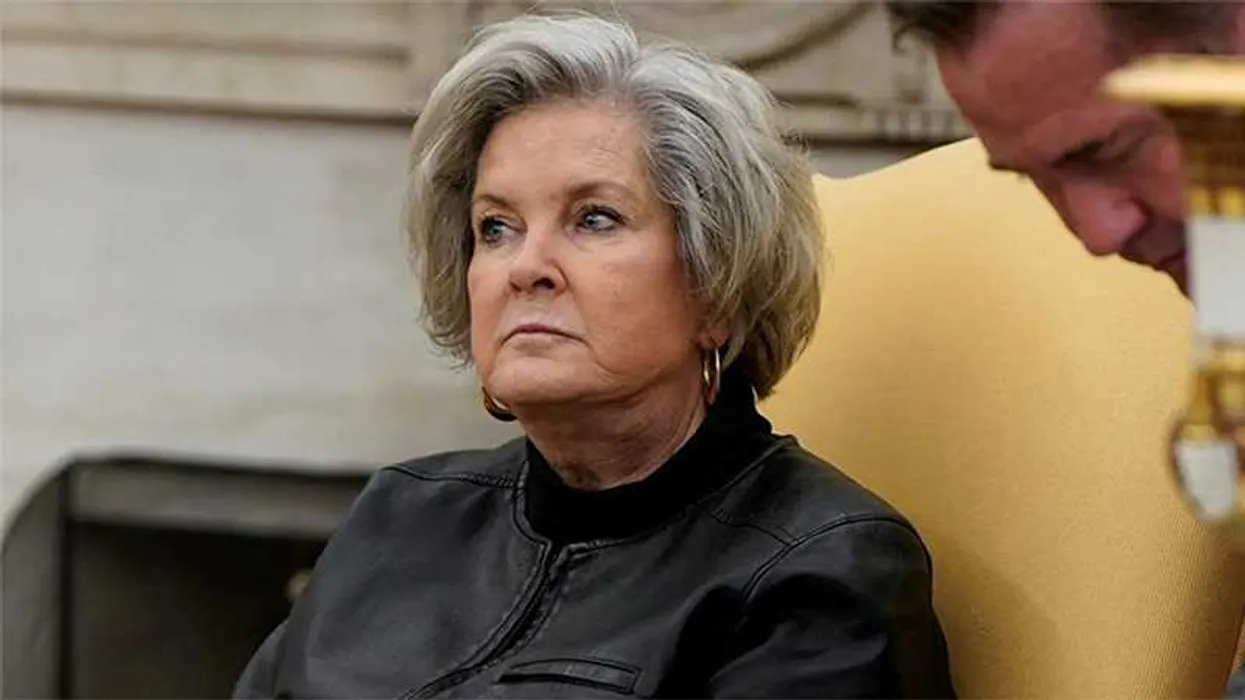
President Donald Trump has issued a new executive order seeking to narrow the scope of birthright citizenship, approximately two months after the Supreme Court struck down a previous attempt as unconstitutional. The move tests the boundaries of executive authority over a constitutional provision that has stood as settled law for more than a century, setting up what will likely be another high-stakes separation-of-powers showdown. According to The New Republic, the White House is pursuing the same objective through alternative means despite the high court's ruling.
New Republic writer Matt Ford reports: "Trump issued an executive order on Thursday that purported to narrow the scope of birthright citizenship, two months after suffering a major defeat on the subject at the high court." The order's text claims it targets "certain categories of children of aliens who do not fall within the rule of birthright citizenship as announced by the Supreme Court" in Trump v. Barbara, decided in June.
In that case, a majority of the conservative-leaning court upheld the Fourteenth Amendment's Citizenship Clause, which states that "all persons born or naturalized in the United States, and subject to the jurisdiction thereof, are citizens of the United States." Ratified in 1868, the clause has been understood for decades to guarantee citizenship to virtually all persons born on U.S. soil. Trump's earlier January executive order had sought to deny citizenship to children born on U.S. soil to temporary visa holders and undocumented immigrants. The Supreme Court struck it down as unconstitutional.
Chief Justice John Roberts, writing for the Court, stated that the affected children "satisfy both elements of the Citizenship Clause: they are 'born … in the United States' and 'subject to the jurisdiction thereof.'" He concluded: "Under the Constitution, they are citizens at birth."
Despite this ruling, the new executive order asserts newly identified exceptions to the Citizenship Clause. "This order identifies, non-exhaustively, and prescribes action concerning certain categories of children of aliens who do not fall within the rule of birthright citizenship as announced by the Supreme Court," the order states.
Ford noted that "there is no evidence that Roberts and the majority intended for the executive branch to identify new exceptions, and plenty of reasons to believe that they intended to foreclose them."
Drawing a comparison to collateralized debt obligations (CDOs) before the 2008 financial crisis, Ford wrote: "Banks would gather large numbers of risky subprime mortgage bonds and repackage them into CDOs before selling them to other banks. Credit ratings companies would give CDOs high marks because the bonds were considered less risky in the aggregate than on an individual basis. This was more or less true until it very suddenly and dramatically wasn't."
Ford likened the administration's approach to a chef making "fish stew" with a mixture of day-old fish and fresher ingredients to mislead the customer. "Trump's latest executive orders work along the same lines," he said.
The new order excludes from citizenship children born in the U.S. with at least one parent "engaged in a commercial transaction to purchase or access birthright citizenship for [child], or engaged in fraudulent activity to obtain citizenship." It also targets commercial transactions involving a surrogate present in the United States.
The Trump administration stated the order aims to address "birth tourism," but it also targets children "born to parents who are an 'alien enemy,' which the order defined to include any member of a designated Foreign Terrorist Organization … or Specially Designated Global Terrorist."
Ford argued: "Describing someone as a terrorist does not supersede the Constitution, and depriving U.S. citizenship to otherwise eligible children based on their parents' alleged or proven crimes would be manifestly unconstitutional and morally reprehensible."
Additionally, Ford observed that the executive order cites no actual legal authority to justify its actions. The text does not reference the U.S. Code or any acts of Congress beyond the terrorist-designation law, which does not address citizenship.
The order is expected to face immediate legal challenges from civil liberties groups and affected families, potentially returning the issue to the federal courts—and ultimately the Supreme Court—within months.
"If the Trump administration wants to serve a day-old fish stew to the justices, it shouldn't be surprised when they spit it out," Ford concluded.

