Wealth Concentration and Media Consolidation: How Policy Shifts Reshaped American Political Power
Key Takeaways
- •The top 1% of Americans hold approximately $55 trillion in wealth, equal to the combined holdings of the bottom 90%, marking the highest concentration since the Federal Reserve began tracking the data.
- •The 1987 repeal of the Fairness Doctrine allowed broadcasters to present单一 ideological perspectives without requiring opposing viewpoints, contributing to the rise of opinion-driven media formats.
- •The 2010 Citizens United Supreme Court decision enabled Super PACs and dark money groups to raise and spend unlimited sums on elections, significantly increasing outside spending in federal races.
- •Elon Musk spent $250 million on the 2024 election and pledged an additional $120 million for Republican voter turnout after SpaceX secured a $1.6 billion federal contract, prompting a Wisconsin Elections Commission finding of probable cause for an election bribery violation.
- •Forbes reported that Trump's 2025 revenue of $2.4 billion was triple his earnings while out of office, with income attributed to cryptocurrency ventures, foreign dealings, and legal settlements.
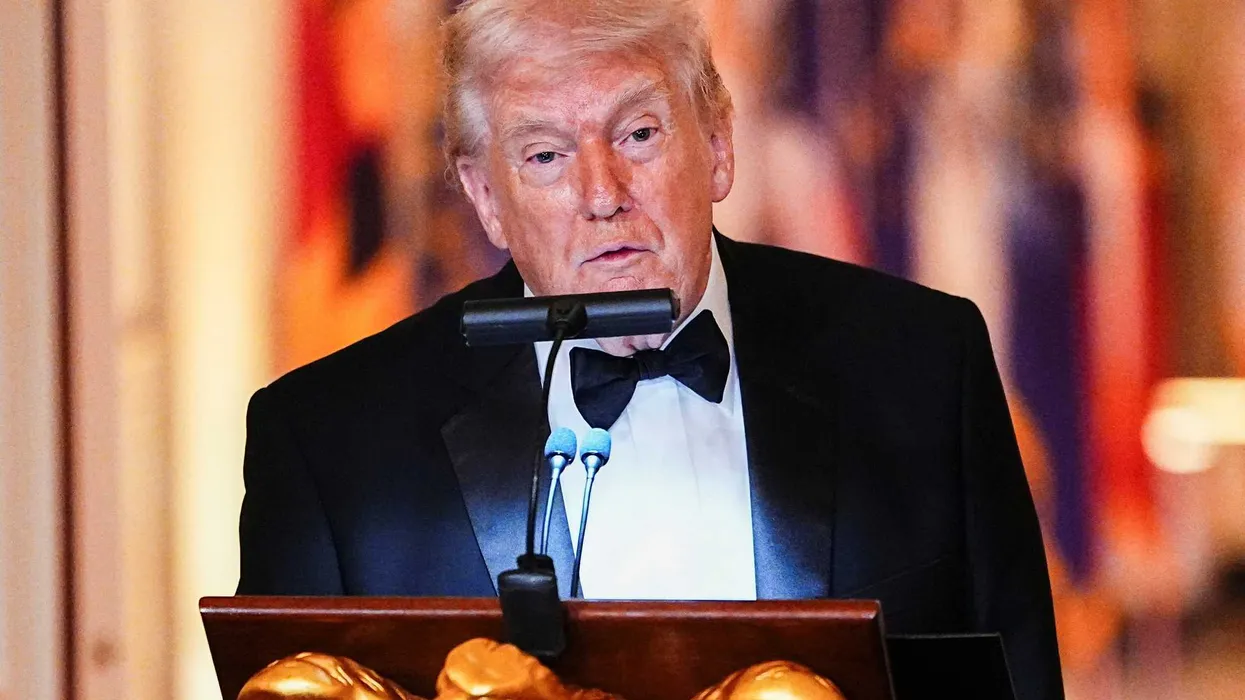
According to the Federal Reserve, the share of U.S. wealth held by the top 1% recently reached a record high — the highest level since tracking began. The top 1% now holds approximately $55 trillion in wealth, roughly equal to the combined holdings of the entire bottom 90% of Americans (Federal Reserve, CBS News, Bloomberg). Today's wealthiest individuals enjoy unprecedented fortunes (Forbes) and exercise significant control over both traditional and online media outlets to maintain their position.
Across the country, television, print, and major digital platforms are now controlled by a small number of predominantly right-leaning, ultra-wealthy individuals and corporations — including figures such as Rupert Murdoch and Elon Musk — who use those media properties to shape national narratives aligned with their interests (Free Press). Billionaires and large corporations leverage their wealth to lobby for tax breaks, subsidies, write-offs, loopholes, deregulation, and weakened labor, environmental, and banking laws — advancing their own prosperity at the expense of the broader population.
Economists describe the current era as a second Gilded Age, in which industry leaders wield outsized influence over labor, the environment, and the rule of law (Harvard Kennedy School, Baylor University — drawing parallels to the late nineteenth century, when industrial titans like Carnegie and Rockefeller accumulated unprecedented fortunes amid minimal regulation of monopolies, labor conditions, and campaign influence. The gradual transfer of political power from the working electorate to wealthy elites began decades ago through a series of legal and regulatory changes rather than a single dramatic event.
How Two Policy Shifts Reshaped the Landscape
Democracy has historically depended on access to a truthful public square — where political power flows from informed votes rather than wealth. According to the author, this foundation eroded under two pivotal developments: the 1987 repeal of the Fairness Doctrine and the 2010 Supreme Court ruling in Citizens United v. FEC.
The Fairness Doctrine, in effect from 1949 through 1987, required broadcasters to present truthful news coverage and, when offering opinions, to provide opposing viewpoints. At the time, broadcast television and radio were the primary sources of national news for most Americans, meaning the doctrine governed the dominant information channels of the era. After its repeal under the Reagan administration, broadcasters were free to adopt a single ideological orientation and promote it for profit. The author argues that this shift contributed to building audiences around opinion, grievance, and outrage rather than verified facts (PubMed Central — a change that coincided with the rapid growth of ideologically oriented cable news and talk radio formats in the years that followed.
The 2010 Citizens United ruling (Cornell Law Institute, FEC) struck down key provisions of the 2002 Bipartisan Campaign Reform Act (McCain-Feingold), allowing Super PACs to raise and spend unlimited sums on elections, while dark money nonprofits — not required to disclose their donors — expanded in scope. In the election cycles since the ruling, outside spending has grown substantially, with Super PACs reporting billions in total expenditures across federal races (OpenSecrets). As a result, private wealth began directly influencing electoral outcomes, converting elite economic power into political power.
Musk's Political Spending and Federal Contracts
Elon Musk alone spent $250 million on the 2024 election (Public Citizen). Following SpaceX's securing of a $1.6 billion federal contract, Musk committed an additional $120 million to boost Republican voter turnout in the upcoming midterms. The Wisconsin Elections Commission found probable cause that Musk violated state election bribery law.
Excessive spending by wealthy political donors who conduct business with the federal government reinforces anti-tax and anti-regulatory environments that further increase their wealth, the author argues. This gives Republicans what she characterizes as a legally dubious political advantage through megadonor, CEO, and dark money contributions, providing a substantial financial edge heading into the midterms (Issue One.
The Interaction of Deregulated Media and Campaign Finance
The author contends that the breakdown of the democratic system stems from the interaction between Citizens United and unregulated news media — not merely their individual effects. A media environment unmoored from accuracy requirements created infrastructure through cable networks, talk radio, and digital platforms where political messaging could be aired without competing viewpoints or factual challenges. Campaign finance deregulation then amplified that messaging at scale, enabling the nation's wealthiest to disseminate narratives consistent with those on conservative outlets.
The author points to the NAACP Legal Defense Fund's analysis of cuts to food assistance, health care, education programs (ProLiteracy, National Guard member story), and student loan services, alongside what she characterizes as eroded social safety nets (NoTuS) and massive tax breaks for the ultra-rich.
Trump's Financial Dealings
The author writes that Trump, who sued the IRS after a contractor leaked that he paid only $750 in federal taxes the year before he first ran for president — and paid zero in federal taxes for ten years prior (New York Times) — has turned the presidency into a mechanism for personal enrichment. The Trump family has reportedly earned billions through foreign government bookings at Trump hotels, overseas real estate ventures, and digital asset banking (NPR, Skadden, PBS NewsHour.
According to the author, Trump collected $2.4 billion in 2025 alone from what she describes as illicit cryptocurrency ventures, illegal foreign "gifts," and collusive taxpayer-funded settlements of what she calls bogus legal cases (House Democrats Litigation Task Force). Forbes reported that Trump's revenue in 2025 was triple what he earned privately while out of office. The author also alleges he is selling early access to his social media posts (BBC.
Path Forward
The author attributes the current political landscape to decades of groundwork by Republicans and conservative think tanks such as the Heritage Foundation (BBC), which played a central role in developing the policy blueprint known as Project 2025 for a potential second Trump term. She argues that addressing the second Gilded Age requires restoring accuracy requirements in news media and reversing Citizens United to remove the influence of large-scale money from politics — reforms that would each require congressional action or a constitutional amendment, respectively.
Sabrina Haake is a political analyst and 25+ year federal trial attorney specializing in First and Fourteenth Amendment defense. She writes the free Substack, The Haake Take.

