Trump's Tariff-Free Ground Beef Import Plan Draws Rebuke From Cattle Ranchers
Key Takeaways
- •President Trump announced on Truth Social that up to 300,000 metric tons of ground beef would be imported into the United States tariff-free, with a stated commitment to sell it 25 percent below current market prices.
- •The National Cattlemen's Beef Association condemned the plan, arguing that flooding the market with government-subsidized, below-market beef would not help rebuild the American cattle herd.
- •NCBA chief Colin Woodall warned that the announcement comes during a critical season for herd decisions and could artificially crash cattle prices, forcing farmers and ranchers to scale back operations.
- •U.S. Department of Agriculture inventory counts show the national cattle herd at its smallest size since the early 1950s, after years of drought, elevated input costs, and other challenges.
- •Beef prices have risen sharply over the past two years and significantly outpaced inflation, and ground beef is among the most widely consumed beef products in the United States.
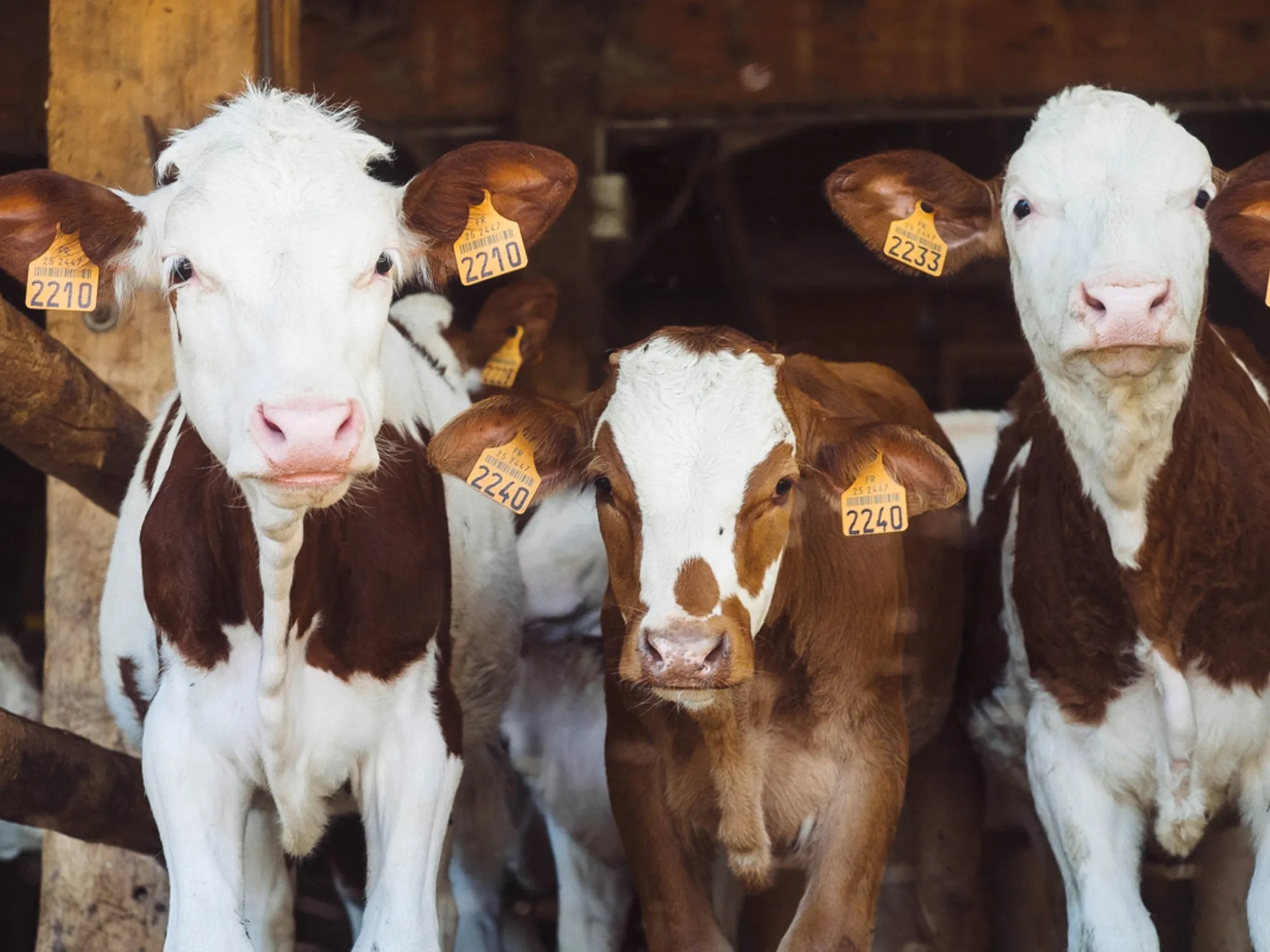
President Donald Trump's latest beef import order has drawn an angry response from the trade group that oversees the American cattle industry, which warned the move could artificially crash cattle prices and undercut efforts to rebuild the U.S. herd.
The president announced what he called the "Great American Beef plan" in a post on his social media platform, Truth Social, on Friday morning. Under the plan, up to 300,000 metric tons of ground beef would be imported into the United States free of tariffs. "We have a commitment that this beef will be sold at 25 percent below current market prices," Trump wrote.
The announcement was swiftly condemned by the National Cattlemen's Beef Association (NCBA), the trade association that represents American cattle producers. In a statement, NCBA chief Colin Woodall criticized the President's declaration.
"NCBA is disappointed by the President's statement," Woodall wrote. "While America's cattle producers share the goal of keeping groceries affordable for consumers, flooding the market with government-subsidized, below-market beef is not the way to rebuild the American cattle herd."
Woodall noted that August "is a critical time of year for cattle producers, as we approach the season where they are making decisions regarding their herds," and warned that flooding the market could crash prices artificially and force farmers and ranchers to scale back operations.
"Cattle farmers and ranchers are responding to strong market signals and historically high demand, and we are already working to rebuild after years of ongoing drought, high input costs and other challenges that have reduced U.S. cattle numbers," Woodall wrote. "Today's announcement and other market interventions throw cold water on the prospect of herd expansion and sacrifices long-term stability for short term messaging."
The industry's alarm reflects the slow arithmetic of beef production. Because heifers retained for breeding rather than slaughter generally take roughly two years before producing their first calf, decisions ranchers make today do not translate into additional beef supply for years — which is why producers weigh expansion choices carefully in seasons like the one Woodall described.
The dispute unfolds against a backdrop of sharply rising beef costs for consumers. Beef prices have risen dramatically in the last two years, significantly outpacing inflation, while the pressures Woodall cited — prolonged drought, elevated input costs and other challenges — have reduced U.S. cattle numbers and tightened domestic beef supplies. U.S. Department of Agriculture inventory counts in recent years have placed the national herd at its smallest size since the early 1950s, and ground beef — the product named in the plan — is among the most widely consumed beef items in the United States.
Source: Raw Story
