Judge Orders Trump to Surrender Financial Records in $10 Billion BBC Lawsuit
Key Takeaways
- •A judge ordered Trump to begin surrendering financial records from the Donald J. Trump Revocable Trust within ten days as part of the discovery process in his $10 billion lawsuit against the BBC.
- •The BBC subpoenaed records covering approximately 400 entities, arguing that Trump's own claims of economic damage made those financial documents relevant.
- •Trump's legal team sought to quash the subpoena by arguing the case had narrowed to reputational harm, but the judge ruled that reputational and economic damages remain at issue.
- •Trump alleged that the BBC's editing of his January 6, 2021 speech caused massive economic injury to his brand, properties, and businesses, which created the legal basis for financial discovery.
- •The lawsuit is part of a broader legal strategy by Trump against major media organizations, including pending cases against CBS and other outlets.
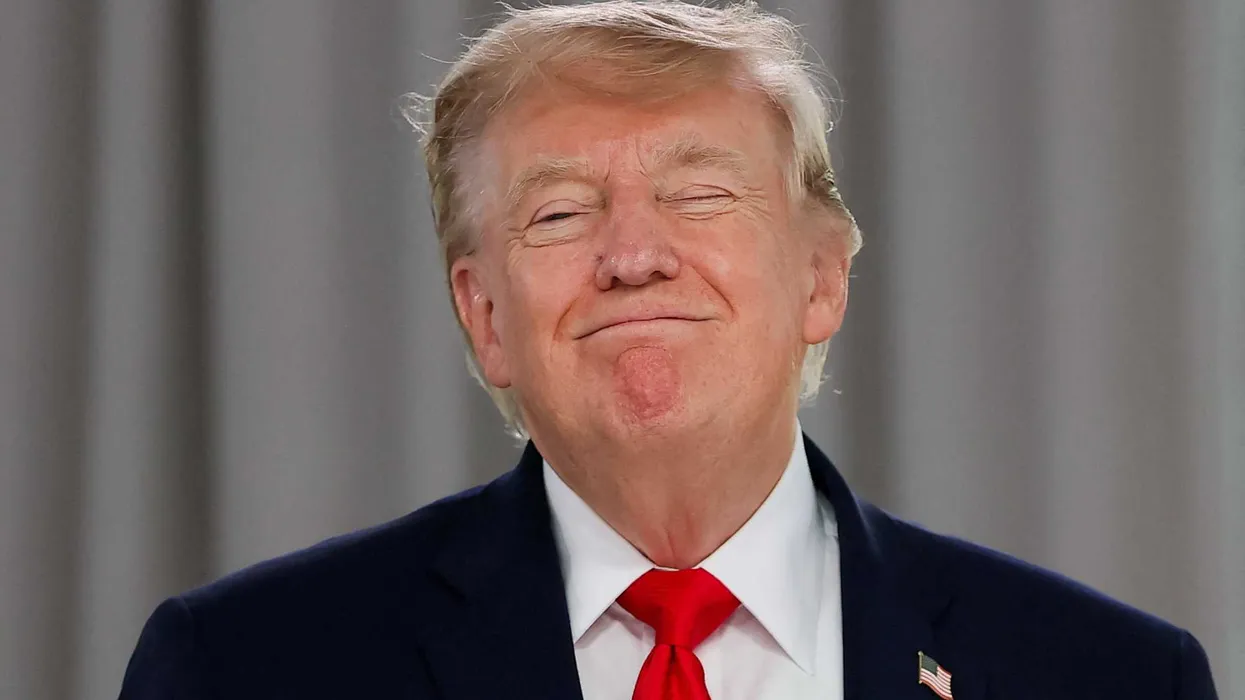
President Donald Trump's $10 billion lawsuit against the BBC has set in motion a legal process that may compel the disclosure of financial records he has long sought to keep private, according to legal analyst Jay Kuo, an attorney with experience arguing before the Supreme Court and the 9th Circuit Court of Appeals.
A judge presiding over Trump's lawsuit ordered on Monday that Trump begin surrendering financial records for his business empire as part of the discovery process. According to Kuo's analysis, the order stems directly from the claims Trump made when he filed the suit. Trump alleged that the BBC's editing of his January 6, 2021 speech damaged not only his reputation but also the value of his brand, properties, and businesses.
The suit is part of a broader wave of litigation Trump has filed against major media organizations, including pending actions against CBS and other outlets, signaling an aggressive legal strategy toward press coverage he deems unfavorable.
"The order is a direct consequence of a choice Trump made when he filed the suit," Kuo wrote. "He claimed the BBC's editing of his speech on Jan. 6, 2021, had damaged not just his reputation but the value of his brand, properties and businesses. That's a self-own of no small consequence because it opened the door to the disclosure of financial records that his lawyers are now scrambling to avoid."
The judge's order followed a subpoena issued by the BBC targeting the Donald J. Trump Revocable Trust, which owns nearly all of Trump's businesses and properties and was established when Trump assumed the presidency in 2017. The subpoena sought financial records related to approximately 400 entities, with the BBC arguing that Trump's own lawsuit made those records relevant to discovery.
Trump's attorneys moved to quash the subpoena, arguing that the case had "evolved" to focus solely on reputational harm and no longer involved Trump's businesses. The judge rejected that argument, ruling: "Reputational, economic damages, all of that is now at issue in this case."
Under the order, Trump was given 10 days to begin producing records including trust instruments, schedules of assets, inventories, lists of properties, and documents reflecting the trust's holdings and value.
Kuo noted that the judge found the trust's records "relevant and material to any damages analysis" given their relationship to Trump's alleged damages. Under ordinary civil procedure, plaintiffs who claim specific financial injury open their finances to discovery so that the opposing party can test those claims.
Trump's complaint alleged the BBC documentary caused "massive economic damage to his brand value" and injury to "the value of his brand, properties, and businesses." Having pleaded billions in business damages, Trump's legal team could not then deny the BBC the right to examine the businesses themselves, Kuo observed.
"We all know that it wouldn't, and that Trump would never willingly give the press a clear look into those finances," Kuo concluded. "Trump walked into a trap of his own making."
Source: Jay Kuo's analysis

