CNN Data Analyst: Trump Approval 'Stuck in the Mud' 21 Points Underwater Ahead of Midterms
Key Takeaways
- •The Strength in Numbers/Verasight poll found 37 percent approval and 60 percent disapproval for Trump's job performance.
- •Trump's net approval on prices and inflation hit a record −48, with only 24 percent approving of his handling of costs.
- •CNN analyst Harry Enten said Trump's approval has been down 18 to 20 points and historical patterns suggest it is unlikely to shift before the midterms.
- •Democrats lead the generic congressional ballot 49–43 and are trusted more on eight of 12 issues, while prediction markets show a 46 percent chance of a Democratic sweep.
- •Democrats need a net gain of four Senate seats, with competitive races in Alaska, Iowa, Maine, North Carolina, Ohio and Texas, and key defensive holds in Michigan and Georgia.
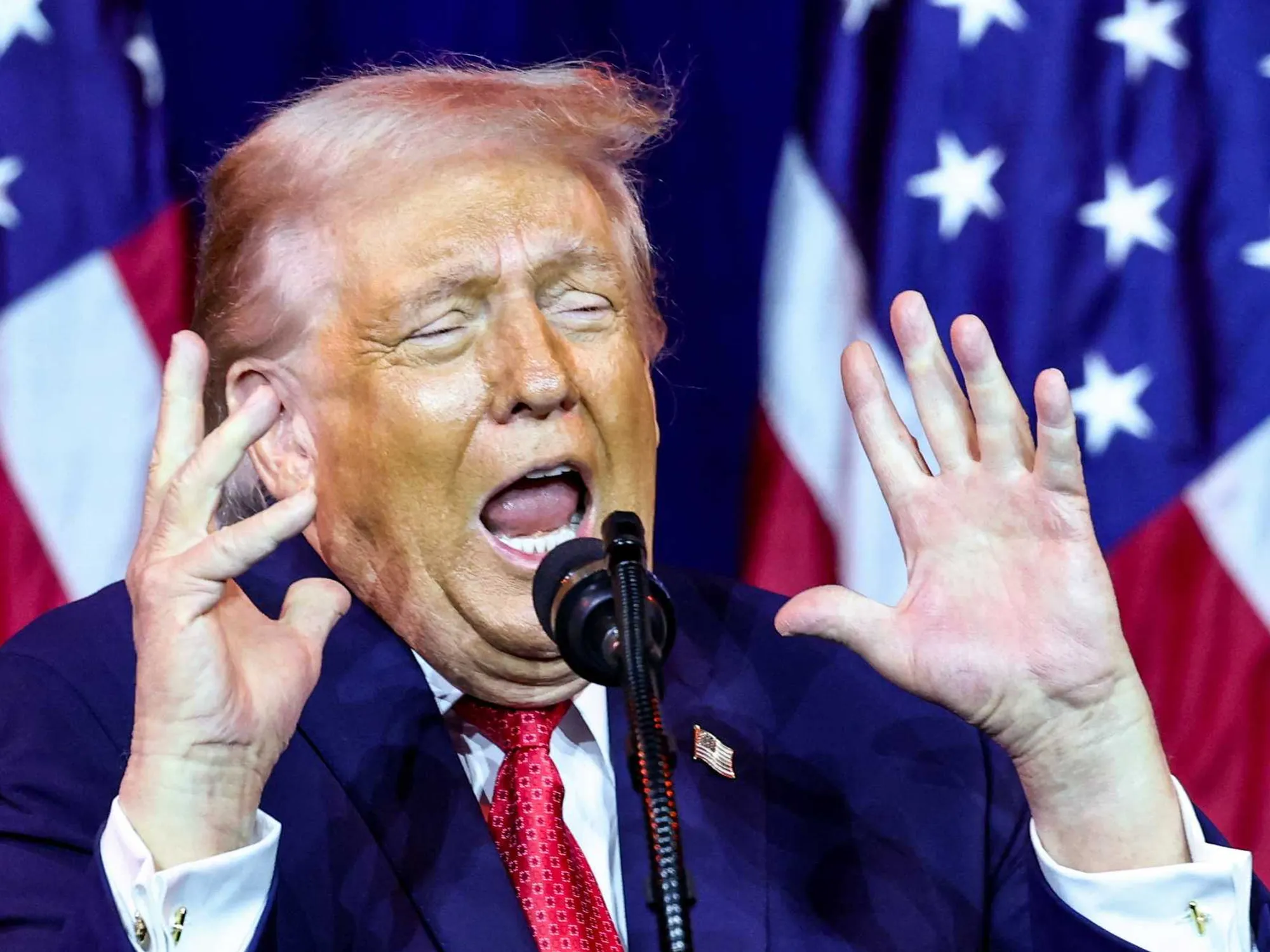
With the end of August approaching, polls show President Donald Trump is 21 points underwater on approval.
CNN data analyst Harry Enten walked through where Trump has stood with Americans since May during a Friday appearance on the network. According to Enten, Trump's ratings are so poor that he is "stuck" in the basement.
"How low does he go?!" Enten opened the segment. "Well, this is a president who is stuck on empty. Stuck on neutral. Whatever kind of gas analogy you want to make."
Prediction markets currently show a 46 percent likelihood of a Democratic sweep in November.
"The president's approval rating, simply put, is low. His net approval rating is low. It is staying low, and there is no sign he's getting out of the basement. He's stuck on the ground," said Enten.
CNN host John Berman noted that it is only the end of August, suggesting that "surely" there must be some way for Trump to come back from such poor numbers. He compared the situation to former President George W. Bush, who lost his sizable majority after the September 11 attacks.
"Surely, you can't be serious!" Enten shot back. "He is stuck in the mud, and there's no reason for me to believe he will get himself out of the mud."
Enten explained that, on average over the past 20 years, midterm polling for the sitting president has not shifted much at this stage. With less than 70 days before the election, he said it is clear Trump is "stuck," as his approval has been down anywhere from 18 to 20 points, and Enten said he simply does not see it going anywhere. That historical pattern matters because deeply unpopular presidents have often seen their parties suffer at the midterms — George W. Bush's Republicans lost both chambers in 2006, and Barack Obama's Democrats lost more than 60 House seats in 2010 amid similarly weak approval.
The new "Strength in Numbers/Verasight" poll published Thursday found that only 37 percent of Americans approve of Trump's job performance, while 60 percent disapprove.
Trump's weakest rating is on prices and inflation, where his net approval fell to a record −48; only 24 percent approve of his handling of costs. Border security, formerly his strongest issue, has now also slipped to −5. Democrats lead the generic congressional ballot 49–43 and are trusted more on eight of 12 issues, including prices, jobs, health care and education. The White House disputed the poll's implications, citing its economic record.
The most significant impact may come through turnout: poor presidential approval can energize opposition voters, discourage voters from the president's party, and make independents more willing to vote Democratic. It will certainly make the November 3rd election difficult for Republicans.
Democrats need a net gain of four seats to control the Senate chamber and must also defend vulnerable seats of their own. Key competitive contests include Alaska, Iowa, Maine, North Carolina, Ohio and Texas, while Michigan and Georgia remain crucial Democratic holds. How those races break — particularly in states where Trump remains more popular than his national numbers — will be a key indicator of whether his approval drag extends across the map.

