Trump Defends Texas GOP Convention as Approval Numbers Slide in South Texas
Key Takeaways
- •Trump defended the September GOP convention in Dallas as a success, claiming it drew 107 million views and pointing to his three presidential wins in Texas.
- •Audio obtained by The New York Times recorded Ken Paxton saying the convention lowered Republican candidates' poll numbers, though his campaign disputes the report and cites internal polling showing a three-point lead over James Talarico.
- •A DCCC official said Trump's job approval has fallen to 36 percent in the 15th Congressional District, 35 percent in the 34th, and 28 percent in the 28th, where 60 percent disapprove.
- •Trump carried the 15th District by nearly 18 points and the 34th by about 10 points in 2024, making the current approval figures a striking reversal in border-region districts now considered prime House battlegrounds.
- •A House Majority PAC survey shows Democrat Bobby Pulido leading Republican Rep. Monica De La Cruz 54 percent to 41 percent in the 15th District, with voters reportedly focused on everyday costs such as groceries, gasoline, health care and beef.
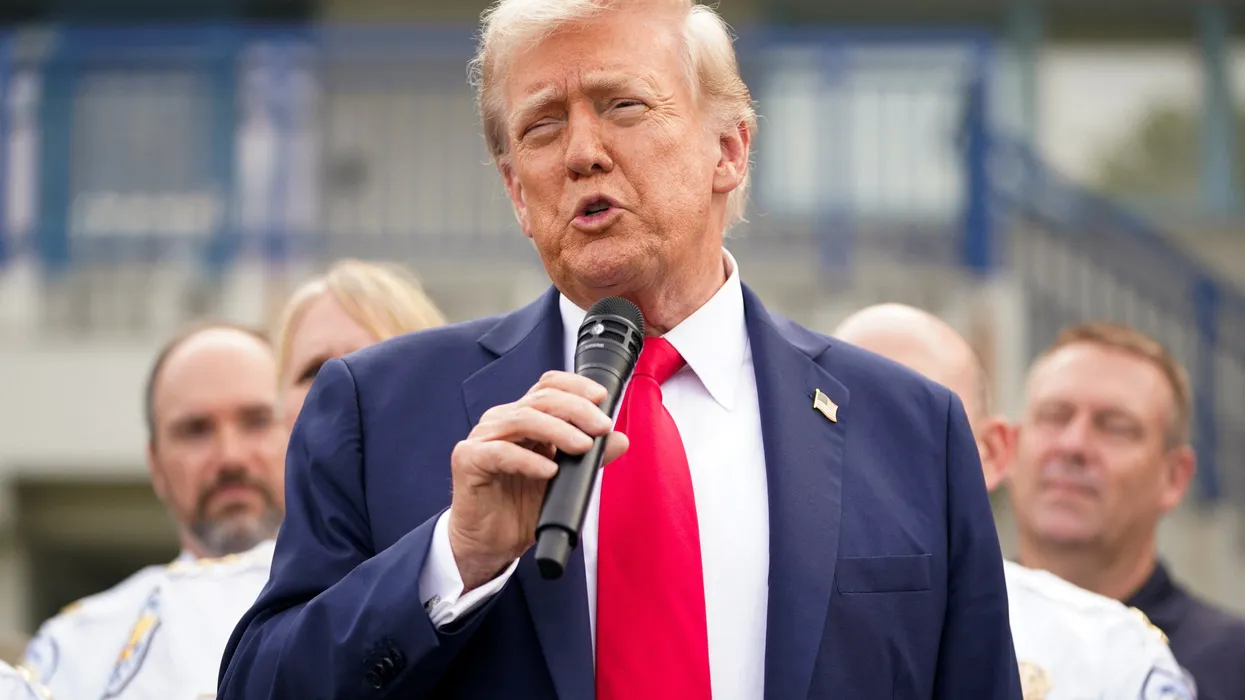
President Donald Trump delivered a lengthy defense of the Republican Party’s Texas midterm convention on Thursday, boasting about its audience and reminding reporters of his successful presidential campaigns in the state. But his remarks also pointed back to a far less comfortable reality for Republicans: in parts of South Texas where Trump made major gains in 2024, his numbers now appear to be sinking.
Trump was responding to a question about Republican Senate nominee Ken Paxton, the Texas attorney general, who was reportedly caught on tape complaining that the September GOP convention in Dallas had damaged Republican candidates.
“That convention was a tremendous success,” Trump said, claiming it drew 107 million views, before adding, “I won Texas all three times.”
In audio obtained by The New York Times, Paxton said the convention “dropped our numbers” and that “everybody’s numbers dropped.” His campaign has disputed the report and released its own internal polling showing him leading Democrat James Talarico by three points — a dispute that, for now, pits each side’s private surveys against the other.
The more striking figures, however, are emerging from South Texas. Madison Andrus, an official with the Democratic Congressional Campaign Committee — the House Democrats’ official campaign arm — told The New Republic’s Greg Sargent that Trump’s job approval stood at just 36 percent in Texas’ 15th Congressional District and 35 percent in the 34th District. In the 28th District, Andrus said, Trump’s approval had fallen to 28 percent, while 60 percent disapproved.
“Just 28 percent of people approve of the job he is doing right now, with 60 percent disapproving. It’s just truly abysmal numbers for House Republicans to try to overcome,” Andrus said, adding that South Texans are struggling with the cost of living — in contrast to claims made by Tano Tijerina, who is challenging Rep. Henry Cuellar his congressional seat.
The figures stand out because Trump performed strongly across the region in 2024. Sargent noted that Trump carried the 15th District by nearly 18 points and the 34th by about 10 points — margins that were part of a broader Republican improvement in South Texas, where Democrats once dominated federal races. That realignment has turned the border region into some of the most closely watched House territory in the country.
A separate survey from House Majority PAC, a Democratic outside group that focuses on House races, showed Democrat Bobby Pulido leading Republican Rep. Monica De La Cruz 54 percent to 41 percent in the 15th District. Andrus said voters she is hearing from are focused heavily on everyday costs, including groceries, gasoline, health care and beef.
That part of Trump’s response may matter most. The competing numbers — party committee and allied outside-group surveys on the Democratic side, internal campaign polling on the Republican side — are a fixture of midterm campaigns, and independent public polling in these districts would offer a check on all of them. While the president continues to point to past wins, convention crowds and online viewership, Republican candidates in South Texas face a different question: whether the voters who shifted toward Trump two years ago are still willing to stay with the GOP.

