Trump Advisers Reportedly Skeptical of Plan to Renew Strikes on Iran After Midterms
Key Takeaways
- •U.S. and Israeli militaries have developed specific plans for renewed strikes against Iran after the Nov. 3 midterm elections, with targets likely including Iran's energy infrastructure, nuclear facilities, and missile and drone arsenal.
- •Defense Secretary Pete Hegseth reportedly made a secret trip to plot with Israeli Prime Minister Benjamin Netanyahu, who faces his own election next month.
- •Several senior Trump advisers and officials are skeptical that a renewed campaign would force significant Iranian concessions and worry it would worsen the U.S. and global economies.
- •Mohsen Rezaei, secretary of Iran's supreme national security council, said Iran would strike oil facilities, undersea cables, data centers, and AI facilities across as many as seven Gulf countries in the event of a fresh U.S.-Israeli attack.
- •U.S. Ambassador to the United Nations Mike Waltz told the Financial Times the war could last another year, while Trump has said he will not stop the conflict before the election despite its unpopularity.
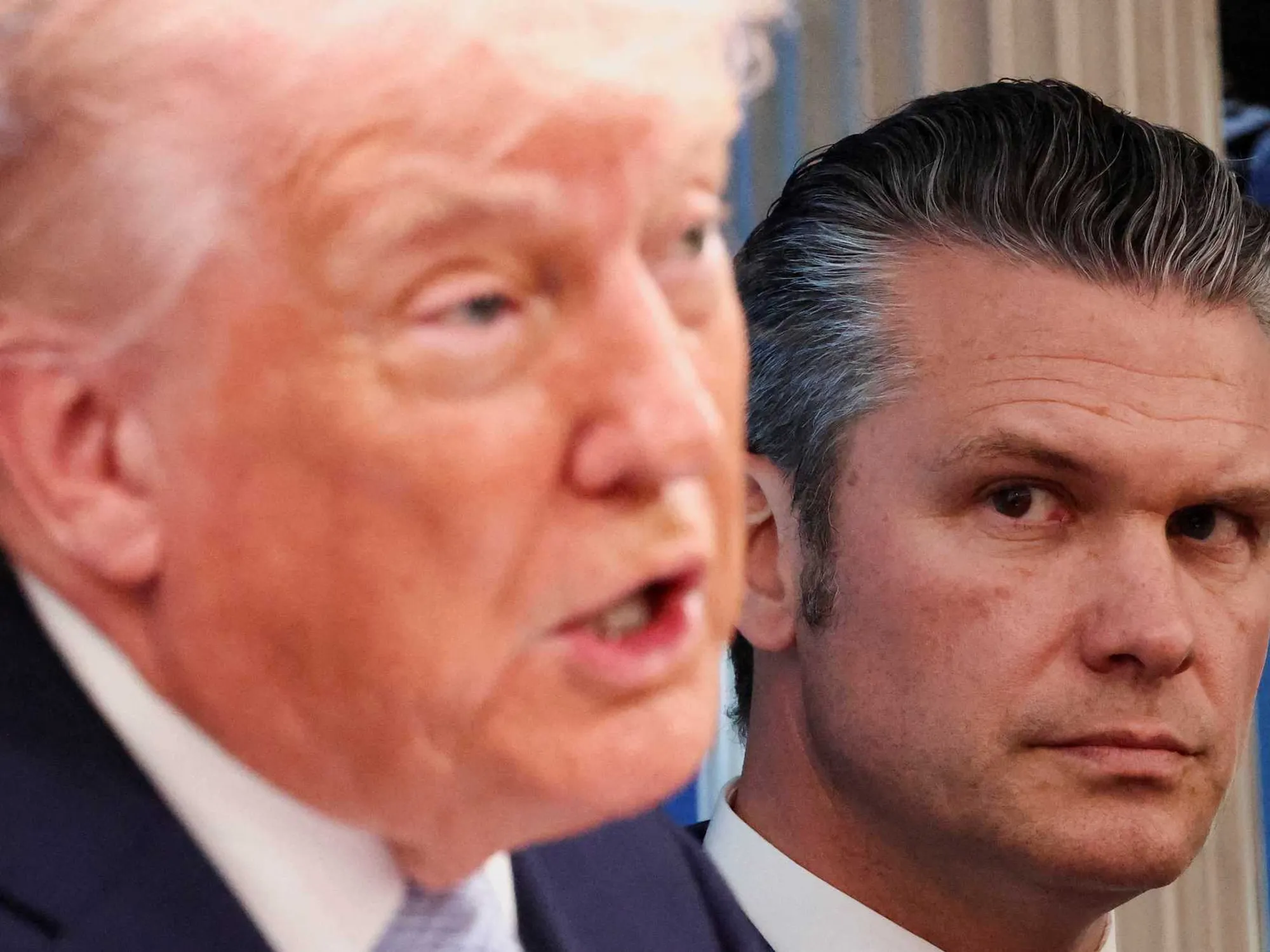
President Donald Trump’s top advisers and administration officials are unimpressed with the plan for a renewed campaign against Iran after the midterm elections, according to Alternet, citing Zeteo’s Asawin Suebsaeng. After the Nov. 3 vote — the midterm contest that will determine the next composition of Congress — Defense Secretary Pete Hegseth is set to repackage the old strategy of sustained bombing in search of a “win” in the Iran war.
“It’s moron time, again,” was the comment from one Trump adviser, according to Suebsaeng’s reporting for Zeteo.
Hegseth has reportedly made a secret trip to plot with Israeli Prime Minister Benjamin Netanyahu, who faces his own election next month. According to the New York Times, “U.S. and Israeli militaries have developed specific plans for renewed strikes against Iran after the American midterm elections,” and the “targets would likely include Iran’s energy infrastructure, nuclear facilities and missile and drone arsenal.”
Suebsaeng reported that officials have told him preparations have ramped up significantly, and that planners are now working on a target list that would include civilian infrastructure.
“Several senior officials I spoke to are (to put it mildly) massively skeptical that revving Trump’s war machine back up will bring about the (supposedly) intended result of forcing the Iranian government to make significant concessions and end the war in Trump’s favor,” he reported. Officials also worry the move would worsen the U.S. economy and drag down the global economy.
Iran, for its part, has signaled retaliation. As the Guardian reported on Thursday, “Iran will strike oil facilities, undersea cables, data centers and AI facilities across as many as seven countries in the Gulf in the event of a fresh U.S.-Israeli attack, Mohsen Rezaei, the secretary of Iran’s supreme national security council, has said.” The categories Rezaei named underscore what is at stake beyond the battlefield: a major share of the world’s oil moves through Gulf export terminals and waters, the undersea cables threading the region carry the overwhelming majority of intercontinental data traffic, and data centers and AI facilities provide the physical computing layer for the cloud and artificial-intelligence services used worldwide.
Trump, meanwhile, has said both publicly and privately that he will not stop the Iran war before the election, however unpopular it may be. Doing so would mean admitting he was wrong and that he has lost the war. The conflict could also extend well past Election Day: U.S. Ambassador to the United Nations Mike Waltz told the Financial Times that the war could last another year, according to a Friday report.
“It’s as close to as an admission that you can get that his management of the war is now motivated by partisan politics – the obvious hope that his timing may spare him and Republican candidates the headache of p—— off the electorate right before Election Day,” Suebsaeng wrote.
The administration has repeatedly argued the war was necessary because “Iran can’t have a nuclear weapon.” Yet Trump will not begin bombing until after the election. That sequence, Suebsaeng argued, raises a simple question: “either his bumbling war of aggression ... is an urgent national-security imperative, as the Trump White House routinely lies that it is, or it isn’t.” If nuclear proliferation were the genuine concern, why wait until after the vote?
In Suebsaeng’s view, the timing amounts to an open confession that the nuclear issue has nothing to do with the war to begin with. “He’s rubbing it in your face that this is all a game to him, for him to play at his convenience and pleasure, all while his government continues to cover up the extent of U.S. casualties in a fight Trump picked for no good, sane reason,” he concluded.

