Trump Supporter With Silicosis Turns on Sen. Ashley Moody Over Bill Shielding Engineered Stone Makers
Key Takeaways
- •The CDC says engineered-stone workers face silicosis risks from respirable crystalline silica exposure.
- •California has recorded 668 confirmed engineered-stone silicosis cases and 35 deaths, while regulators consider a possible ban.
- •Moody’s proposed legislation would provide manufacturers broad protection against civil lawsuits, and its House companion has passed the Judiciary Committee.
- •Cambria CEO Marty Davis and his family contributed $38,000 to Moody’s campaign and political action committee, according to the report.
- •Cambria attributes worker illnesses to unsafe practices, while company air-sampling studies cited by Bloomberg reportedly found repeated exposure above stated thresholds.
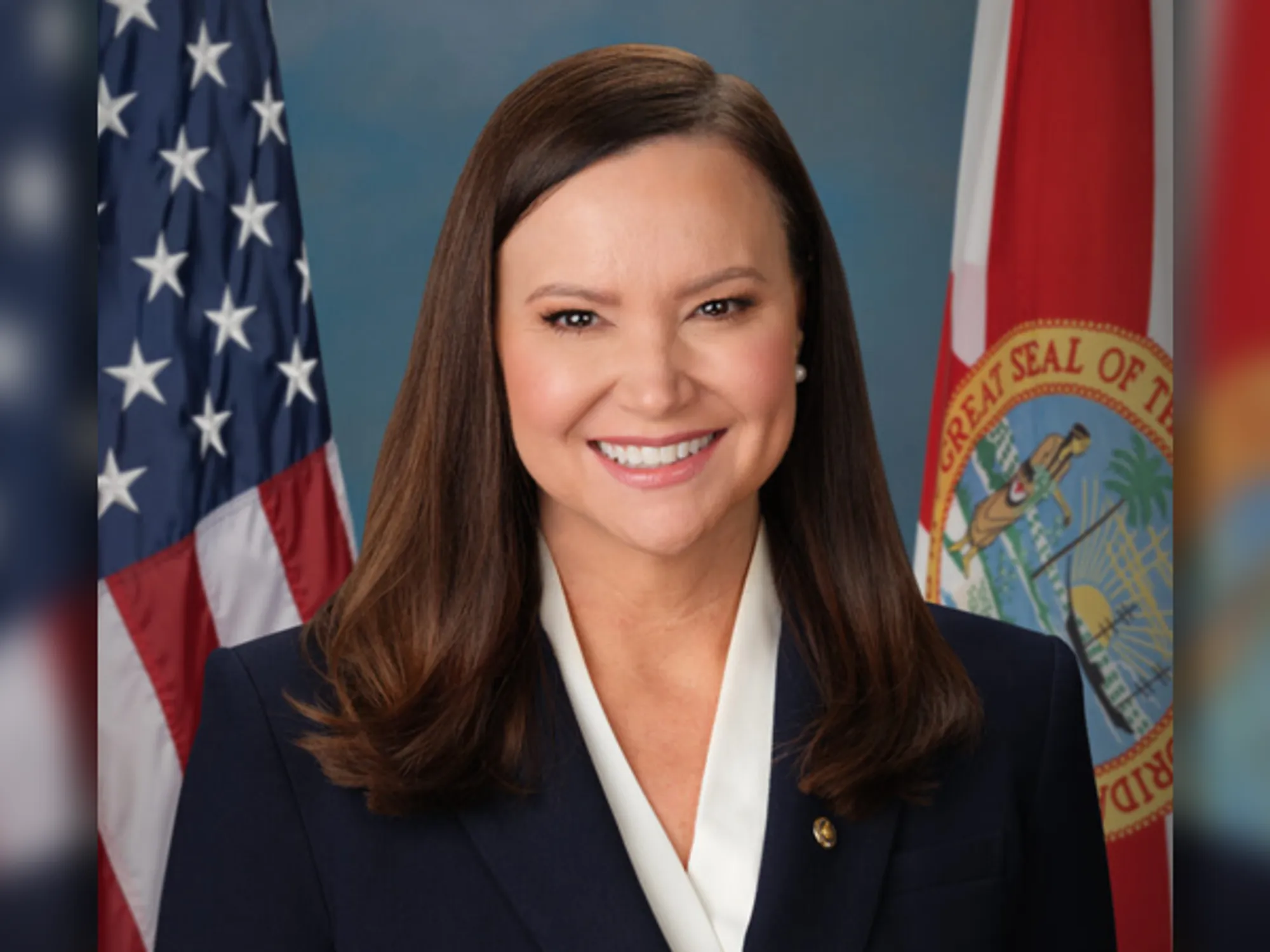
Sen. Ashley Moody (R-Fla.) is not up for reelection, but some MAGA supporters have been calling for her removal from office since she began pushing legislation to protect a major corporation whose products they say have made workers sick, according to a Friday New Republic report covered by Alternet.
One of them is Wade Hanicker, a 39-year-old Florida stoneworker and Trump supporter. His lungs are scarred, his income has fallen by half, and playing with his children leaves him gasping for breath. Moody's legislation would strip him of the right to sue the company he said did this to him. For him and other ailing fabricators, the bill's fate will help decide whether they can hold manufacturers accountable in court at all.
Hanicker worked extensively with engineered stone. In January, the Centers for Disease Control and Prevention published a report stating that "countertop fabricators working with engineered stone are at risk of developing silicosis due to the high respirable crystalline silica content." Silicosis, the report explained, is "an irreversible occupational lung disease" caused by respirable crystalline silica (RCS). The warning covered fabricators industry-wide, placing Hanicker's illness within a public-health problem that now reaches from workshops into Congress.
The potentially fatal disease has upended Hanicker's life and livelihood. He has closed his countertop business, undergone a double hip replacement after complications, and may now require a lung transplant. With medical bills stacking up to roughly $100,000, he decided to join a lawsuit against the manufacturers.
California, which tracks silicosis cases, has recorded 668 confirmed engineered stone silicosis cases and 35 deaths, according to the New Republic. Australia has already banned engineered stone, and California regulators are weighing a similar move.
Against that backdrop of a documented death toll, a national ban abroad, and a possible state ban at home, Moody has sponsored the Protection of Lawful Commerce in Stone Slab Products Act of 2026. The report said the measure would grant manufacturers sweeping protection from civil lawsuits. A companion bill doing the same has already been introduced in the House and approved by the Judiciary Committee.
The New Republic reported that campaign donations may help explain Moody's sponsorship. Cambria CEO Marty Davis, himself a major Trump donor, and his family members have given $38,000 to her campaign and political action committee, and one contribution came from an industry lobbyist after she introduced the bill. At a time when Americans are intensely focused on political corruption, the donations raise questions about a quid pro quo.
Cambria has blamed unsafe work practices, rather than its products, for workers' illnesses, arguing that the slabs are safe so long as no one performs the labor of turning them into countertops. Moody's bill similarly declares the materials themselves are not dangerous, claiming the stones "do not pose an inherent risk of injury to human beings."
Hanicker countered that cutting is unavoidable and that even a wet saw sends dust into the air. Workers who clean up or simply handle the material, rather than cutting it, also risk exposure, he said.
"Once the slurry dries, there's still dust. Even if it gets sucked into a vacuum, somebody still has to clean that filter out. There's going to be human interaction with the dust regardless of the form of the dust," he explained.
According to the report, Moody's bill is unlikely to pass in the two months before the new legislative session, but the fight has raised questions about Hanicker's loyalty to the GOP. He is now "up in the air" on whether he would vote for Moody again. The bill's compressed timeline, the progress of its House companion, and California's pending review of a ban give workers and manufacturers alike clear markers to watch as the session opens.
"I don't support her on how she's supporting this bill," he said. "She was the main sponsor on that. I can't stand that. There are certain aspects where I want the Democrats to win here for everyone that's being affected in this industry."
The New Republic suggested Moody may have reason to stay quiet on the issue. It cited a recent Bloomberg investigation that found Cambria's own internal air-sampling studies showed, "dozens of times," that respirable crystalline silica was exposing those who worked with it, with readings well "above the threshold that the company insists it's staying below." Some tests recorded exposure higher than the limit the Occupational Safety and Health Administration deemed permissible in 2016.
Hanicker knows that Trump is connected to Davis and Cambria and has even bragged that his trade policies have helped the company. Trump imposed hefty tariffs on imported engineered stone.
Hanicker is still trying to work. When he does fabrication now, a robot cuts the stone while he remains in an office.
"I'm sure they're also paying Trump off on these tariffs," he said. "It's hurting the industry all the way around."
Still, Hanicker does not want to support a Democrat.
"Just because I'm a Republican and a Trump supporter doesn't mean I agree with everything he does," he said.
He even sent the president a letter describing his illness. The reply he received was, in his own summation, essentially a note that said: "Sorry about your health and hope that you and your family are well."

