Tims China posts 21.7 per cent revenue decline amid store network overhaul
Key Takeaways
- •Second-quarter 2026 revenue fell 21.7% year on year to RMB273.4 million, and system sales declined 15.1% to RMB347.8 million.
- •Tims China opened 15 made-to-order stores and closed 13 non-MTO stores during the quarter, ending with 1,028 total outlets.
- •System-wide same-store sales fell 17.8%, while company-operated same-store sales declined 17.3%.
- •Registered loyalty club membership reached 37.1 million as of 30 June, up 41.7% from a year earlier.
- •The company posted a net loss of RMB97.4 million, compared with RMB75.9 million in the same quarter of 2025.
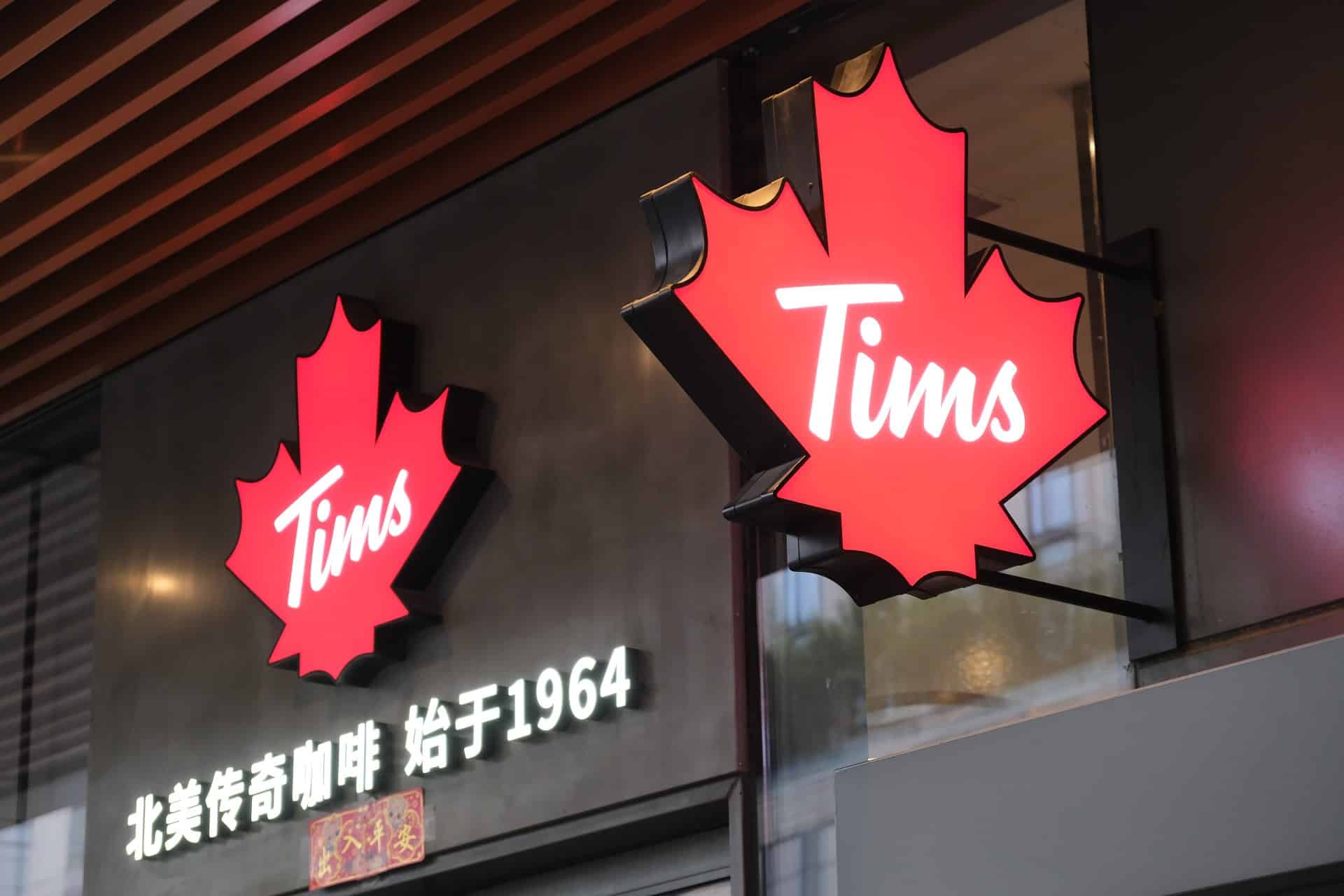
Tims China, the operator of Tim Hortons in mainland China, Hong Kong, and Macau, has reported a decline in second-quarter 2026 revenue as it continues to reshape its store portfolio and respond to softer consumer demand in China. The company, formally TH International Limited, has been listed on Nasdaq since 2022 and has built the Tim Hortons brand across its territories since opening its first mainland China store in 2019.
Total revenue for the quarter ended 30 June 2026 came in at RMB273.4 million (US$40.3 million), down 21.7 per cent year-on-year. System sales fell 15.1 per cent to RMB347.8 million (US$51.3 million).
During the quarter, the company opened 15 new made-to-order (MTO) locations while closing 13 non-MTO stores. It ended the period with 1028 stores, comprising 544 company-operated outlets and 484 franchised locations. The pattern of openings and closures continues the company’s shift in store mix toward its made-to-order format.
CEO Kwok Wah (John) Cheung described the quarter as “a period of transition”, attributing weaker sales to the company’s decision to close underperforming stores and to pressure on same-store sales. System-wide same-store sales declined 17.8 per cent, while company-operated same-store sales fell 17.3 per cent. The trading backdrop has been shaped by rapid expansion and aggressive price competition among homegrown coffee chains such as Luckin Coffee and Cotti Coffee, alongside uneven consumer spending in China.
“It is clear that we need to make meaningful changes to our strategy to win back customers,” says Cheung. “My experience tells me that when we focus on our core identity and consistently deliver great products and a great guest experience, our customers will respond. I have full confidence in Tims China’s ability to improve the business and regain market share.”
Despite the sales decline, Tims China’s loyalty program continued to expand. Registered loyalty club membership reached 37.1 million as of 30 June, representing year-on-year growth of 41.7 per cent.
The company reported a net loss of RMB97.4 million (US$14.4 million), compared with RMB75.9 million in the same quarter of 2025.
Looking ahead, CFO Albert Li says proceeds from a recently completed US$15.8 million tranche of senior secured convertible notes issued to Tim Hortons Restaurants International — part of Restaurant Brands International, the owner of the Tim Hortons brand — will support ongoing innovation and investment.
“With the proceeds from this series of proposed financing, we plan to drive our innovation and product offerings, invest more in marketing activities, and deploy a more balanced store network development strategy by opening both company owned and operated stores and franchised stores going forward,” says Li.
The pace of new openings under that balanced ownership model, the trajectory of same-store sales, and the customer response to stepped-up marketing and new products will be the clearest measures of the strategy’s progress in coming quarters.
Source: Global Coffee Report

