Target Lifts Technology Spending 30% to $2.4 Billion as AI Push Accelerates
Key Takeaways
- •Target reported $2.4 billion in capital expenditures year to date, up 30% from the same period last year.
- •The retailer said its technology push includes partnerships with Google and OpenAI to expand AI use across the business and shopping experience.
- •Target plans to appoint Chandhu Nair as its first chief AI officer and SVP on Aug. 24.
- •The company said its tech investments are part of a broader effort to address weak sales and modernize its operations.
- •Target recently rolled out Proxima, a digital twin tool for its middle-mile inventory positioning system.
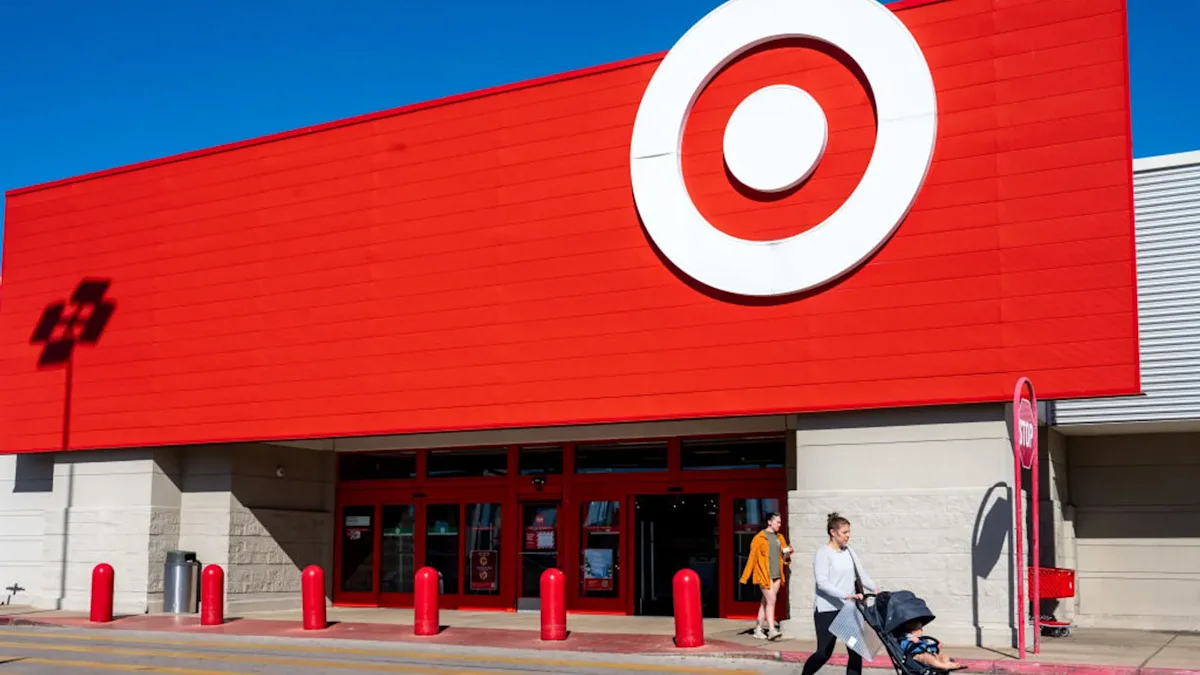
Target has spent $2.4 billion in capital expenditures this year — up 30% from the same period last year — amid heightened technology investments, CEO Michael Fiddelke said during the company's Q2 earnings call on Wednesday.
The spending forms part of a broader technology push at the retailer. Fiddelke touted the company's June partnership with Google as a strategic move to incorporate conversational AI into the shopping experience. He also pointed to the retailer's partnership with OpenAI from November, a move to incorporate AI throughout the business.
Target's tech investments will be focused both internally and on customer experience, Fiddelke said during the call. "We're accelerating our tech capabilities to make every part of the business stronger, from how we serve guests to how we equip our teams," Fiddelke said.
Part of a broader turnaround strategy
Target's tech investments are part of the company's strategy to counter a streak of poor sales, and to usher in new leadership of its technical teams. The 30% jump in capital spending puts concrete dollars behind that effort, tying the company's financial resources directly to its modernization push.
In March, the retailer said it planned to invest an incremental $2 billion this year, including more than $1 billion in additional capital expenditures and $1 billion in additional operating investments, in part to accelerate its technology and AI use across the business. The higher capital spending disclosed Wednesday reflects that plan taking shape.
The company will welcome Chandhu Nair as its first chief AI officer and SVP on Aug. 24, making AI part of its C-suite. In the new role, Nair will forge a closer partnership between the company's AI operations and its customer experience, with a task of "bringing greater focus and coordination to AI across the enterprise," the company said of his appointment. His arrival lands ahead of the holiday shopping season, which typically drives a large share of retailers' annual sales, positioning his first months in the role as a key checkpoint for how quickly that coordination takes shape.
The appointment follows broader leadership changes this year. Fiddelke — the former COO who took the reins at the retail giant in February — has ushered in several key C-suite changes.
"We're continuing to modernize our tech foundation while investing in new industry-leading capabilities that allow us to personalize experiences across stores and digital channels, strengthen one of the nation's premier retail media businesses, help our merchants identify and respond to emerging trends faster than ever before, and connect with both new and existing guests in increasingly relevant ways," Fiddelke said on Wednesday's call. Retail media has grown into a high-margin business line for major retailers, adding financial weight to the technology underpinning Target's network.
Internal tools and customer-facing technology
Although Target is focusing some of its tech investments on customer-facing strategies, its internal uses will be centered on training employees to use technology that "simplifies work, reduces friction and gives them more time to focus on what matters most: serving our guests," Fiddelke said.
That includes helping merchants identify and respond to emerging trends faster and connecting with customers in new ways, he added.
The company has just rolled out a tool called Proxima, a digital twin of Target's middle-mile inventory positioning system, which determines how merchandise moves throughout its supply chain.
Retailers race to adopt AI
Other retailers are jumping on AI and agentic systems to find efficiencies for corporate employees and better serve customers, as shoppers grow more comfortable with agentic AI purchases.
Home Depot restructured its technology team earlier this month to better align with its overall goals to accelerate innovation and drive growth. Walmart launched a set of AI initiatives in 2026, tying its supply chain goals to AI abilities. And Crocs just signed a 10-year strategic partnership with IT services firm Infosys to streamline its data for AI use. For Target, the stakes of keeping pace are heightened by Walmart's scale as its largest competitor and by its own push to counter a streak of poor sales.
This story was originally published on CIO Dive.

