Burnham shelves Thames Water special administration plan over multibillion-pound costs
Key Takeaways
- •Officials have raised concerns that a special administration regime for Thames Water could cost taxpayers more than £2bn, with earlier estimates putting the bill at £4.1bn.
- •The government is no longer pursuing an immediate intervention and is instead assessing whether another administration route is viable.
- •The review is expected to take several months, reducing the chance of any quick move into administration.
- •Thames Water serves about 16 million customers in London and the South East and remains the largest water company in Britain.
- •Creditor groups are proposing a board reshuffle while Thames Water continues to face a near-£20bn debt burden and cash-flow pressure.
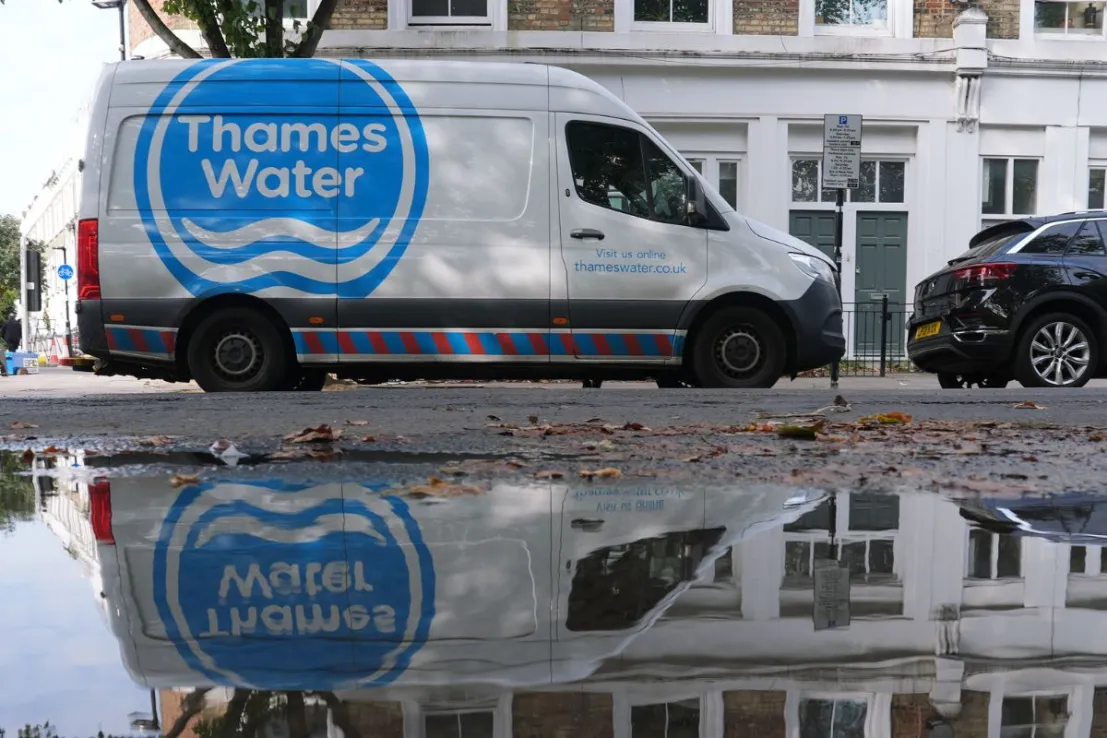
Prime Minister Andy Burnham has shelved plans to take public control of Thames Water, amid warnings that the move could saddle taxpayers with a bill running into the billions of pounds.
The Prime Minister had been considering placing the struggling utility into a special administration regime (SAR), a mechanism that would allow the government to take partial control of the company until a buyer was found. Thames Water is Britain's largest water company, serving around 16 million customers across London and the South East, in a sector that has been privately run since privatisation in 1989.
Greater public control of utilities was one of the cornerstones of Burnham's pitch for power, and Thames Water was expected to provide one of his first opportunities to act on that pledge.
However, government officials have raised concerns about the cost to taxpayers of an SAR, The Times reported. Thames Water has said the regime could force the government to shell out more than £2bn.
The cost could have spiralled even further, with a 2024 report by advisory firm Teneo putting a £4.1bn price tag on an 18-month SAR for the utility. The regime has never been triggered for a water company before, and its most prominent previous use — the 2021 collapse of energy supplier Bulb — ended up costing taxpayers about £3bn.
Ministers have now backed away from any immediate move, wary of both the costs and potential legal challenges to the plans, and are instead exploring whether a "viable option" exists for putting the company into administration, The Times reported.
Months of work ahead
That work is expected to take several months, making it increasingly unlikely that Thames Water will be placed into any kind of administration by the government.
"There is no quick or clean solution without an enormous price tag attached. It is very challenging and there are significant legal risks," a Whitehall source told The Times.
"It's not off the table, but further work is being done on potential solutions before a decision can be taken," the source added.
Creditors plan board shake-up
On Monday, the creditors vying for control of the utility set out their plans for a shake-up of its board. The contest between lender groups began after Thames Water's shareholders declined to provide fresh funding, leaving creditors as the main remaining source of rescue capital.
The London & Valley Water (L&VW) consortium, which includes heavyweight investors Apollo and Elliott, said it would appoint the former bosses of Yorkshire Water and BT Openreach as non-executive directors of the company.
They would be joined by Mike McTighe, a turnaround specialist and chair of Openreach who has been advising Thames Water, and Dame Bernadette Kelly, a former Permanent Secretary at the Department for Transport.
Thames Water has been battling a near-£20bn debt pile — the biggest in the sector — and last month warned investors that it would run out of cash by the end of this year. The company has also faced sustained criticism over sewage discharges into rivers, which has kept it at the centre of the national debate over the future of the water industry in England and Wales.
Former environment secretary Emma Reynolds has previously rebuffed L&VW's turnaround plan.

