Texas County Reconsiders Polling Place Cuts After Public Backlash
Key Takeaways
- •Republican officials in Tarrant County have proposed cutting 92 polling places and reducing early voting sites from 50 to 47.
- •An earlier plan to nearly halve polling locations was delayed after heavy public opposition.
- •The revised proposal would leave Tarrant County with 224 polling places, still fewer than Phoenix despite Tarrant County having more residents.
- •Democratic leaders and the Fort Worth City Council have urged county officials to preserve or expand polling access.
- •The public response to the initial proposal was intense enough to require overflow rooms and led to arrests at the meeting.
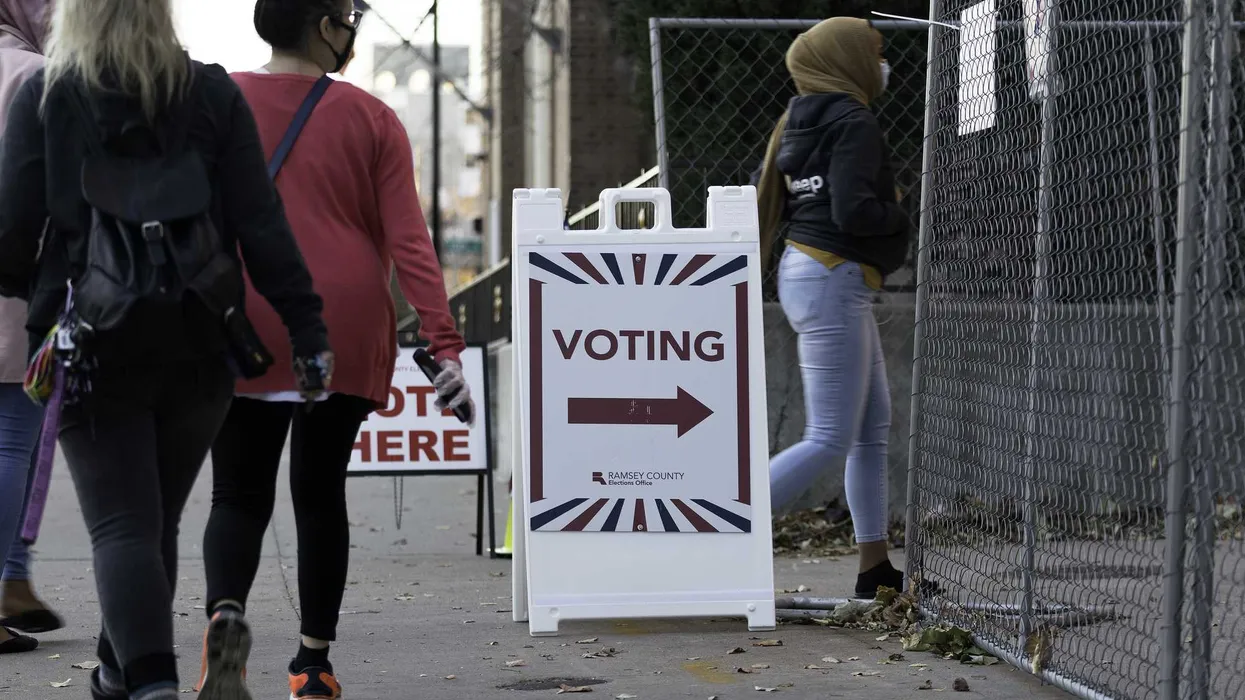
Local Texas officials are set to vote Tuesday on whether county officials can cut polling places in a key battleground county by 30 percent.
Democracy Docket reported Tuesday that Republican officials in Tarrant County, Texas, developed a new plan to reduce access to the polls on Nov. 3 by cutting 92 polling locations. Early voting locations would be reduced from 50 to 47.
The vote follows a delay after local officials postponed an earlier proposal that drew strong public opposition. At the Aug. 4 meeting, officials had sought to cut polling places by nearly 50 percent, despite population growth in the county.
Under that earlier proposal, 316 voting locations would have been reduced to 176 for a population of about 2,248,466 people, according to 2025 Census data. For comparison, Phoenix, Arizona, has roughly 1.6 million residents and 236 vote centers across Maricopa County. Tarrant County would have fewer polling places despite having about 800,000 more people.
Fewer polling sites can concentrate demand and make election administration more difficult if the county does not add capacity elsewhere. In practice, that can mean voters may have to travel farther, wait longer, or navigate a more crowded process, especially in places where transportation options are limited or where poll workers and early voting sites are already stretched thin. Combined with too few poll workers, confusing voting equipment, fewer early voting options, and limited transportation support, these conditions can lead to long lines and lower turnout.
After significant backlash, officials backed away from the initial proposal, but only partially. The new plan would reduce the number of polling places to 224. That is still fewer than Phoenix, which has 800,000 fewer people.
Democracy Docket said the county has a growing minority population and has moved more toward Democrats over the past two years. Earlier this year, Democrat Taylor Rehmet won a special election for a state Senate seat, surprising Texas Republicans.
Opposition has come from more than angry voters. The Fort Worth City Council unanimously urged Tarrant County officials to preserve or even expand the number of available polling locations. State Rep. Gina Hinojosa, a Democrat running for governor, called the county “ground zero” for Texas elections this year.
“When you look at where those cuts hit the hardest, it’s the same neighborhoods that have always been targeted,” said Democratic County Commissioner Alisa Simmons. “The ones with the lowest income zip codes, the most Black and Hispanic communities in this county. The places where folks are less likely to have a car.”
During the initial meeting, Simmons described the effort as a “deliberate act to reduce voter access.”
The public response was large enough to overwhelm a normally quiet county meeting, forcing officials to use two overflow rooms. The crowd became so disruptive that “O’Hare ordered law enforcement to clear the meeting room,” Democracy Docket said. People were arrested, and former state Rep. Lon Burnam (D) was carried out of the room by police and detained overnight.
“The Fort Worth City Council voted unanimously to urge Tarrant County officials” to open more polling places, the report said.

