Taliban Government Tightens Crypto Restrictions in Afghanistan as Trading Crackdown Bites
Key Takeaways
- •The Taliban government has effectively banned cryptocurrency trading nationwide, labeling digital assets a scam and threatening traders and businesses with prosecution.
- •More than 20 crypto shops in Herat have closed and at least 13 traders have been arrested under the restrictions.
- •Monthly cryptocurrency inflows into Afghanistan have reportedly fallen from more than $150 million to less than $80,000.
- •Bitcoin and stablecoins had become important tools for savings and remittances after Afghanistan was largely cut off from the global banking system.
- •Because Bitcoin operates on a decentralized network, shutting down local businesses does not technically eliminate the network itself, though it remains unclear how much activity will persist.
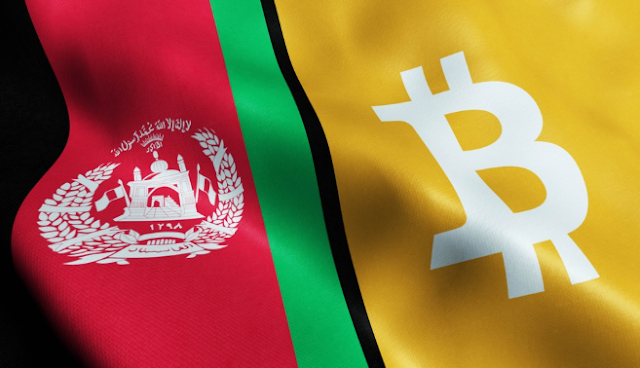
Afghanistan’s Taliban government has effectively banned Bitcoin and cryptocurrency trading nationwide, according to information shared on X by @coinbureau (https://x.com/coinbureau/status/2093954370039664800), as authorities classify digital assets as a "scam" and threaten traders and businesses with prosecution.
The crackdown has reportedly resulted in the closure of more than 20 cryptocurrency shops in Herat and the arrest of at least 13 traders. At the same time, monthly cryptocurrency inflows have fallen sharply, from more than $150 million to less than $80,000.
The restrictions mark a significant reversal for a market that had become an alternative financial channel for some Afghans following the country’s isolation from much of the international banking system. They also extend a pattern that began shortly after the Taliban took power in 2021, when the country’s central bank moved to block online cryptocurrency trading amid international sanctions and the freezing of Afghan foreign reserves.
Afghanistan Escalates Restrictions on Cryptocurrency
The Taliban administration has taken increasingly restrictive measures against cryptocurrency activity, with authorities reportedly targeting businesses and individuals involved in digital-asset trading.
The government is described as considering digital assets a "scam" and has threatened traders and businesses with prosecution. The measures have reportedly affected physical cryptocurrency shops as well as individual traders.
More than 20 crypto shops in Herat have closed under the restrictions, while at least 13 traders have reportedly been arrested. Herat, a commercial hub near the Iranian border with long-standing trade ties, had been one of the more active centers of crypto activity in the country.
The developments have significantly reduced visible cryptocurrency activity in one of Afghanistan’s major commercial centers and contributed to a broader contraction in the country’s crypto market.
Crypto Inflows Plunge From $150 Million to Less Than $80,000
The reported crackdown has been accompanied by a dramatic decline in cryptocurrency inflows.
Monthly crypto inflows, which had exceeded $150 million, have reportedly fallen to less than $80,000. The decline represents a substantial reduction in the volume of digital assets entering the country.
The figures illustrate the immediate impact of restrictions on formal and informal cryptocurrency channels. With businesses closing and traders facing the threat of prosecution, access to local crypto services has become significantly more limited.
However, the reported reduction in inflows does not necessarily establish that all cryptocurrency activity has disappeared. Digital assets can be transferred directly between individuals without relying on conventional exchange businesses or physical trading shops.
Bitcoin and Stablecoins Had Financial Uses
Cryptocurrency had developed practical uses in Afghanistan amid the country’s limited access to international banking services.
Bitcoin and stablecoins had become important tools for savings and remittances, according to the information shared in the X post. Their digital nature allowed users to transfer and store value without relying entirely on conventional banking infrastructure.
This role became particularly relevant after Afghanistan was largely cut off from the global banking system. Restrictions and disruptions affecting access to international financial services created challenges for individuals and businesses seeking to move money across borders. The country’s heavy reliance on cash and informal hawala transfer networks has long coexisted with, and in some cases complemented, digital-asset use.
Stablecoins, which are digital assets designed to maintain a relatively stable value against reference assets such as the U.S. dollar, have been used in various markets for payments and transfers. Bitcoin, meanwhile, can be transferred directly between digital wallets without requiring a traditional bank to process the transaction.
Can Restrictions Eliminate Bitcoin Activity?
The Afghan crackdown raises a broader question about the effectiveness of government restrictions on decentralized digital assets. Afghanistan is not alone in attempting to suppress crypto trading; countries including China have imposed broad bans, while enforcement outcomes have varied.
Authorities can close cryptocurrency exchanges and physical trading businesses, restrict access to financial services and prosecute individuals involved in trading. Such measures can make cryptocurrency activity considerably more difficult and reduce the volume of transactions conducted through visible or regulated channels.
Bitcoin itself, however, operates through a decentralized network rather than a single company or central institution. Transactions can be conducted directly between users through digital wallets, meaning that shutting down local businesses does not technically shut down the underlying Bitcoin network.
The extent to which cryptocurrency activity can continue despite Afghanistan’s restrictions remains unclear. The reported collapse in monthly inflows demonstrates the immediate effect of the government’s measures, while the decentralized structure of Bitcoin means that enforcement against local participants does not amount to eliminating the network itself.
For Afghanistan, the restrictions represent a major change for a population that had increasingly turned to digital assets as an alternative financial tool, and they narrow one of the few remaining channels for moving money across borders in an economy already strained by sanctions, frozen reserves and reduced international aid.
