Susan Collins Skips JD Vance's Maine Campaign Stop — and Won't Say His Name
Key Takeaways
- •Collins did not attend Vance’s event at Compotech in Brewer and said she was already scheduled elsewhere on Monday.
- •Her campaign said she has a good working relationship with Vance, but a personal schedule kept her away.
- •Collins recently opposed the administration’s 50% tariffs on Canadian goods and urged renewed negotiations with Canada.
- •Canada is Maine’s largest trading partner, making the tariff dispute especially relevant to the state.
- •A recent Fox News poll showed Troy Jackson leading Collins 48% to 46%, a margin within the poll’s error range.
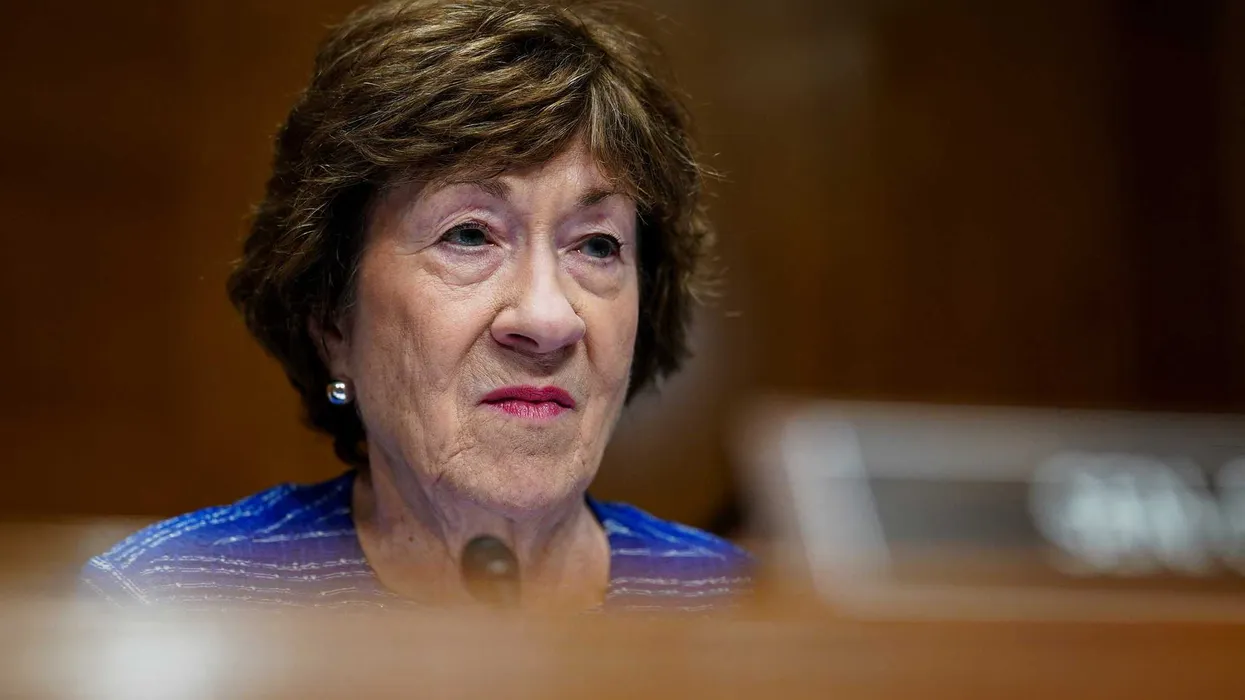
Sen. Susan Collins (R-ME) skipped Vice President JD Vance's campaign stop in Maine on Monday — and declined to say his name as she explained why.
Vance spoke at Compotech, a defense contractor in Brewer, without the senator at his side. The event comes as Collins trails former Maine Senate President Troy Jackson, the Democratic nominee, in a race that could determine control of the U.S. Senate, according to recent polling. Collins, a moderate first elected in 1996, is seeking a sixth term and is the only Republican senator up for reelection this cycle in a state the Democratic presidential ticket carried in 2024, and she has repeatedly broken with her party on high-profile votes — including the 2017 Affordable Care Act repeal — while winning her last race by nearly nine points in 2020 despite record outside spending against her.
At a weekend parade, a reporter put the question to Collins directly.
"Monday, the vice president is visiting Brewer to go to Compotech," the reporter said. "I'm curious. Will we see you there, and what are your thoughts on the vice president coming to Maine?"
Collins never said Vance's name in her reply — but referred to Energy Secretary Doug Wright twice.
"I always welcome anyone coming to the state of Maine," Collins responded. "Just recently, I was with the secretary of Energy in Lincoln, Maine, where we celebrated this new battery technology that is cutting edge and will help the resilience of the electric grid in New England. I am already scheduled on Monday, so I will not be able to join the vice president. But I really appreciated Secretary Wright's presence."
Collins campaign spokesperson Shawn Roderick confirmed Monday that she would not attend, saying the senator has a "great working relationship" with Vance but that a "personal schedule" would keep her away, the outlet reported.
She is not the only Maine Republican staying away. According to the Portland Press Herald, GOP gubernatorial nominee Bobby Charles is also skipping the event, though former Maine Gov. Paul LePage is expected to attend.
American Bridge, a Democratic-aligned political action committee, argued Collins is dodging Vance in person while pointing to their prior dealings, the Bangor Daily News reported. Those dealings include a dinner with Vance before Collins voted to confirm Tulsi Gabbard as director of national intelligence.
Vance has spoken about the senator as well. "Sometimes I get frustrated with Susan Collins," he said at a Bangor rally in May, NBC News reported, adding that he almost wished she were "more partisan" — before endorsing her reelection bid.
On Saturday, Collins also broke with the administration over its decision to impose 50% tariffs on Canadian goods, her office said, calling on both countries to return to negotiations.
"The Administration must consider the negative impact tariffs would have on Maine businesses, communities, and families and work to reach a fair agreement with our Canadian neighbors," Collins wrote.
Maine shares a border with two Canadian provinces, Quebec and New Brunswick, and Canada is the state's largest trading partner.
The latest Fox News poll shows Jackson leading Collins 48% to 46%, within the margin of error, in a race that could determine Senate control. Republicans currently hold a 53-47 majority in the chamber, so a net shift of four seats in November would flip control to the Democrats.

