Kagan and Jackson Say Supreme Court Is Increasingly Explaining Its Emergency Rulings
Key Takeaways
- •Justices Elena Kagan and Ketanji Brown Jackson publicly welcomed the Supreme Court's increased practice of issuing written explanations for its expedited emergency orders.
- •Jackson said the added reasoning the public and lower courts understand and apply the court's principles, something that was not possible when orders arrived without any explanation.
- •Kagan said the justices have become better at explaining controversial rulings than they were in the early months of Trump's second term, though she avoids the term "shadow docket."
- •Kagan has also criticized language from the Trump administration and its allies as designed to intimidate judges, arguing that such conduct crosses the line beyond fair criticism.
- •Jackson accused the court of "Calvinball jurisprudence" in a dissent after it allowed Trump to unilaterally cut funding to the National Institutes for Health, reflecting broader criticism of inconsistent reasoning in emergency decisions.
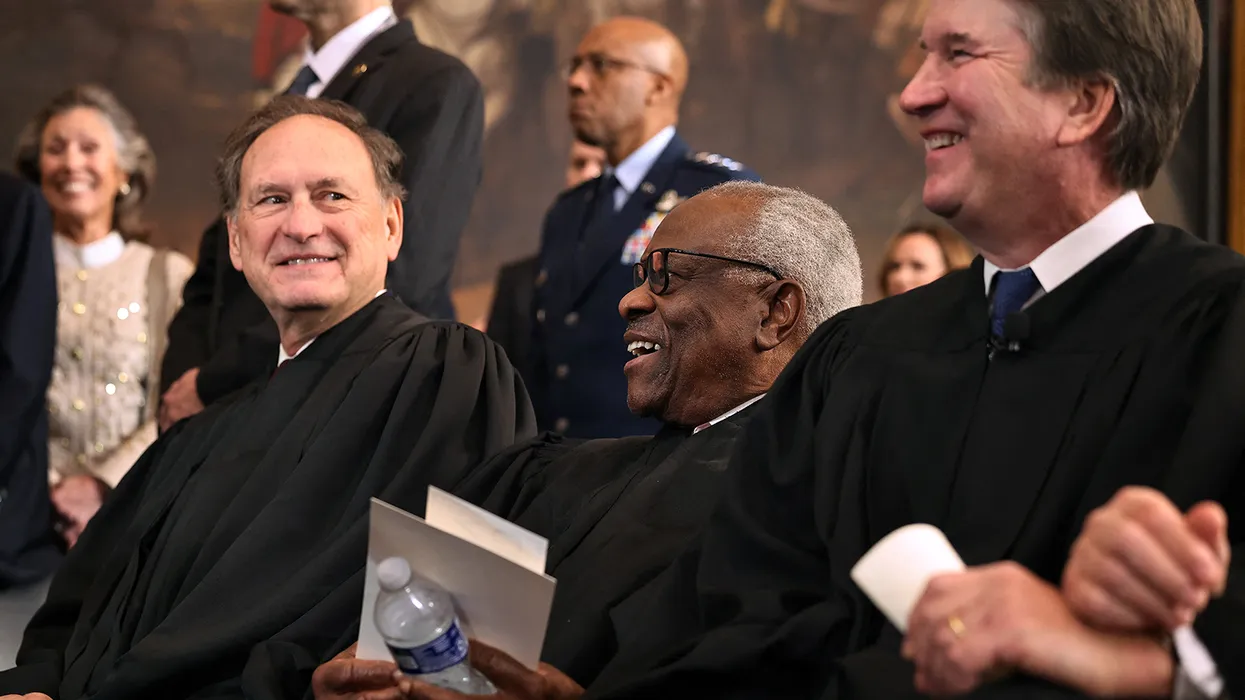
Supreme Court Justices Elena Kagan and Ketanji Brown Jackson say the court has become more willing to issue written explanations for its fast-track emergency orders — a shift both justices welcomed even as they continue to dissent in many of the cases arriving on an expedited basis.
Emergency applications sit on a distinct track at the court: they ask the justices to intervene before a dispute has run the full course of lower-court review, and such orders have historically often been issued with little or no accompanying reasoning. As emergency requests from the administration have mounted, the lack of explanation has become a recurring point of criticism.
According to reporting by The Hill's Zach Schonfeld published Sunday, the remarks came during recent appearances before judges and law students, as the Trump administration continues to flood the court with emergency appeals.
"The Supreme Court's liberal justices keep dissenting, but they also are seeing some progress on one front as the Trump administration floods the court with emergency appeals," Schonfeld reported. "During recent talks to judges and law students, Justices Elena Kagan and Ketanji Brown Jackson both welcomed their colleagues' increasing willingness to pen opinions publicly explaining their fast-track decisions."
Jackson called the development "a good and positive development," adding that "because now, the public and also lower courts, who are charged with responsibility of understanding what the court is doing and applying to a certain degree the court's principles in future cases, really need some way to go about doing that." "And it was not possible before," she said, "in a world in which the court was not providing any explanation."
That concern carries practical weight: with the administration routing a steady stream of contested policies onto the fast track, lower courts handling the underlying cases — and the public following them — have often been left to interpret expedited orders without guidance.
Kagan has taken a similar position. She has previously criticized the court for issuing landmark decisions without explaining its reasoning, although she has avoided the term "shadow docket," arguing that the justices have become better at explaining controversial rulings than they were in the early months of Trump's second term.
Testifying before Congress in the summer, Kagan also criticized the Trump administration and its allies for language she said often appeared designed to intimidate judges — rhetoric that, she noted, has been accompanied by genuine threats to the safety and lives of the justices themselves.
"He talked about how criticism is fair game... but intimidation is a different thing entirely, and when political figures of any stripe are trying to intimidate judges and justices to do things that they like rather than the things that they don't, that's where we really have crossed the line," Kagan said.
The court has also drawn criticism — including from its own dissenting members — over reasoning that shifts from one emergency decision to the next, including on the appropriate extent of executive power, with critics arguing the inconsistency is aimed at securing outcomes favorable to Trump. With emergency appeals still arriving, that consistency question remains the clearest test of the progress both justices say they are seeing.
Jackson made that argument pointedly in a dissent after the court allowed Trump to unilaterally cut funding to the National Institutes for Health. She described the court's approach as "Calvinball jurisprudence with a twist. Calvinball has only one rule: There are no fixed rules. We seem to have two: that one, and this Administration always wins."

