Strait of Hormuz Traffic Rises Slightly Amid New Diplomatic Push
Key Takeaways
- •Ten commodity vessels completed Hormuz transits on Wednesday, up from eight on Tuesday, but still below the 10-day average of 15.
- •Kpler said Wednesday’s traffic included inbound fuel tankers, an LPG carrier, a Panamax oil tanker and handymax tankers, as well as three outbound vessels.
- •Transit activity at the Bab el-Mandeb Strait fell to 19 ships from 24 the previous day, showing continued volatility across key regional routes.
- •Another tanker was struck by a projectile in the Strait of Hormuz, underscoring the ongoing risk to shipping in the area.
- •Qatar’s prime minister is visiting Tehran to discuss Hormuz, and no public details of the talks have been released beyond Iran’s statement that they will address Qatar’s mediation role and developments around the strait.
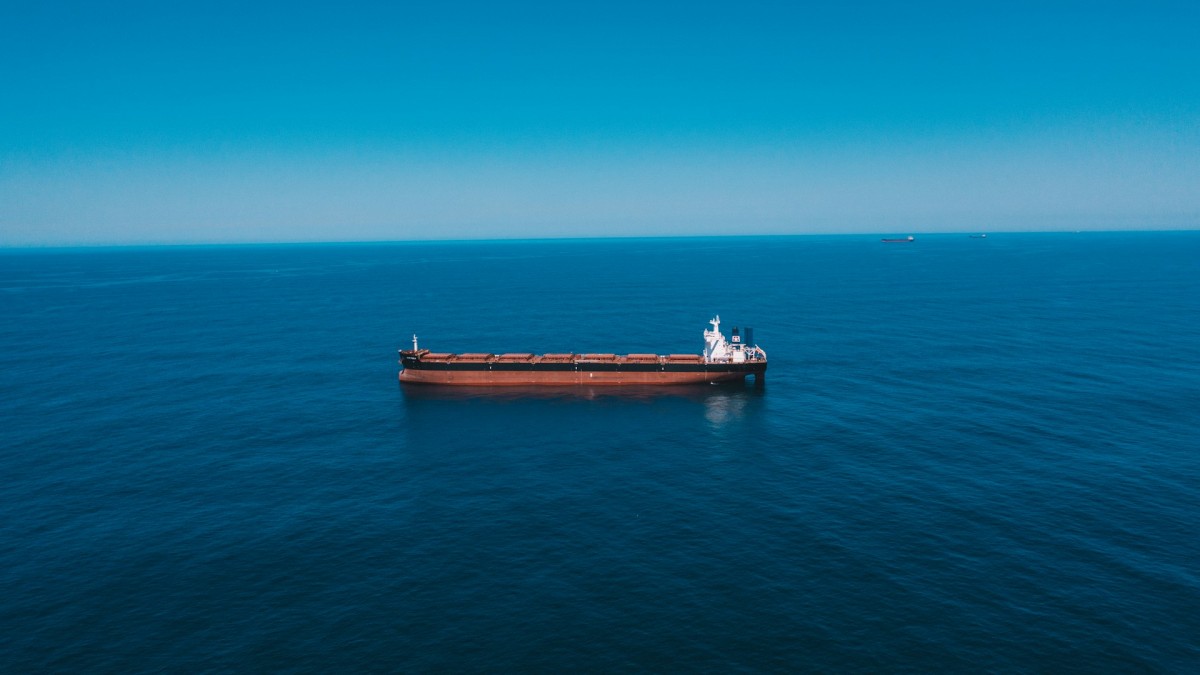
Commodity vessel traffic through the Strait of Hormuz rose slightly over the past 24 hours, as diplomatic efforts continue to discuss temporary corridors or a tentative reopening of the Middle East's most vital oil and gas chokepoint. The narrow waterway between Iran and Oman typically carries roughly a fifth of global petroleum liquids consumption, and only a few overland bypass pipelines - including Saudi Arabia's East-West line and the UAE's route to Fujairah - offer alternatives to tanker transits through it.
Ten commodity vessels completed the Strait of Hormuz transit on Wednesday, up from eight on Tuesday, according to Kpler data as of Thursday morning, cited by Reuters.
Despite the slight uptick in visible Hormuz crossings recorded in recent hours, Wednesday's tally still lags behind the 10-day average of 15 vessels moving through the Strait in either direction.
Kpler's data shows the composition of Wednesday's traffic: two fuel tankers, a carrier of liquefied petroleum gas (LPG), a Panamax oil tanker, and three handymax-sized tankers moved into the Persian Gulf via the Strait of Hormuz. Three vessels - a fuel tanker, a bitumen tanker, and a bulk carrier - moved outbound from the Persian Gulf into the Gulf of Oman.
While traffic at Hormuz rose slightly, transits at the Bab el-Mandeb Strait - the Red Sea gateway on the Suez Canal route linking Asia and Europe - fell to 19 ships from 24 vessels on the previous day, underscoring the continued volatility of shipping patterns across the region's key maritime routes.
The situation in the region remains tense and constantly changing, amid another attack on a vessel and hopes that Oman and Qatar could reason with Iran about shipping through the Strait of Hormuz.
In recent hours, yet another tanker was struck by a projectile in the Strait of Hormuz, a sign that tanker transits remain a high-risk endeavor in the area even as diplomatic activity intensifies.
At the same time, Qatar's Prime Minister is visiting Tehran today to discuss the possibility of reopening the Strait of Hormuz. Qatar holds a direct stake in the waterway: it is one of the world's largest exporters of liquefied natural gas, and its LNG tankers must pass through Hormuz to reach global markets.
No details about the visit by Sheikh Mohammed bin Abdulrahman al-Thani to Tehran have been made public, besides a statement from Iran's Foreign Ministry spokesman Esmaeil Baghaei saying that the discussions would focus on Qatar's continued role as a mediator between the warring parties and the latest developments in and around Hormuz.
Oil prices fell early on Thursday, as the market hopes, yet again, that a diplomatic breakthrough could ease the six-month-long Hormuz crisis. For now, the daily transit tallies and any public word emerging from the Tehran talks remain the clearest signposts of whether the talk of a tentative reopening is translating into actual vessel traffic.
Reported by Charles Kennedy for Oilprice.com.

