Over 1,500 Idle Ships in Strait of Hormuz Create Invasive Species 'Super-Spreader Event,' Scientists Warn
Key Takeaways
- •More than 1,500 ships have been stuck idle in the Strait of Hormuz since U.S. military operations against Iran began on February 28.
- •Organisms such as microbes and algae colonize ship hulls and enter rapid growth after approximately ten days of vessel stagnation.
- •Ports in Southeast Asia and India share similar salinity and temperature conditions with Middle Eastern waters, making them especially vulnerable to colonization by transported species.
- •The International Maritime Organization adopted voluntary biofouling management guidelines in 2011, but stationary vessels accumulate far more biomass than those in regular transit.
- •Invasive aquatic species already impose an estimated annual global economic cost in the billions due to infrastructure damage, fishery disruption, and hull-cleaning expenses.
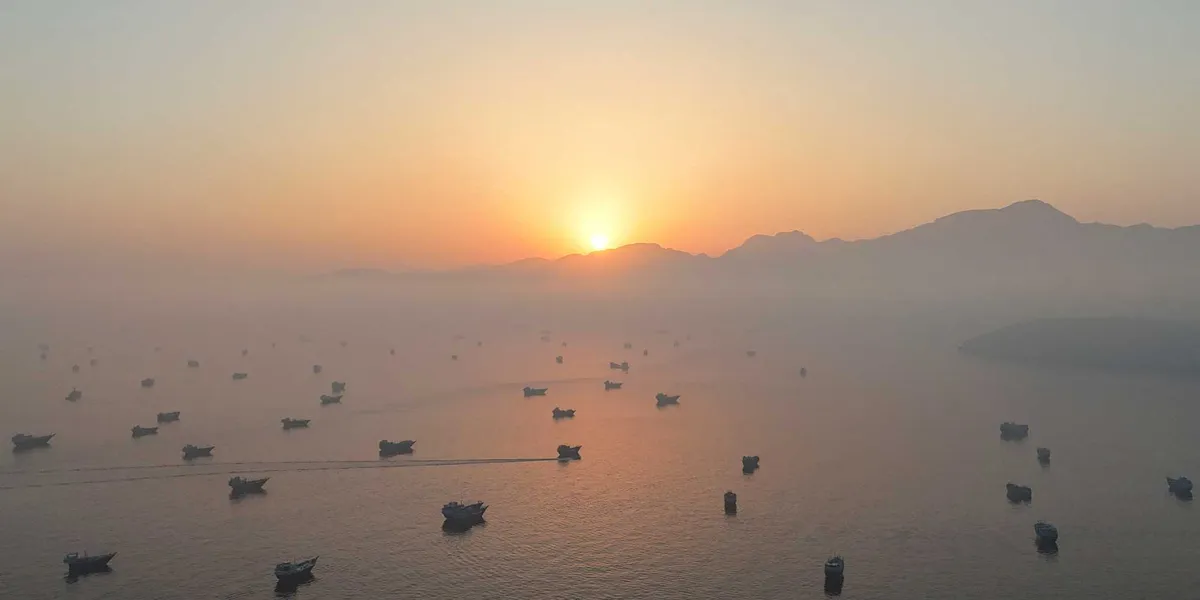
More than 1,500 vessels have remained idle in the Strait of Hormuz since President Donald Trump launched military operations against Iran on February 28, creating conditions that scientists warn could become an invasive species "super-spreader event," USA Today reported.
Mario Tamburri, lead author of a study from the University of Maryland Center for Environmental Science, described the convergence of circumstances as a "perfect storm" for the spread of non-native marine organisms.
The Strait of Hormuz, a narrow chokepoint between Oman and Iran through which roughly one-fifth of global oil supplies transit, has seen near-continuous vessel congestion since the outbreak of hostilities. Ships unable to proceed to their destinations have been forced to wait at anchor for extended periods.
During prolonged idle periods, organisms including microbes and algae colonize ship hulls. According to the research, these organisms enter a rapid growth phase after approximately 10 days of stagnation. Under normal operations, commercial vessels spend limited time at anchor between port calls, and anti-fouling coatings applied to hulls are designed to perform best when ships are in regular motion through the water.
"These organisms, when introduced to other ecosystems, can cause a wide array of consequences, from outcompeting native species to damaging infrastructure to introducing pathogens harmful to marine life and, sometimes, humans," USA Today reported.
Organisms adapted to Middle Eastern waters pose a particular threat to ports in Southeast Asia and India, where similar salinity and temperature conditions create hospitable environments for colonization. Singapore, one of the world's busiest shipping hubs, faces especially elevated risk.
"Those organisms can withstand extremes," Tamburri said. "They're tolerant organisms, which makes them good candidates for invasions when they go to a new location."
The International Maritime Organization has long identified biofouling — the accumulation of organisms on vessel hulls — as a major vector for the transfer of invasive aquatic species across global shipping routes. In 2011, the IMO adopted voluntary guidelines urging ship operators to implement biofouling management plans, including regular hull inspections and cleaning. Vessels that remain stationary for extended durations accumulate significantly more biomass than those in regular transit, increasing the likelihood that organisms will survive transport to distant ports and establish themselves in new ecosystems. The global economic toll of invasive aquatic species — including damage to port infrastructure, disruption of fisheries, and costly hull-cleaning operations — has been estimated by industry studies to run into billions of dollars annually.

