Utopaya Relaunches as Straata, an AI-Native Payments Revenue Growth Platform
Key Takeaways
- •Utopaya has rebranded as Straata, launching an AI-native platform that integrates advisory expertise with technology to optimize payments revenue across software platforms, ISOs, banks, and processors.
- •Straata's benchmarks indicate that 30 to 50 percent of payments revenue is effectively out of reach for most companies, and approximately one in two audited processor residual statements contains an error.
- •The company has completed over 100 engagements across more than 20 processors, analyzing upwards of $100 billion in annual payment volume during its nearly five years of operation.
- •Straata's Payments Diagnostic tool converts four data files into a graded Report Card within days, covering five areas: commercial terms, commission verification, interchange optimization, merchant pricing, and product gaps.
- •The platform enables a small team of senior operators to deliver payments management capabilities that previously required around ten people, while allowing Straata to take accountability for outcomes rather than just recommendations.
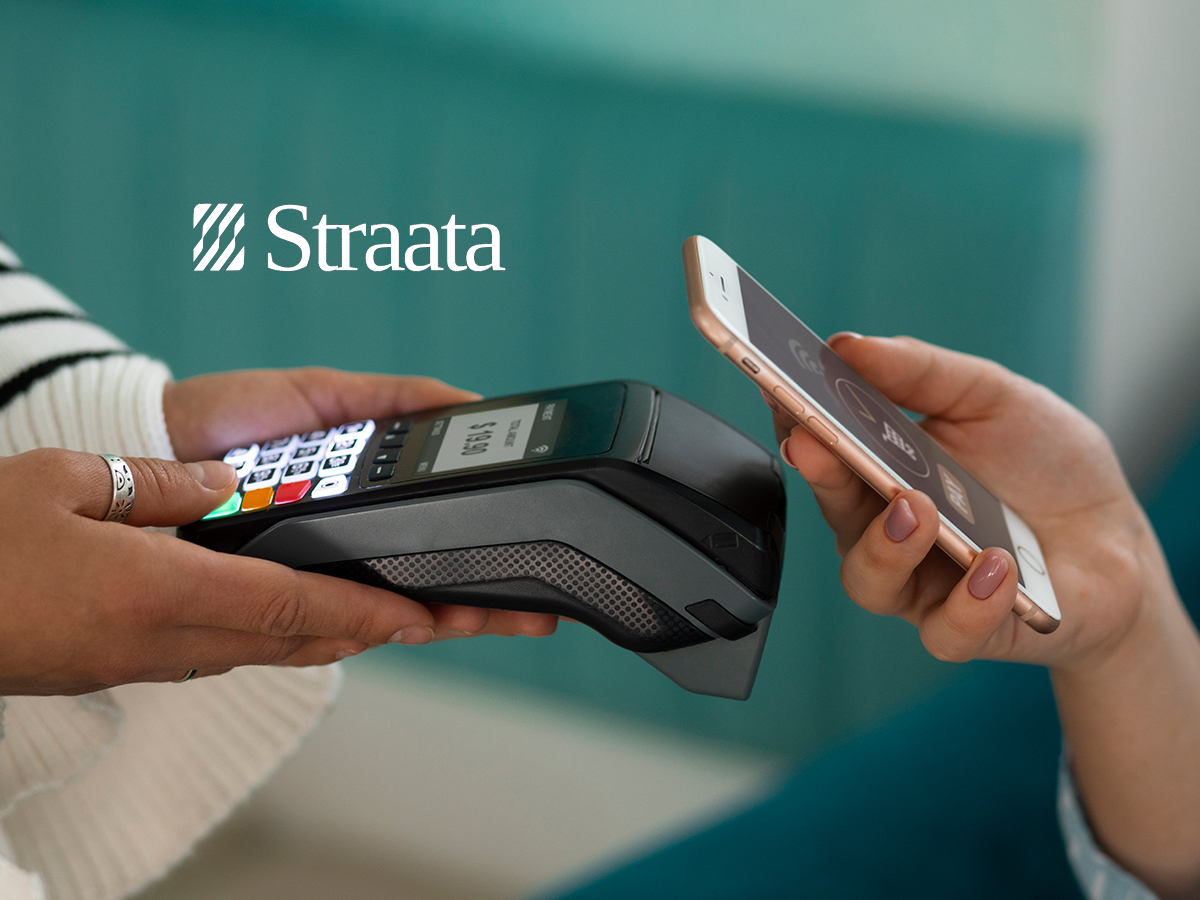
Utopaya, the embedded-payments advisory firm, has relaunched as Straata, an AI-native service designed to manage and optimize payments revenue growth for software platforms, ISOs and agents, banks, and processors. The rebrand reflects a broader industry shift in which advisory and consultancy firms are productizing institutional expertise through AI, moving from project-based engagements to scalable, technology-delivered services.
Payments represent one of the largest revenue lines these companies operate, yet it remains among the least instrumented. A typical software platform tracks metrics such as monthly recurring revenue (MRR), churn, and retention in real time, but often manages its highest-margin business line using little more than a spreadsheet. ISOs, agents, and banks regularly book residual income with no practical means of verifying its accuracy. According to Straata's benchmarks, 30 to 50 percent of payments revenue is effectively out of reach, and approximately one in two processor residual statements audited by the firm contains an error.
The scale of that gap matters as embedded payments continues to grow as a revenue line for software companies. Firms such as Shopify, Toast, and Procore have demonstrated that payments monetization can rival or exceed core subscription revenue, pushing more platforms to treat payments as a strategic business unit rather than an ancillary feature. Yet the payments value chain spans multiple intermediaries — processors, acquiring banks, card networks, and ISOs — each generating its own statements, fee schedules, and contract terms, which compounds the difficulty of tracking what is owed.
For most companies, the available options have traditionally been limited: hiring a full-time employee, engaging a consultant, or purchasing a payments intelligence dashboard. A senior payments hire costs between $400,000 and $600,000 on a loaded basis, takes six to twelve months to recruit, and still requires additional tooling or a supporting team. A consultant's recommendations tend to lose relevance quickly, and a dashboard identifies gaps but leaves the client responsible for closing them.
"Advice alone leaves you to execute it, and software alone leaves you to run it," said Brian Abernethy, Founder and CEO of Straata. "We do both, and we own the result. A small team of senior operators can now run a payments program for a fraction of a single hire."
Straata is built on nearly five years of Utopaya's work, concentrated in vertical software. The firm has completed more than 100 engagements across over 20 processors, analyzing more than $100 billion in annual payment volume. Over the past year, the company developed an AI-native platform so that its benchmarks, reconciliation methods, and negotiation playbooks are embedded in the technology rather than dependent on individual expertise. Straata extends the same program to ISOs and agents, banks, and processors, which operate on the same underlying mechanics.
The advisory work that established the firm remains a core offering. Contract negotiation, RFP and vendor selection, buy-side and sell-side diligence, and business case formation continue to be central services, now supported by the platform. Managed-service packages are also available to handle execution once recommendations are delivered.
Straata pairs senior payments operators with proprietary technology across five levers: commercial terms, commission verification, interchange optimization, merchant pricing, and product gaps. Its Payments Diagnostic transforms four data files into a graded Report Card within days of receiving the files. Clients can either execute the resulting roadmap independently or engage Straata to manage the process on their behalf.
The platform enables a small team to deliver what previously required ten people. Diagnostics and residual verification run simultaneously across all clients rather than on a per-engagement basis, contract scenarios are modeled consistently, and the data and integration barriers that typically impede payments teams are resolved once rather than repeatedly. The platform also allows Straata to integrate product changes directly into the outcomes for which it is accountable, rather than delivering a recommendation and leaving results to chance.
"The platform matters because of what it frees us to do," said Abernethy. "We can own outcomes no advisory firm could own before, and we get judged on the result. Every company is trying to apply AI to its own business, and most homegrown attempts stall before they change anything at scale. We spent a year building this one."

