'It's all talk': Stubborn Inflation and Rising Debt Put Trump and Republicans on the Defensive Ahead of the Midterms
Key Takeaways
- •Annual inflation stood at 3.7 percent in July, unchanged from June and nearly double the Federal Reserve's 2 percent target.
- •Fitch Ratings economist Olu Sonola described sustained price pressures on consumers as 'death by a thousand cuts.'
- •Trump escalated a tariff conflict with Canada this week, a dispute analysts say could raise prices for Americans.
- •The ongoing war with Iran has kept gasoline prices high and pushed the national debt above $40 trillion, unsettling bond markets and raising mortgage costs.
- •Brookings fellow Jessica Riedl dismissed Republican claims of spending cuts, noting debt-service costs are now among the government's largest expenses.
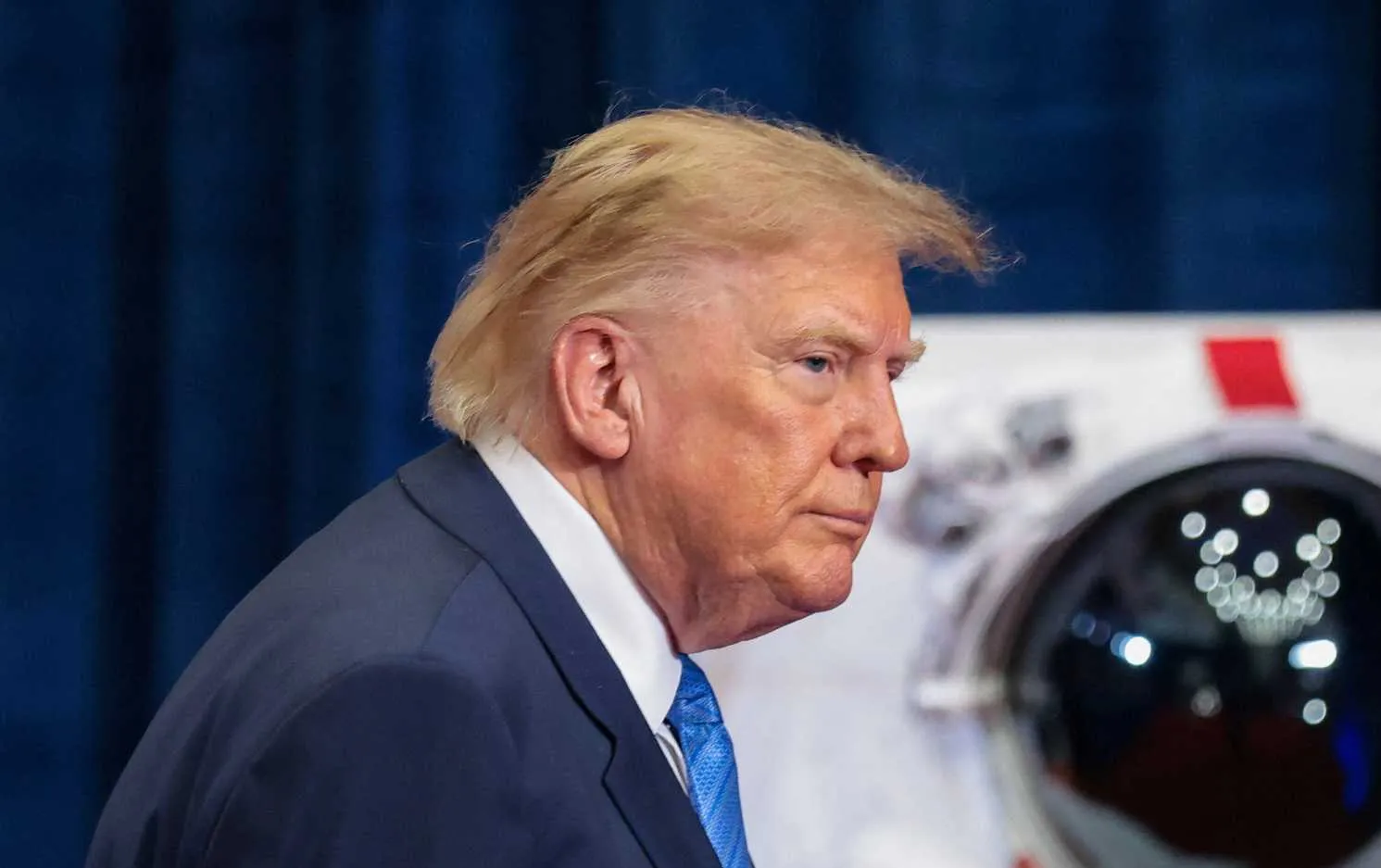
Unlike during President Donald Trump's first term, the president has now been set loose to pursue whatever idle policy he chooses — free of input from economists, analysts, and veteran specialists. Because he chose toadies over teachers, Trump has removed almost every guardrail in the White House, swapping careful deliberation and back-and-forth discourse with better minds for gut feeling and his own insular worldview.
The New York Times reports that the results of that approach are now creeping up on him and his Republican Party as the midterms come into view.
Olu Sonola, head of U.S. economics at Fitch Ratings, described the dynamic around persistently high prices in America as "death by a thousand cuts."
"The drip, drip, drip — week in and week out, month in and month out — has an impact," Sonola told the Times, pointing to a confluence of factors, from war to tariffs, that have surfaced over the past year. Those developments have exacerbated inflation, Sonola said, and, importantly, have shaded consumers' expectations about the state of the economy.
For Trump, the stakes are laid bare in a series of concerning economic snapshots released in recent weeks. That includes a key gauge of inflation, published on Wednesday, which found that prices in July rose by 3.7 percent compared with a year earlier. It was the same annualized rate as measured in June, illustrating that price pressures are stuck at a level well above the Fed's target — the Federal Reserve has long aimed for inflation of about 2 percent, meaning prices are rising at nearly twice the pace policymakers consider consistent with a stable economy.
It is a difficult position for a politician who clinched the White House a second time only thanks to the "financial frustration of a pandemic-weary electorate" that handed Trump and his fellow Republicans a rare supermajority in 2024. Midterm elections have historically been unkind to the party holding the White House, and incumbents facing voter frustration over living costs have often seen those anxieties translate directly at the ballot box.
It was with that supermajority, the Times reports, that Republicans promised to "defeat the scourge of inflation and slash the profligate government spending they saw as the root of the problem."
"But Mr. Trump's actions in last two years have complicated — if not undermined — those pledges," reports Times writer Tony Romm. "With two months until the midterms, some of his policies have prolonged or worsened the economic fortunes of those he promised to help. It began with a punishing global trade war, which exacerbated the nation's long quest to bring down the cost of living in the years following the pandemic. This week, the president escalated that offensive and took renewed aim at Canada, setting off a costly tariff tit-for-tat that could drive up prices for Americans."
Meanwhile, Trump's entirely voluntary war with Iran staggers on into its sixth-month anniversary on Friday, keeping gas prices sky high and pushing the national debt past $40 trillion. That, in turn, has roiled the bond market, making borrowing — including mortgages — more expensive for Americans.
Trump and his Republican allies claim to have cut spending, but Jessica Riedl, a budget and tax fellow at the Brookings Institution and former aide to a Republican senator, said, "It's all talk."
"Republicans always say, 'Give us control of government, and we'll slash spending.' They have control of government, and they have no excuse left," Riedl said, adding that the fiscal imbalance has worsened, as has the cost of servicing the debt, which now ranks among the government's largest expenses — pressed by a surge of new military spending and a package of tax cuts Trump and Republicans enacted last year.
Now, with fewer than 70 days until the midterms, Trump and Republicans are facing the inevitable consequences of their inaction as voters groan under the growing gap between their income and the amount of money they must spend each month for the same items.

