HMRC Agents to Inspect Mansion Features for Reeves' New Property Surcharge, Tories Decry 'Big Brother' Tax
Key Takeaways
- •HMRC agents will physically inspect homes to value them for the new 'mansion tax', departing from the desk-based methods used since council tax was introduced.
- •Homes worth more than £2m will face an annual surcharge of at least £2,500, rising to as much as £7,500 for properties valued above £5m.
- •The Conservatives obtained an HMRC Valuation Office Agency guide via a Freedom of Information request and accused the government of planning taxes on features like annexes, penthouses, pony paddocks and scenic views.
- •The new levy is expected to initially cost the Treasury money before generating around £400m a year by 2030, with four London boroughs — Wandsworth, Kensington and Chelsea, Richmond and Westminster — bearing an estimated £270m of that.
- •The mansion tax is scheduled to come into force in April 2028, amid ongoing controversy because council tax bands are still based on 1991 property values.
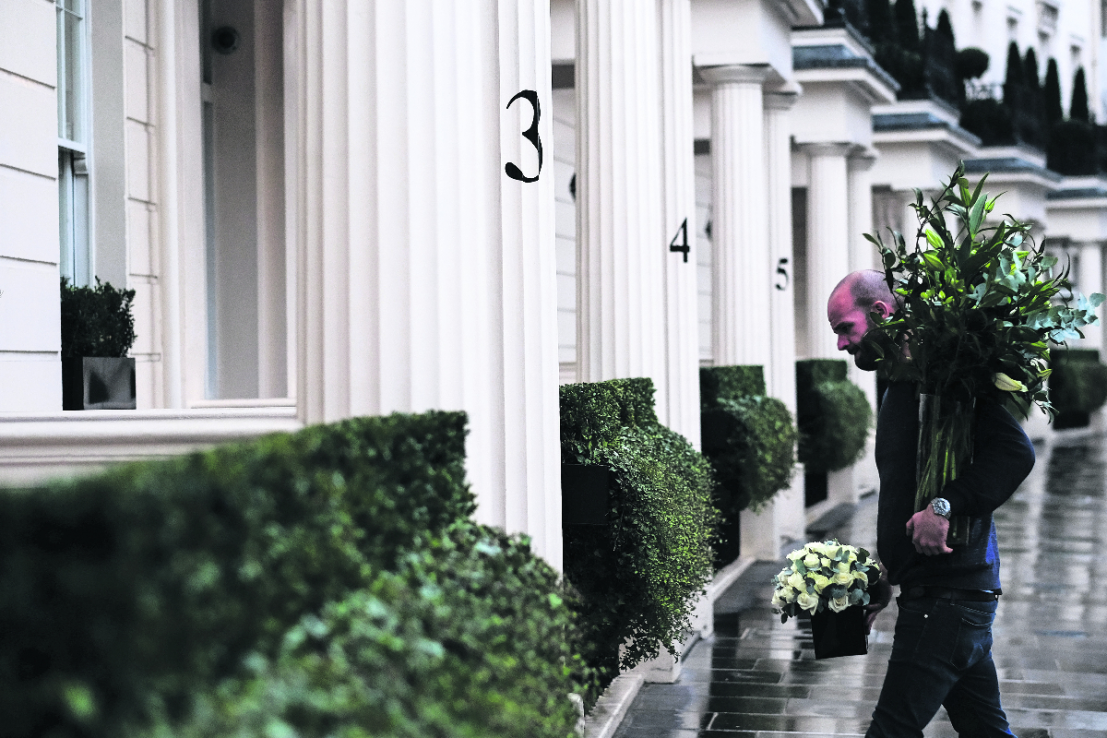
HMRC agents are preparing to inspect homes featuring ponies, scenic views and balconies as part of efforts to value properties for the so-called "mansion tax".
Officials will be dispatched to properties to assess architectural styles, the number of bedrooms, and whether homes include swimming pools or tennis courts, before determining whether they should be taxed at a higher rate. Physical inspection marks a departure from the desk-based valuation methods that have underpinned council tax since its introduction, when most homes were assessed without an inspector visiting the property.
The HMRC exercise comes after former Chancellor Rachel Reeves announced that homes worth more than £2m would face a surcharge of at least £2,500 a year, rising to as much as £7,500 for properties worth over £5m. The new tax is expected to result in a loss for the Treasury before delivering a £400m-a-year boost in receipts by 2030, and forms part of the government's wider effort to reform council tax.
A Freedom of Information request by the Conservatives has uncovered a guide used by agents at HMRC's Valuation Office Agency to determine property values. The agency, which advises government on property valuations, already maintains records on millions of homes across England and Wales for tax purposes. The Tories said the list exposes government plans to impose an "annex tax", "penthouse tax", "pony tax" and "scenic view tax".
The opposition party also labelled a planned database — which will use AI to value properties with the help of inspectors — as "Big Brother", a reference to the totalitarian figure in George Orwell's dystopian novel 1984. The row echoes earlier political battles over property levies, with proposals to tax high-value homes having repeatedly stalled in past decades amid fears of an electorate backlash.
HMRC plan is an 'invasion of privacy'
"Labour's plan to tax bedrooms, bathrooms and balconies confirms they will stop at nothing in their search for new ways to squeeze families for more cash," shadow chancellor Sir Mel Stride said.
"They are more than happy to invade the privacy of people's homes if it means they can take more money from hardworking people.
"This is another Labour tax on aspiration, carried out through alarmingly authoritarian means. The Conservatives will resist these plans and fight to keep tax on the family home down."
Conservative Party chairman Kevin Hollinrake described the plan to send HMRC agents to properties as "sinister" and a "huge invasion of privacy".
Council tax is still based on property valuations from 1992, and reforms have proved controversial, with concerns they could trigger public backlash and put some Labour and Tory constituency strongholds at risk. Successive governments have shied away from revaluing homes since the council tax bands in England were set using 1991 values, leaving a system in which properties in different parts of the country can pay similar bills despite wide gaps in value.
Some councillors have criticised Reeves' tax plans, which are due to come into force in April 2028. Council leaders in Wandsworth, Kensington and Chelsea, Richmond and Westminster warned that residents in those four London boroughs could pay around £270m of the estimated £400m gains from the new tax. The concentration of the levy in a small number of affluent London boroughs is likely to keep the political dispute alive in the run-up to the tax's introduction.
The government was approached for comment.
