State Department Takes 'Full Responsibility' After Map Mislabels Every African Country at International AIDS Conference
Key Takeaways
- •The U.S. State Department displayed a map at the International AIDS Conference in Rio de Janeiro that mislabeled all six African countries intended to showcase U.S. health funding investments.
- •Reuters analysis indicated the map carried a watermark suggesting it was generated using OpenAI, raising questions about quality oversight of AI tools in government presentations.
- •The State Department described the error as 'confusion' and stated it took full responsibility, noting that a team member had altered the slide deck before the presentation.
- •Jeff Graham, who oversees the PEPFAR initiative credited with saving over 25 million lives since 2003, was the speaker when the slide appeared.
- •The conference was simultaneously interrupted by protesters opposing the Trump administration's deep cuts to global HIV/AIDS programs.
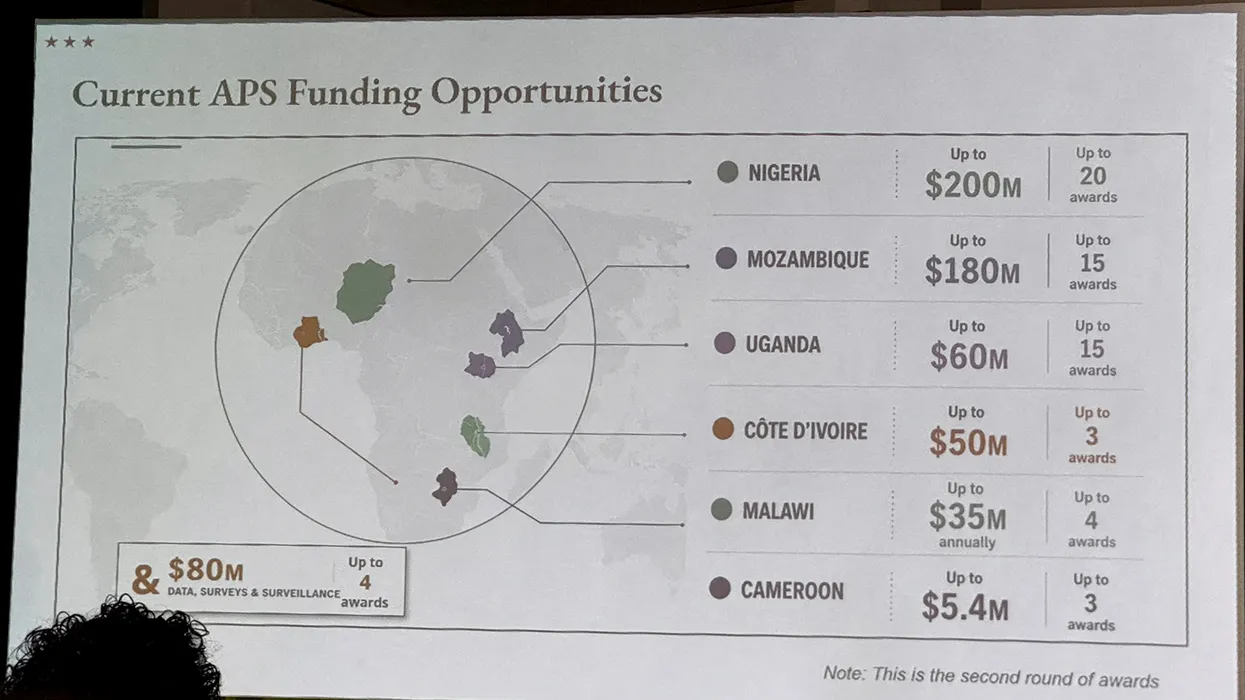
The U.S. State Department has assumed "full responsibility" after displaying a map of Africa at a major global health conference that incorrectly labeled every country it was intended to highlight for U.S. funding.
The incident occurred during the annual International AIDS Conference in Rio de Janeiro, Brazil, the world's largest gathering of HIV/AIDS researchers, policymakers, and advocates. The U.S. delegation unveiled a map showing six African countries and corresponding U.S. investments under the current Advancing Global Health Annual Program Statement (APS) funding framework. According to The New Republic, the errors were extensive.
"Nigeria drifted into the Sahara Desert, landlocked and lost; Mozambique was relocated to the eastern Horn of Africa; and the Ivory Coast, somehow, found itself nowhere near a coast," the report stated. "The map also included a country with no name."
The map was posted on X by Ana Lucia Araujo, PhD, showing lines drawn from labels on the right side of the image to their purportedly corresponding countries — with the exception of Cameroon, which was omitted entirely.
The slide appeared roughly halfway through the U.S. presentation, as State Department employees discussed new health agreements. The timing drew particular scrutiny given that former Donald Trump strategist Elon Musk has faced criticism over decisions to slash HIV/AIDS prevention funding in Africa through the dismantling of USAID last year, The New Republic reported separately. PEPFAR, the flagship U.S. program at the center of the presentation, has been widely credited with saving over 25 million lives since its creation in 2003, making the visual misrepresentation of its partner countries especially conspicuous at an international forum attended by officials from those nations.
Audience members, including high-level officials from several of the mislabeled countries, photographed the slide and circulated it widely on social media. Reuters conducted an analysis of the image and reported that it appeared to carry a watermark indicating it was generated by OpenAI. A photo shared on LinkedIn by journalist and AIDS expert Emily Bass garnered approximately 40,000 views, according to the same report. Reuters confirmed the map's authenticity by reviewing a video of the presentation. The apparent use of AI-generated imagery in an official U.S. government presentation at a premier global health stage adds to growing scrutiny of how agencies adopt generative tools without quality checks.
In a statement addressing the error, the State Department described it as "confusion" and said it took "full responsibility." Audience members reported that the map had been produced by another member of the team who altered the slide deck before the presentation began.
"Whoever created and approved this slide did not know where countries in Africa are and did not care to check their work," said Matt Petit of The Atlantic Council, whose work focuses on AI and geopolitics.
The speaker at the time was Jeff Graham, who serves as Trump's top U.S. health envoy and oversees the full initiative for the President's Emergency Plan for AIDS Relief (PEPFAR). The conference itself was interrupted by protesters angered over Trump's deep cuts to global HIV/AIDS programs — initiatives originally established by former President George W. Bush in 2003 and long hailed as a landmark in global health.

