South Korea Convenes Government-Industry Meeting Over US Polysilicon Tariffs
Key Takeaways
- •South Korea held a government-industry meeting chaired by Deputy Trade Minister Park Jung-sung to evaluate the impact of new US tariffs on polysilicon derivative products.
- •President Trump imposed a 15 percent tariff on polysilicon derivatives under Section 232 of the Trade Expansion Act of 1962, with the measure taking effect on December 4.
- •Polysilicon is a critical raw material used in both solar photovoltaic cells and semiconductor wafers, making the tariff relevant to two major South Korean export industries.
- •Samsung Electronics, which operates semiconductor fabrication plants in Texas and has major US investment commitments under the CHIPS Act, is among the Korean firms whose American supply chains could be affected.
- •The polysilicon tariff adds to prior US trade measures that have led South Korea to pursue exemptions and coordinated industry responses across steel, automobile, and semiconductor sectors.
South Korea's Ministry of Trade, Industry and Energy convened a meeting on Tuesday with relevant ministries and private-sector companies to assess the impact of newly announced United States tariffs on polysilicon derivative products and to explore possible countermeasures.
The session was presided over by Deputy Minister for Trade Park Jung-sung. Attendees included officials from the Ministry of Climate, Energy and Environment, as well as representatives from Samsung Electronics Co., OCI Company Ltd. — a key materials supplier — and other related companies.
According to a press release issued by the Ministry of Trade, Industry and Energy, participants discussed steps to minimize the fallout from Washington's latest trade measures. The discussions included evaluating the potential effects on Korean companies' exports and on the supply chains of Korean firms operating in the United States.
"The government will make every effort to provide timely and targeted support for local businesses," Park said.
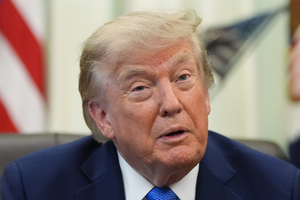
The meeting was convened in response to a proclamation signed last week by US President Donald Trump imposing a 15 percent tariff on polysilicon derivative products. The new trade measure is scheduled to take effect at 12:01 a.m. on Dec. 4.
Polysilicon is a critical feedstock for both solar photovoltaic cells and semiconductor wafers, making the tariff relevant across two of South Korea's flagship export sectors. Samsung Electronics, which operates semiconductor fabrication plants in Texas and has committed to major US manufacturing investments under the US CHIPS Act, counts among the Korean firms whose American supply chains could be affected by higher input costs.
Trump invoked Section 232 of the Trade Expansion Act of 1962, a statute that grants the president authority to adjust imports when he determines they threaten to impair national security. The tariff adds to a series of US trade measures that have prompted Seoul to seek exemptions and coordinate industry responses across sectors including steel, automobiles, and semiconductors. (Yonhap)

