Acting Top Prosecutor Offers Resignation After National Assembly Passes Bill Stripping Prosecution of Investigative Powers
Key Takeaways
- •The National Assembly passed the revised Criminal Procedure Act by a vote of 175-2 with one abstention, removing prosecutors' authority to conduct direct and supplementary investigations.
- •Acting Prosecutor General Koo Ja-hyeon stepped down to take responsibility for the bill's passage and urged the government to review it carefully for potential policy gaps.
- •Under the new framework, prosecutors may only request that judicial police officers carry out supplementary investigations on their behalf.
- •The ruling DPK supports separating investigative and prosecutorial powers, while the opposition PPP argues the change could undermine complex cases involving corruption and financial crimes.
- •South Korea's prosecution service has historically held both investigative and indicting powers, a structure that successive administrations have sought to reform due to concerns over concentrated authority.
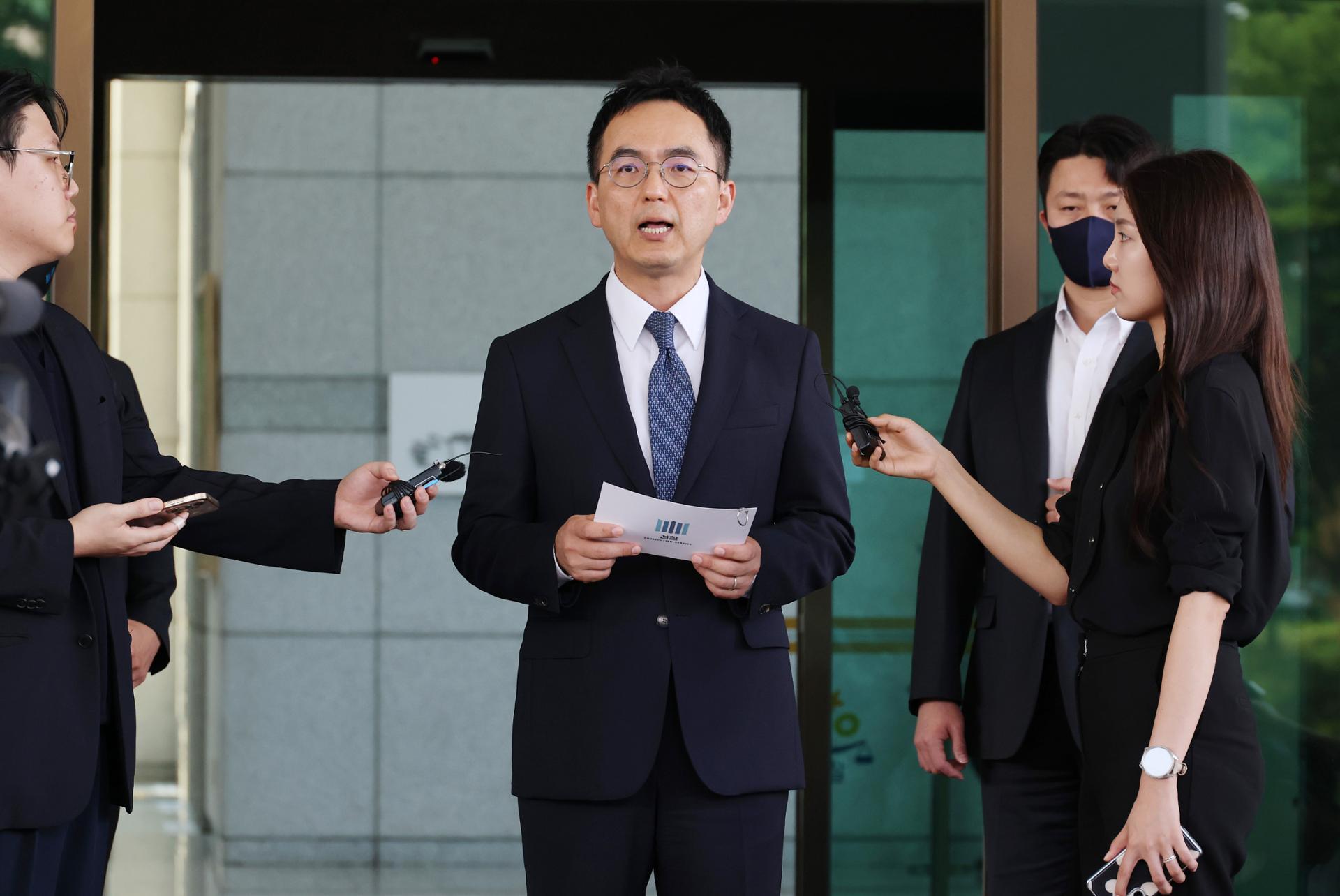
Acting Prosecutor General Koo Ja-hyeon announced his resignation on Friday, shortly after South Korea's National Assembly — led by the ruling Democratic Party of Korea (DPK) — passed a bill that would abolish the prosecution's authority to conduct direct investigations.
Speaking to reporters Friday evening, Koo said he tendered his resignation to "take responsibility" for the passage of the contested legislation.
The revision to the Criminal Procedure Act cleared a plenary session in a 175–2 vote, with one abstention. The vote followed the Assembly's approval of a motion to end a filibuster launched by the main opposition People Power Party (PPP) the previous day.
Under the revised law, prosecutors will lose their authority to carry out direct investigations, including supplementary investigations. Instead, they will be permitted to request that judicial police officers conduct supplementary investigations on their behalf.
South Korea's prosecution service has long wielded both investigative and indicting authority, a structure that sets it apart from many comparable democracies where police handle criminal investigations and prosecutors focus on charging decisions. Successive administrations across the political spectrum have pursued reforms aimed at curtailing the prosecution's reach, reflecting persistent public concerns about the concentration of power within the agency.
Koo acknowledged the need for the prosecution to reflect on its failure to earn public trust, but cautioned that reform should not undermine the institution's fundamental mission of uncovering the substantive truth and protecting victims.
He reiterated his concerns about the revision, noting that it would force prosecutors to rely solely on investigative records when deciding whether to indict, thereby making it more difficult to safeguard victims' interests.
"The revision was passed, without such considerations, and I cannot hide my disappointment and despair," Koo said.
He called on the government to carefully review the bill if it is transmitted for final approval: "Even if the bill is sent to the government, I sincerely urge for a review to ensure that it does not create any policy gaps or fall short of protecting the public."
The bill represents a significant shift in South Korea's criminal justice system, transferring core investigative authority from the prosecution service to the police. The DPK has long advocated for separating prosecution and investigation powers, arguing that the current structure concentrates too much authority in the hands of prosecutors. The PPP has opposed the measure, contending it could weaken the justice system's ability to pursue complex cases, particularly those involving financial crimes, corruption, and high-level officials.
Source: The Korea Times

