South Korea Targets Large-Scale Green Ship Recycling Hub
Key Takeaways
- •Elegant Exit Company, RM Company, and ISSAC Green Tech have signed an MOU to develop a major ship recycling facility in South Korea capable of processing large oceangoing vessels.
- •The Hong Kong Convention on ship recycling entered into force in June 2025, establishing global requirements for hazardous material inventories, contained dismantling environments, and worker protections.
- •South Korea formally acceded to the Hong Kong Convention in December, binding its domestic recycling industry to the new international standards.
- •Japan's NYK and Oono Development are developing a separate ship recycling operation in Chita, Aichi Prefecture, targeting a 2028 launch with annual capacity of approximately 300,000 tonnes.
- •Elegant Exit Company ordered six plus six large floating drydocks in 2024 for recycling operations within and beyond OECD member states, aligning with EU Ship Recycling Regulation requirements that channel demand toward approved facilities.
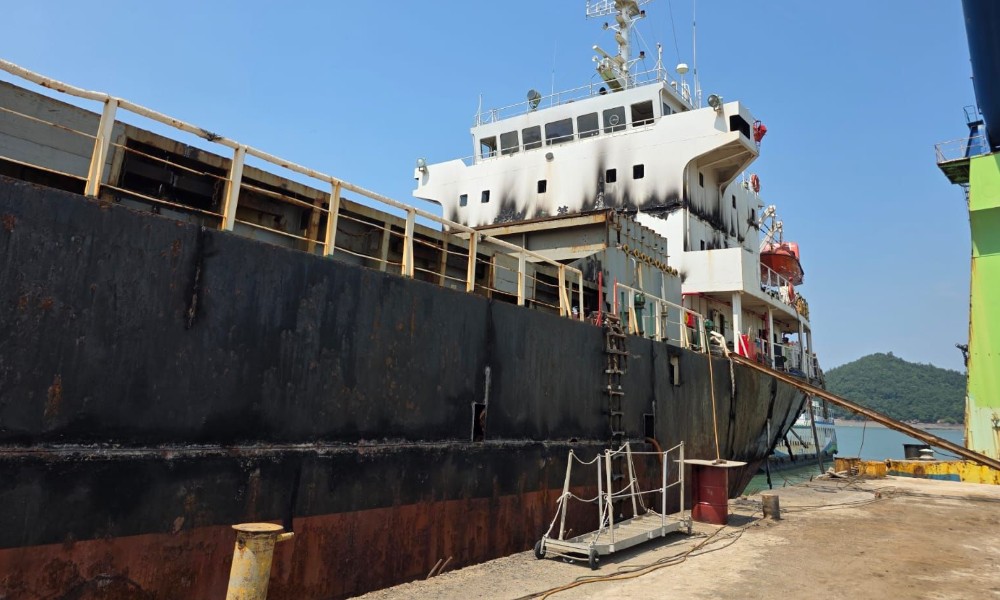
South Korea is advancing efforts to carve out a bigger role in environmentally sustainable ship recycling, as three companies join forces to build a facility they say could rank among Asia's largest dismantling hubs. The move reflects a broader industry shift as new international regulations push dismantling activity toward compliant facilities, challenging the long-standing dominance of South Asian beaching yards that handle the majority of the world's end-of-life vessels but have drawn sustained scrutiny over environmental contamination and hazardous labor conditions.
Elegant Exit Company has signed a memorandum of understanding with domestic recycler RM Company and ISSAC Green Tech to develop a site capable of processing large oceangoing vessels. The partnership would combine RM's established recycling operations with floating drydock and automation technologies supplied by ISSAC Green Tech. The companies have not disclosed financial details, processing capacity, a specific location, or a target operational date.
RM Company currently runs Sungha Shipyard, which it describes as South Korea's largest ship dismantling facility. The recycler has developed a coastal scrap logistics network and operates heavy guillotine cutting equipment capable of slicing through steel plate up to 60 mm thick.
The agreement marks a continuation of Elegant Exit's broader strategy to industrialize ship recycling. The company previously conducted a pilot dismantling project at ASRY in Bahrain, and in 2024 placed an order for six plus six large floating drydocks intended for recycling operations both within and beyond OECD member states. The emphasis on OECD jurisdictions aligns with the EU Ship Recycling Regulation, which requires EU-flagged vessels to be dismantled at approved facilities included on the European Commission's list of compliant yards, a requirement that has channeled demand toward OECD-based operations.
South Korea's initiative comes as another major Asian maritime nation pursues similar ambitions. In Japan, NYK and Oono Development are working toward a 2028 launch of a ship recycling operation in Chita, Aichi Prefecture. That facility is designed to handle approximately 300,000 tonnes per year, equivalent to roughly 20 Panamax-sized ships. Its 810-meter drydock can accommodate two VLCCs simultaneously, with the partners planning to deploy heavy machinery and automated systems to compensate for Japan's elevated labor costs and workforce shortages.
Both projects follow the entry into force of the Hong Kong Convention on ship recycling in June 2025, which established a global regulatory framework for environmental protection and worker safety at dismantling facilities. South Korea formally acceded to the convention in December, binding its domestic recycling industry to the new international standards. The convention's requirements for hazardous material inventories, contained dismantling environments, and worker protections are reshaping competitive dynamics in a global ship recycling market that has historically been concentrated in India, Bangladesh, and Pakistan, where cost advantages from tidal beaching methods have outweighed compliance pressures.

