South Korean Police to Transfer Cases Involving Officers' Family Members to Other Branches
Key Takeaways
- •A revised Criminal Procedure Act approved by South Korea's Cabinet will remove prosecutors' authority to conduct direct investigations and consolidate all investigative power within the police starting October 2.
- •The police agency plans to introduce a policy by early September requiring that cases involving officers' family members be handled by branches where the relevant officer does not serve.
- •Additional reform measures under consideration include establishing a dedicated internal audit unit, increasing the number of investigative officers, and reducing personnel assigned to monitor illegal protests.
- •The overhaul represents the culmination of a years-long debate over investigative authority between police and prosecutors in South Korea's criminal justice system.
- •Public concern has emerged that concentrating investigative power solely in the police without prosecutorial oversight could affect the quality and impartiality of criminal investigations.
South Korean Police to Transfer Cases Involving Officers' Family Members to Other Branches
Published Aug. 7, 2026, 6:43 p.m. KST
South Korea's police agency on Friday discussed a series of measures designed to bolster the fairness of criminal investigations, including a plan to transfer cases involving family members of police officers to branches where the relevant officer does not serve.
The proposal is part of broader preparations for a landmark revision to the Criminal Procedure Act, which was approved by the Cabinet for promulgation. The amendment removes prosecutors' authority to conduct direct investigation — including supplementary investigation — and consolidates all investigative power exclusively within the police. The revised law is scheduled to take effect on October 2.
The overhaul represents the culmination of a years-long debate in South Korea over how to divide investigative authority between police and prosecutors — a structural feature of the country's criminal justice system that reform advocates have argued was overdue for change. Earlier rounds of adjustments had incrementally expanded police autonomy, but the upcoming revision goes further by fully ending the prosecutors' longstanding role in leading criminal investigations.
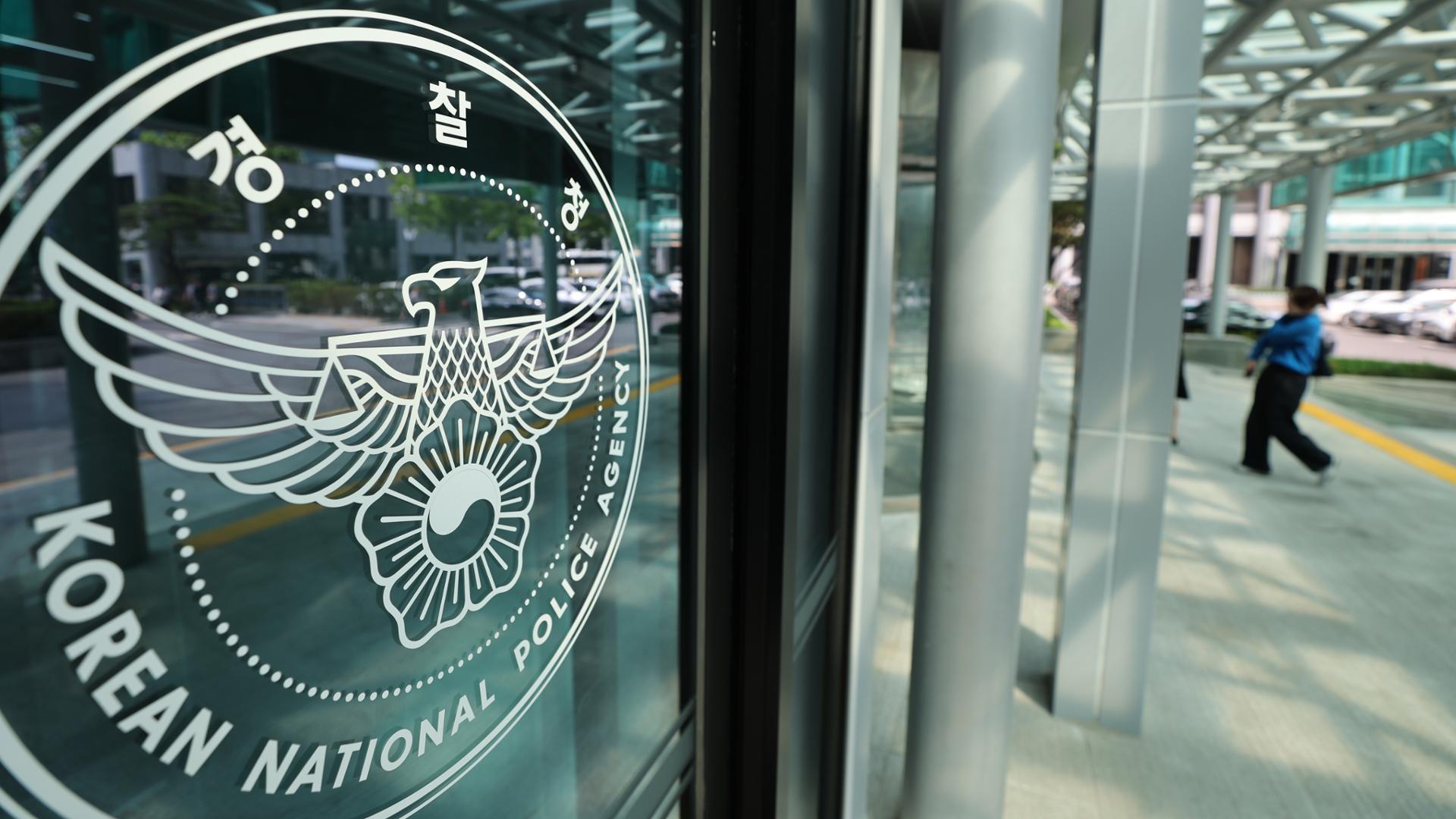
The envisioned family-member transfer policy, which the police aim to introduce by early September, was among multiple reform measures discussed during a meeting at the National Police Agency headquarters in Seoul's Seodaemun District. The meeting focused on ensuring the force is prepared for the impending shift in investigative authority.
Additional measures under consideration include establishing a dedicated internal audit unit to investigate irregularities, expanding the overall number of investigative officers, and reducing personnel currently dispatched to monitor illegal protests.
The Criminal Procedure Act revision has sparked public concern that concentrating investigative power solely in the hands of the police — without the previous layer of prosecutorial oversight — could compromise the overall quality and impartiality of criminal investigations in South Korea. How effectively the police's new internal safeguards, such as the family-member transfer rule and the audit unit, function in practice is expected to draw scrutiny once the revised law takes effect.
