South Korea's Nominal GDP Grows at Fastest Pace in 47 Years in Q2
Key Takeaways
- •South Korea's nominal GDP grew 9.2 percent on-quarter and 26.4 percent on-year in the second quarter, the sharpest growth since the third quarter of 1979.
- •Real GDP rose 0.6 percent in the April-June period, matching the Bank of Korea's earlier estimate, with yearly growth of 3.7 percent.
- •Exports increased 1.3 percent on-quarter, supported by semiconductor, machinery and equipment demand, though this slowed from 5.9 percent growth in the first quarter.
- •Real gross national income rose 15.6 percent on-year, the steepest gain since the fourth quarter of 1988.
- •The Bank of Korea revised up its 2026 growth estimate to 3.3 percent, citing exports driven by the ongoing semiconductor super cycle.
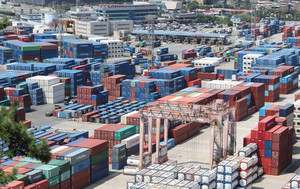
South Korea's nominal gross domestic product grew at its fastest pace in 47 years during the second quarter, driven by strong exports and investment related to artificial intelligence, according to central bank data released Tuesday.
Real GDP, a key measure of economic growth, rose 0.6 percent in the April-June period compared with three months earlier, preliminary data from the Bank of Korea showed. The on-quarter figure matched the BOK's earlier estimate released last month, though the central bank revised up growth in construction investment and intellectual property investment by 0.1 percentage point each, while cutting government consumption growth by 0.1 percentage point. Unlike the real figure, which strips out price changes, nominal GDP reflects current-price output, so the wide gap between the two measures indicates that price factors, including asset and semiconductor-related price movements, played a significant role in the headline nominal surge.
Asia's fourth-largest economy contracted 0.1 percent in the fourth quarter of last year before rebounding 1.8 percent in the first quarter. On a yearly basis, the economy expanded 3.7 percent in the second quarter, extending its growth momentum after growing 3.8 percent on-year in the first quarter.
Exports advanced 1.3 percent from the previous quarter, supported by robust global demand for semiconductors, machinery and equipment, though the figure slowed from a 5.9 percent increase in the first quarter. Semiconductors are a cornerstone of the Korean economy, with memory chips from companies such as Samsung Electronics and SK hynix long ranking among the country's top exports, which makes overall growth sensitive to global chip demand cycles. Facility investment grew 0.2 percent and intellectual property investment gained 3.4 percent, while construction investment fell 0.1 percent.
Private consumption increased 0.4 percent, and government spending climbed 0.1 percent.
On a nominal basis, GDP grew 9.2 percent in the three-month period that ended in June from three months earlier and expanded 26.4 percent from a year earlier, marking the sharpest growth since the third quarter of 1979, when the economy surged 27.7 percent on-year.
The central bank data also showed that per capita gross national income rose 8.8 percent on a nominal basis from a quarter earlier and 26.4 percent from a year earlier. Real GNI rose 3.1 percent from a quarter earlier and 15.6 percent from a year earlier, the steepest growth since the fourth quarter of 1988, when real GNI jumped 15.7 percent on-year.
Based on the continuing growth momentum, the central bank earlier revised up its 2026 growth estimate to 3.3 percent, citing solid exports driven by the ongoing semiconductor super cycle. How durable the AI-driven chip demand proves to be, and whether the slowdown in quarterly export growth from the first quarter's pace continues, are among the factors likely to shape the outlook for the trade-dependent economy. (Yonhap)
