Iran Reportedly Test-Fires Mach 12 Hypersonic Missile Over US Carrier as Ukraine Ceasefire Collapses
Key Takeaways
- •Iran reportedly test-fired a hypersonic missile capable of roughly Mach 12 over an American aircraft carrier.
- •The test occurred amid heightened tensions between Iran and the United States, including prior exchanges of missile and drone fire.
- •A temporary ceasefire in Ukraine broke down around the same time, with renewed missile attacks on Kyiv.
- •Hypersonic weapons exceed Mach 5 and maneuver unpredictably, making them hard to intercept with existing missile-defense systems.
- •The developments may raise the risk of broader military confrontations involving NATO and Russia, with markets watching for a potential clash by end of 2026.
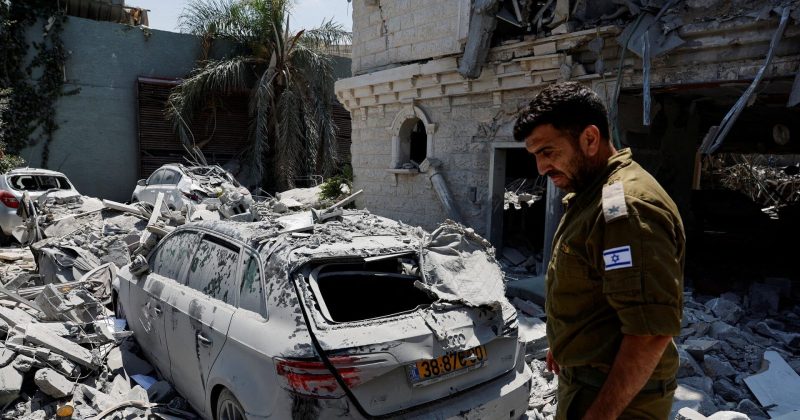
Iran has reportedly test-fired a hypersonic missile capable of travelling at roughly Mach 12 — around twelve times the speed of sound — over an American aircraft carrier, according to reports. The test comes amid escalating tensions between Iran and the United States, which have included prior direct exchanges of missile and drone fire and periodic U.S. carrier deployments to the region.
The reported launch coincided with the breakdown of a temporary ceasefire in Ukraine, which ended with renewed missile attacks on Kyiv. Taken together, the two developments point to intensifying conflict in both the Middle East and Eastern Europe, with potential implications for global security dynamics.
The missile test is viewed as a significant demonstration of Iran's military capability. Hypersonic weapons, which travel at speeds above Mach 5 and maneuver along unpredictable trajectories, are considered difficult to intercept with existing missile-defense systems. Iran has previously claimed hypersonic capabilities with its Fattah missile family, which it unveiled in 2023, though independent verification of Iranian performance claims has often been limited. The test also fits a broader hypersonic arms competition: the United States, Russia, and China have all pursued hypersonic programs in recent years, and carrier strike groups rely on layered defenses — such as the Aegis system and interceptor missiles — that were largely designed against slower, more predictable ballistic threats.
The resumption of hostilities in Ukraine, meanwhile, underscores the fragility of the peace efforts that had briefly paused fighting between Russia and Ukraine. Ukraine's air defenses, heavily reliant on Western-supplied systems such as Patriot batteries, have been repeatedly tested by massed missile and drone strikes during the war.
Key Takeaways
The hypersonic missile test over a U.S. carrier suggests increased tensions in the Middle East.
The renewed missile attacks on Kyiv appear consistent with an escalating conflict in Ukraine, undermining recent ceasefire efforts.
The combined developments may indicate a heightened risk of broader military confrontations involving NATO and Russia.
What to Watch
Observers will be closely monitoring the response from the United States and NATO to Iran's missile test, as it may influence military posture in the region. The trajectory of the conflict in Ukraine also remains uncertain, with potential implications for NATO-Russia relations.
Any significant military actions or diplomatic engagements could alter current market perceptions regarding the likelihood of a NATO-Russia military clash by the end of 2026.
