Labor Deregulation Push for South Korea's Megaproject Zones Draws Union Backlash
Key Takeaways
- •The South Korean government is drafting proposals to exempt megaproject zones from four major labor regulations under a special act governing Gwangju chip cluster projects.
- •Proposed exemptions would lift the 52-hour workweek cap for semiconductor R&D staff and extend the maximum fixed-term contract period from two years to four.
- •Business groups have long advocated for such labor flexibility changes, arguing that companies in globally competitive industries require fewer regulatory constraints.
- •The KCTU and FKTU, two major labor umbrella organizations, oppose the deregulation, warning it would produce poor-quality jobs and weaken established labor standards.
- •The ruling Democratic Party and the Ministry of Employment and Labor state that no specific provisions have been finalized and lawmakers remain divided on the proposals.
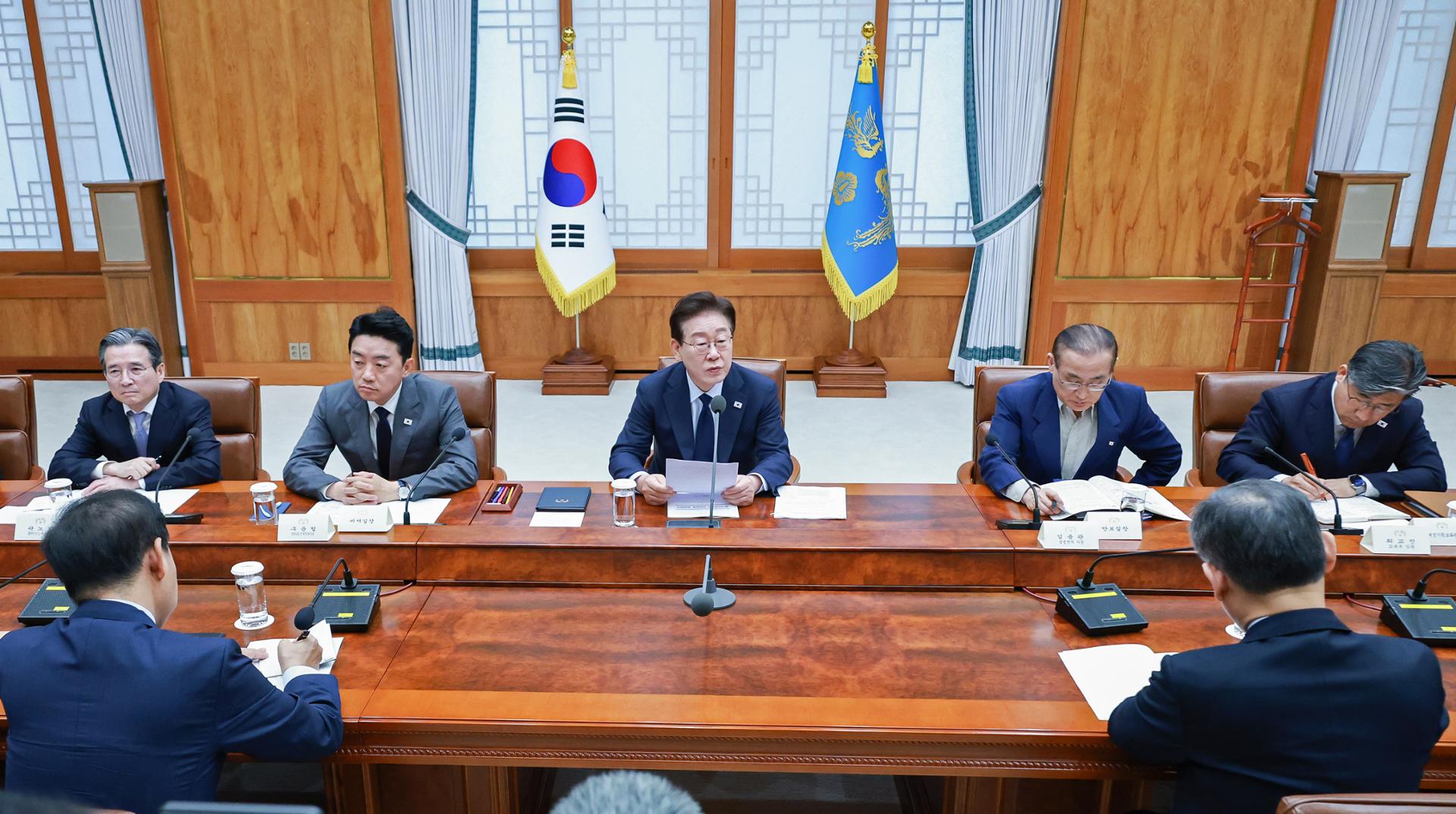
The South Korean government is considering easing several key labor regulations to support its flagship semiconductor and artificial intelligence megaprojects, drawing sharp criticism from labor groups that accuse it of prioritizing strategic industries over workers' rights.
The push comes amid intensifying global competition in semiconductors, with countries including the United States, the European Union, Japan, and Taiwan launching major industrial policies to bolster domestic chip production. South Korea, home to Samsung Electronics and SK Hynix — the world's two largest memory chipmakers — views semiconductors as a pillar of its export-driven economy.
According to multiple sources in labor and political circles, the government is working on proposals to exempt megaproject zones from four major labor regulations under a planned special act governing chip cluster projects in the Gwangju region.
The proposed exemptions include lifting the 52-hour workweek cap — a reform implemented in 2018 to address South Korea's standing among OECD nations with the longest working hours — for semiconductor research and development personnel and extending the maximum fixed-term contract period before temporary employees must be converted to regular staff from two years to four. They also call for increasing the number of job categories eligible for dispatched workers — a form of non-regular employment — and extending the flexible working hour system from one month to six months, which would allow more intensive workloads during condensed periods while technically maintaining the 52-hour weekly limit.
The Ministry of Trade, Industry and Energy has been drafting the proposals based on suggestions from business groups since the megaproject initiative was unveiled on June 29, according to sources. Business groups have long advocated for such changes, contending that companies in rapidly evolving, globally competitive industries require greater labor flexibility.
The proposals, however, immediately drew backlash from the labor side — a reaction that is particularly notable given President Lee Jae Myung's administration and the ruling Democratic Party of Korea (DPK) taking a leading role earlier this year in excluding a 52-hour workweek exemption from a separate special bill targeting the chip industry.
Labor unions argue the deregulation would subject workers to excessive hours and create only "bad jobs" in the proposed zones.
The Korean Confederation of Trade Unions (KCTU), an umbrella labor organization, said in a statement Friday: "The megaproject zones will produce neither future-oriented jobs nor good jobs," if employment in those areas is based on four-year temporary contracts, expanded use of dispatched workers, and long working hours without overtime pay.
The Federation of Korean Trade Unions (FKTU), another major umbrella group, issued its own warning: "If exceptions to labor protections designed to safeguard workers' health and job security begin to be allowed simply because they apply to the megaproject zones, those exceptions will inevitably become the norm." The FKTU urged the government to "immediately halt legislation that undermines labor standards."
The DPK said no decision has been made and acknowledged that lawmakers remain divided over the proposals, a split that mirrors the broader tension governments worldwide face between advancing industrial competitiveness and protecting worker rights as they race to build domestic semiconductor capacity.
The Ministry of Employment and Labor also stressed that the proposals have not been adopted as government policy.
"At the request of lawmakers of the National Assembly's Climate, Energy, Environment and Labor Committees, we briefed them on various demands and the positions of interested groups," a ministry official said. "But no specific provisions have yet been finalized for the special act."
The official said the ministry will support the legislative process once the bill's details are finalized and it is formally introduced, after which it will face National Assembly committee review and floor votes that will determine whether the proposed labor exemptions survive in their current form.

