South Korea's Economic Recovery Strengthens on Robust Exports and Rising Consumption
Key Takeaways
- •The finance ministry upgraded South Korea’s economic assessment from recovery “solidifying” to “strengthening.”
- •July exports rose 62.8% from a year earlier to $98.9 billion, the second-largest monthly figure on record.
- •Retail sales increased 2.7% in June from the previous month, and consumer sentiment remained positive for a third straight month in July.
- •Consumer price inflation slowed to 2.8% in July from 3.2% in June.
- •The ministry said it will monitor supply, demand and inflation while pushing its second-half economic policy plan.
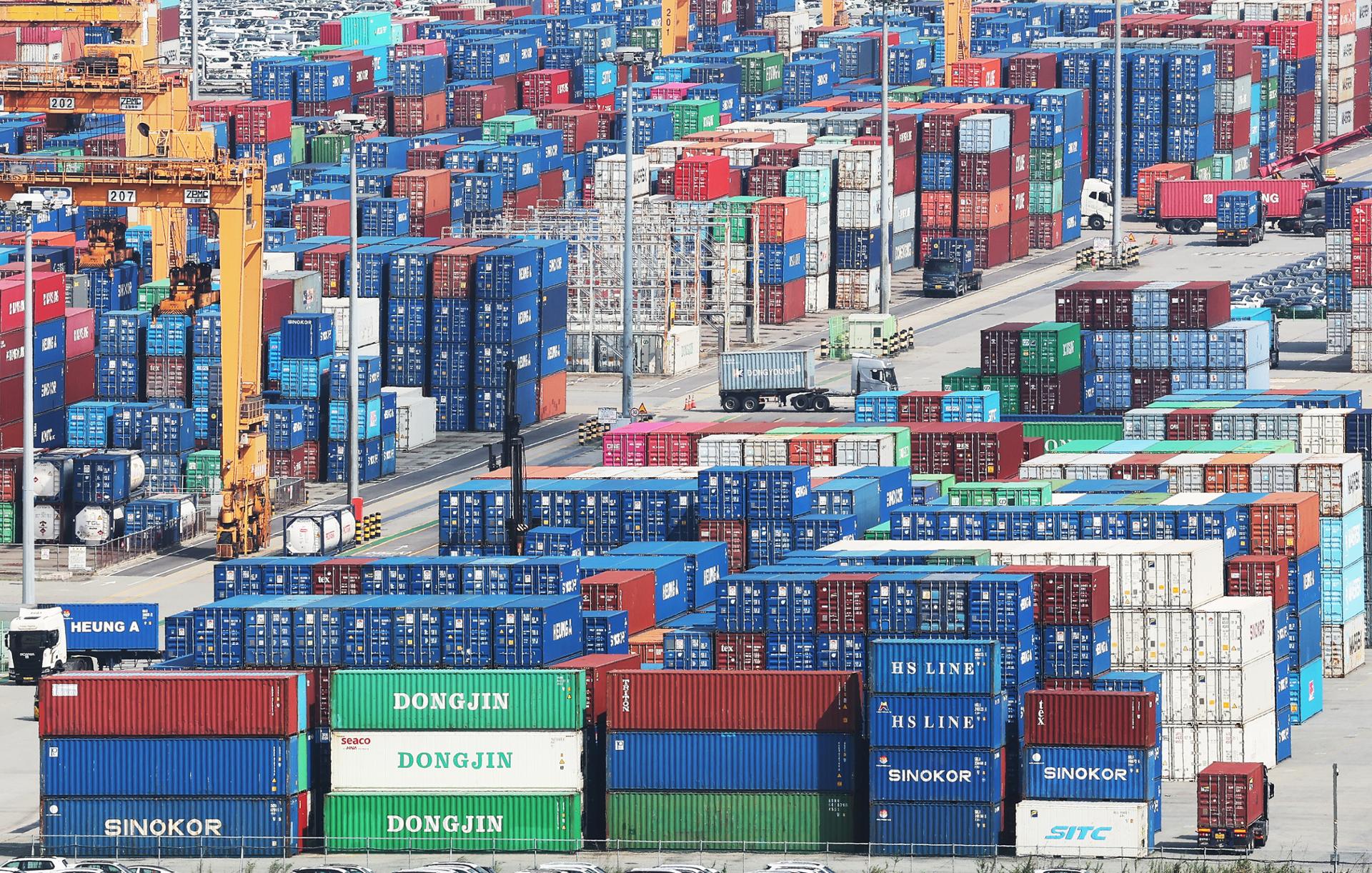
South Korea's economic recovery is gaining momentum, driven by robust export growth and improving domestic consumption, according to the Ministry of Economy and Finance's monthly assessment report, known as the Green Book, released Friday.
"Recently, the Korean economy has seen its recovery strengthen, with exports rising sharply and domestic demand, including consumption, showing signs of improvement," the ministry stated.
The latest report marks an upgrade from the previous month's assessment, which had described the recovery as "solidifying." The ministry now characterizes the trend as "strengthening," reflecting improved performance across multiple economic indicators.
South Korea, Asia's fourth-largest economy and one of the most trade-dependent major nations with exports equivalent to roughly half of its GDP, is often viewed as a bellwether for global demand. The latest figures reinforce signs that the country is emerging from a prolonged export downturn that weighed on growth through much of 2023.
In July, South Korea's monthly exports surged 62.8 percent year-on-year to $98.9 billion, marking the second-largest monthly figure on record, following June's all-time high of $102.2 billion. The back-to-back record-level readings underscore the broad-based nature of the rebound, led by semiconductors, automobiles, and other key export categories.
Domestic demand also showed positive momentum. Retail sales rose 2.7 percent in June from the previous month, fueled by strong demand for durable goods. Consumer sentiment remained positive for the third consecutive month in July.
On the inflation front, consumer prices increased 2.8 percent in July, decelerating from a 3.2 percent rise in June. The slowdown was attributed to falling oil prices following a short-lived ceasefire in the Middle East. The deceleration could provide the Bank of Korea with additional flexibility on monetary policy, though policymakers have flagged geopolitical risks as a factor warranting continued caution.
Despite the positive indicators, the ministry cautioned that burdens on people's livelihoods persist. Inflationary pressures from high oil prices and difficult employment conditions for vulnerable groups and sectors remain concerns amid lingering uncertainty stemming from the Middle East conflict.
"In order to minimize the impact of the Middle East war, we intend to focus our efforts on stabilizing livelihoods by monitoring the supply and demand of major items, as well as inflation," the report said.
"We also plan to promptly implement the second-half economic policy plan, focusing on boosting potential growth and addressing structural challenges, such as disparities," it added.

