South Korea Shows Clearer Signs of Economic Recovery, Finance Minister Says
Key Takeaways
- •Finance Minister Koo Yun-cheol said South Korea's per capita gross national income is expected to surpass $40,000 this year as the economic recovery becomes increasingly evident.
- •Nominal GDP grew in the second quarter at its fastest pace in 47 years, according to the finance minister.
- •The government will announce detailed measures in the fourth quarter to revamp the steel industry, incorporating AI technology into production and pursuing a green transition.
- •Officials discussed converting vacant space at knowledge industry centers into public housing for young people and newlyweds, while planning to broaden eligible businesses by shifting to a list specifying only prohibited industries.
- •The meeting reviewed ways to combat trade-related financial crimes, including falsifying export records to obtain subsidies and disguising low-priced imports as domestically produced goods.
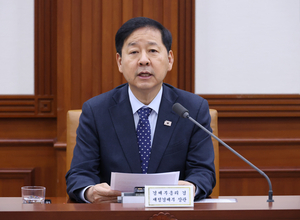
South Korea is showing increasingly clear signs of economic recovery, with gross national income (GNI) per capita on track to surpass $40,000 this year, Finance Minister Koo Yun-cheol said Thursday.
Speaking at a meeting of economy-related ministers, Koo noted that nominal gross domestic product (GDP) in Asia's fourth-largest economy grew in the second quarter at its fastest pace in 47 years. GDP measures the value of production within a country, while GNI refers to the total income earned by a country's residents, both at home and abroad. Nominal GDP is not adjusted for inflation, so the growth figure captures changes in both output and prices, while per capita GNI is widely used as a yardstick of average living standards and of where South Korea stands relative to advanced-economy peers.
"The South Korean economy's recovery is becoming increasingly evident," Koo said in his opening remarks. "Amid challenging circumstances, our economy is heading more clearly than ever toward recovery and growth."
Steel industry overhaul
The meeting also addressed plans to revamp South Korea's steel industry, including the incorporation of artificial intelligence (AI) technology into production processes and a pursuit of a green transition. Koo said detailed measures will be announced in the fourth quarter. Steel is a cornerstone of the country's manufacturing base, supplying industries from shipbuilding to automobiles and construction, and the fourth-quarter announcement is the only item from the meeting with a stated timeline.
Housing and industrial space measures
Participants also discussed converting vacant space at knowledge industry centers — business complexes designed to support small businesses — into public housing for young people and newlyweds. Additionally, the government plans to allow a wider range of businesses to move into the centers by replacing the current list of permitted industries with one specifying only prohibited industries, Koo added. Because the housing plan targets space that is already vacant, it would reuse existing buildings rather than require new construction, though no timeline or scale for the conversion was given at the meeting.
Crackdown on trade-related financial crimes
Attendees also reviewed ways to combat trade-related financial crimes, such as falsifying export records to fraudulently obtain government subsidies and disguising low-priced imports as domestically produced goods, the finance ministry added. Both practices can distort the official trade and subsidy records of the kind used to gauge the recovery officials described.
This report was first published by the Korea Herald, citing Yonhap News Agency. Source
