South Korea's Coffee Market Diversifies as Premium and Budget Segments Expand
Key Takeaways
- •Roasted coffee became South Korea's highest-selling coffee segment in 2024 with over 1.3 trillion won in revenue, posting average annual growth of 15.8 percent since 2018.
- •South Korea's total coffee exports reached $230 million in 2024, with Israel surpassing China as the largest importer of Korean coffee products at 18.1 percent share.
- •The number of coffee shops in South Korea rose to 106,452 in 2023, representing approximately one in every seven food service establishments in the country.
- •Global coffee companies increasingly use South Korea as a test market to evaluate products before expanding into other East Asian countries.
- •South Korea's overall domestic coffee market was valued at 3.7 trillion won in 2024, reflecting 35.6 percent growth from 2018.
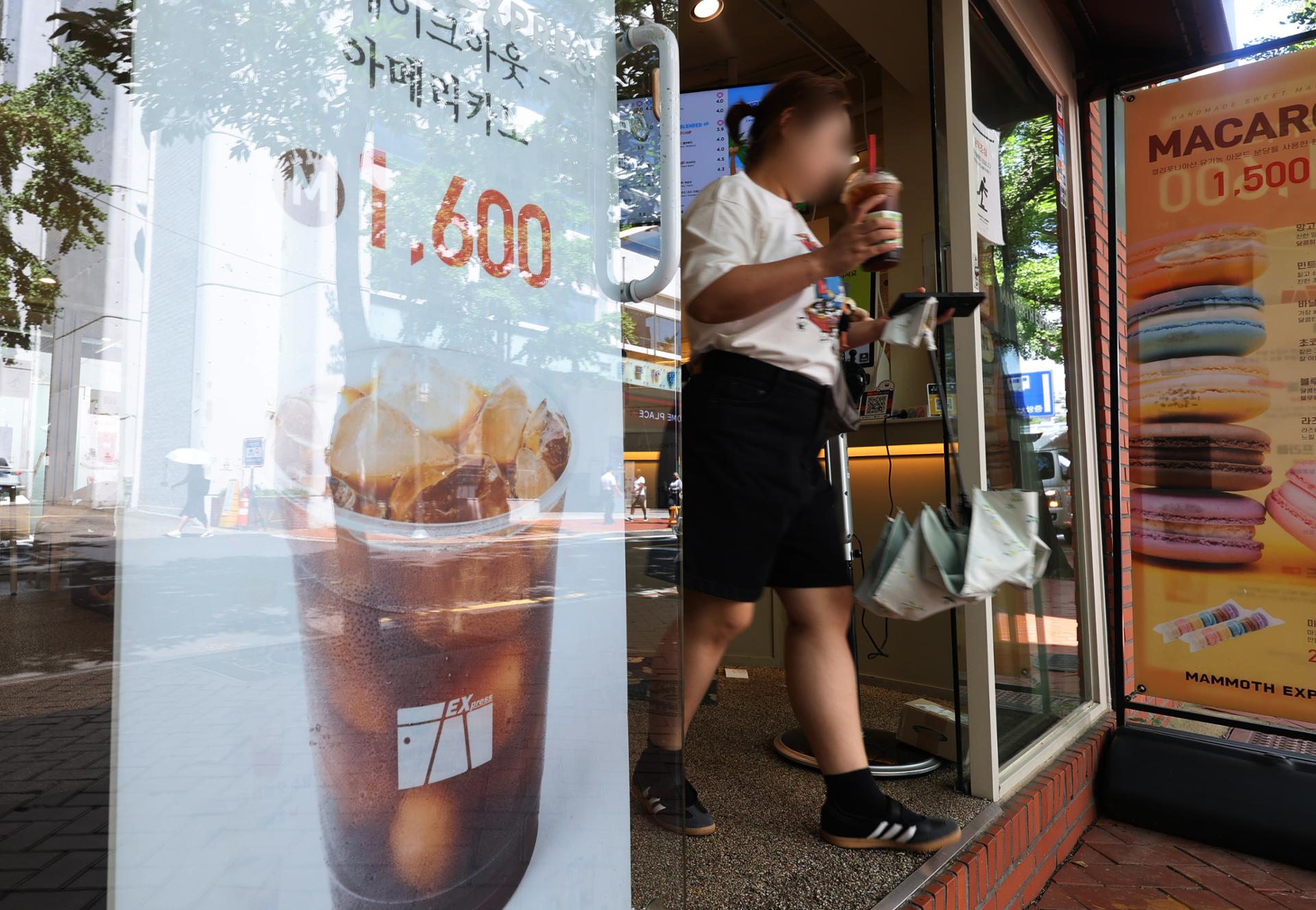
South Korea's coffee market is undergoing a structural shift as consumer demand diversifies across both premium specialty offerings and budget-friendly options, according to the Ministry of Agriculture, Food and Rural Affairs.
The ministry reported on Tuesday that coffee consumption in the country has moved well beyond traditional instant coffee mixes to encompass a broadening range of roasted coffee beans and specialty beverages. This evolution has not only widened the domestic consumer base but also bolstered Korea's coffee exports. South Korea ranks among the top coffee-consuming nations in Asia per capita, a position built over decades since instant coffee mixes became a workplace staple in the postwar industrial era.
Roasted Coffee Leads Industry Sales
Citing data from the Ministry of Food and Drug Safety, the agriculture ministry said roasted coffee businesses recorded the highest sales in the national coffee industry in 2024, generating over 1.3 trillion won ($917 million). The segment has posted average annual growth of 15.8 percent since 2018. Ready-to-drink coffee followed with 1.1 trillion won in sales, while instant coffee accounted for 404 billion won.
By contrast, sales and exports of coffee mix products have been declining since 2018, signaling that the domestic industry — once anchored by coffee mix consumption — has shifted its center of gravity toward roasted coffee.
The ministry described the trend as a "market polarization," with demand growing simultaneously at both the premium specialty end and the affordable, value-for-money segment. This mirrors a broader pattern seen in consumer markets worldwide, where middle-ground offerings lose share as buyers gravitate toward either premiumization or value-driven alternatives.
Korea as a Global Coffee Test Bed
The entry of global coffee brands into Korea has been a significant driver of market growth. The government noted that foreign brands are increasingly choosing Korea as an initial expansion destination before extending further into other East Asian markets. This positions Korea as a "key test bed" for international coffee companies to evaluate marketability, the ministry said. Korea's dense urban retail infrastructure, digitally connected consumers, and fast trend adoption cycles have made it an attractive proving ground for brands seeking to refine their Asian market strategies.
Imports and Exports
Korea imported more than 200,000 tons of coffee beans valued at $1.4 billion in 2024, a 5.8 percent increase from the previous year. Despite heavy reliance on imported beans, the country's coffee exports have continued to expand. Total coffee exports reached $230 million in 2024, up 4.6 percent year-on-year.
Instant coffee products made up 98 percent of total exports, while exports of roasted coffee beans surged 46.8 percent year-on-year in May 2025. The dominance of instant coffee in exports reflects Korea's established manufacturing base for the product, while the rapid growth in roasted bean exports points to emerging demand for Korean-roasted specialty coffee abroad.
Israel overtook China as the largest importer of Korean coffee products in 2023 and has maintained that position. Israel accounted for 18.1 percent of Korean coffee exports, followed by China at 15.4 percent, with Australia, the Philippines, and Chile rounding out the top destinations.
Industry Structure Shifts
"Driven by diversified consumer preferences, the domestic coffee industry features a highly dynamic ecosystem, with both premium and value-for-money markets growing simultaneously," said Jung Kyung-suk, director general of the Food Industry Policy Bureau at the ministry.
In 2023, the number of coffee processing businesses declined for the first time, falling 8 percent to 1,660. However, coffee shops serving consumers directly rose 5.7 percent year-on-year to 106,452. The share of coffee shops within the entire food service industry grew from 9.3 percent in 2018 to 13.4 percent in 2023, meaning roughly one in every seven food service establishments is now a coffee shop. The contraction in processing businesses alongside the expansion of coffee shops suggests a competitive shakeout among producers even as consumer-facing retail continues to grow.
The overall domestic coffee market was valued at 3.7 trillion won in 2024, an increase of 35.6 percent from 2018, reflecting an average annual growth rate of 5.2 percent.
Source: The Korea Times

