South Korea Draws Over 2 Million Foreign Medical Tourists in 2025
Key Takeaways
- •A total of 2.01 million foreign patients visited South Korea in 2025 for medical, dental, and surgical care, up 71.9 percent year-on-year.
- •Chinese nationals represented the largest patient group at 618,000, followed by 600,000 Japanese visitors.
- •Foreign medical tourists spent 213.08 billion won in July, up 66.5 percent year-on-year, with monthly spending above 200 billion won for five consecutive months.
- •Dermatology clinics captured 54.9 percent of foreign medical tourists' spending, followed by plastic surgery clinics at 19.3 percent.
- •Seoul accounted for 86.8 percent of total medical tourism spending, reflecting the concentration of clinics in districts such as Gangnam.
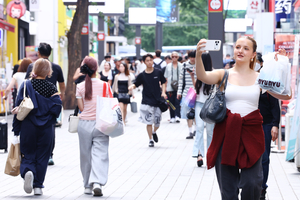
South Korea attracted more than 2 million foreign medical tourists last year, as global interest in the country's medical services continued to grow, according to a report released Sunday.
A total of 2.01 million foreigners visited South Korea in 2025 for medical, dental and surgical care, up 71.9 percent from a year earlier, an annual report by the state-run Korea Health Industry Development Institute showed. The milestone reflects South Korea's long-running effort to develop medical tourism as an export industry, a push the government began in earnest around 2009 when it introduced a medical visa program to attract foreign patients.
By country of origin, Chinese nationals accounted for the largest share at 618,000, or 30.8 percent of the total, followed by 600,000 from Japan, 185,000 from Taiwan and 173,000 from the United States. The strong inflows from East Asian neighbors track the broader regional popularity of Korean beauty and wellness trends, often described as the K-beauty wave, which has lifted demand for Korean dermatology and cosmetic services abroad.
Dermatology clinics drew 459,000 Chinese patients, followed by 399,000 Japanese patients. At plastic surgery clinics, Japanese patients led with 97,000 treatments, followed by 57,000 Chinese patients.
Separate data from the Korea Tourism Organization showed that foreign medical tourists spent 213.08 billion won ($154.35 million) in July, up 66.5 percent from a year earlier. The monthly figure has stayed above 200 billion won for five consecutive months, from March through July.
By nationality, Chinese visitors spent 57.7 billion won, followed by Americans at 44 billion won and Japanese at 28.5 billion won.
Broken down by type of establishment, dermatology clinics accounted for 54.9 percent of foreign medical tourists' spending, followed by plastic surgery clinics at 19.3 percent and pharmacies at 12.9 percent. The concentration in cosmetic-related fields underscores how aesthetic medicine, rather than general hospital care, has become the main driver of the inbound patient boom.
By region, 86.8 percent of the total spending occurred in Seoul, followed by Busan at 6.4 percent and Gyeonggi Province at 3.7 percent. The capital's dominance reflects the clustering of major clinics in districts such as Gangnam, long known as a hub for cosmetic surgery and skincare services.
"This is the result of the growing perception that South Korea's medical technology is world-class, combined with the fact that major hospitals and clinics have established multilingual guidance systems and improved the convenience of treatment," said Yoon Ji-hwan, a professor at Kyung Hee University. (Yonhap)
