Trump's Canada Tariffs Put $4 Billion in Kansas City Exports at Risk in Deep-Red Missouri
Key Takeaways
- •The Trump administration levied 50 percent tariffs on $20 billion worth of Canadian goods, while Canada plans retaliatory tariffs on roughly 700 American products beginning September 8.
- •The Kansas City metro area exports about $4 billion in goods to Canada each year, and 37 percent of its exported goods go to that country.
- •A 2025 Canadian Chamber of Commerce study ranked Kansas City the third-most vulnerable U.S. city in a prolonged trade dispute with Canada.
- •Economists say workers are hit first when tariffs raise prices and lower real wages, and small businesses dependent on cross-border supply chains may have to absorb tariff costs.
- •Kansas City's auto industry is a clear target because vehicles are among the region's largest exports, and parts cross the border repeatedly under the USMCA framework due for review in 2026.
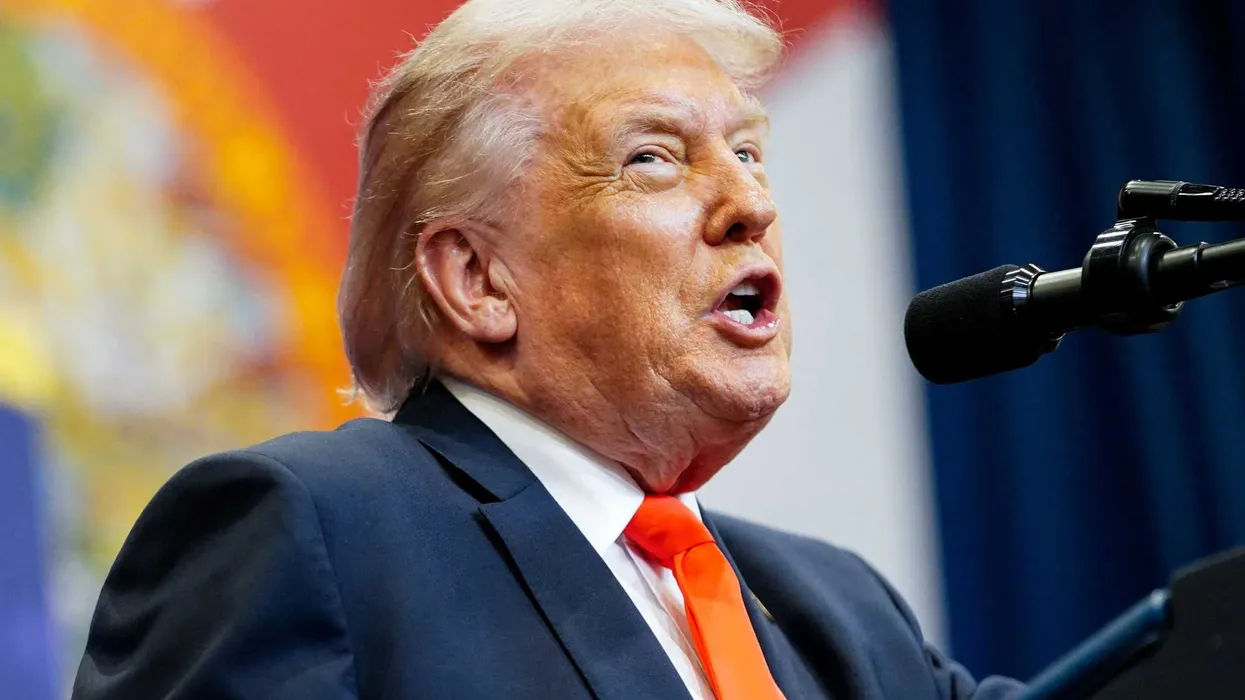
As President Donald Trump escalates his prolonged trade war between the United States and Canada, an economic analysis shows that Missouri — a state that voted for Trump — faces serious economic problems, according to the Kansas City Star.
Trump may have tried to rename Lake Ontario to "Lake America" in his latest jab at Canada, but the impact of the 50 percent tariffs his administration levied on $20 billion worth of Canadian goods is anything but symbolic. Nor is the pain from the retaliatory tariffs Canada plans to impose on roughly 700 American products beginning Sept. 8.
"The Kansas City metro area exports about $4 billion in goods to Canada annually, including vehicles, plastics, chemicals and agricultural products," according to a 2025 study by the Canadian Chamber of Commerce.
"Any variation in tariffs may be sensitive," said Ariel Dvoskin, who studies trade theory and teaches economics at the University of Missouri Kansas City, "and the [50 percent] variation that we are talking about right now … would substantially affect the exports from KC."
Dvoskin noted that 37 percent of Kansas City's exported goods go to Canada, placing this Trump-voting state directly in the line of fire. "When you increase tariffs, of course, those who suffer first are workers because prices go up and their real wages go down," Dvoskin said.
The Canadian Chamber of Commerce study identified Kansas City as one of the U.S. cities that would take the hardest hit in a trade war between the North American allies, ranking it the third-most vulnerable city in a prolonged trade dispute because of its dependence on Canadian demand.
The study was based on 2023 data, but Andrew DiCapua, the chamber's principal economist and the study's author, told the Star that the results still apply today.
"Kansas City really is at the center of this trade war," DiCapua said. "… It raises costs for businesses. I mean, someone needs to pay for this. Even if it's not passed on to consumers right away, someone still needs to pay for the tariffs. So smaller businesses that rely on these supply chains are going to have to eat those costs."
Frank Lenk, director of economic research at the Mid-America Regional Council, told the Star that Kansas City's auto industry is among the clearest targets because vehicles are one of the region's largest exports and much of that trade is tied to Canada. Lenk added that Trump's trade war can also raise manufacturing costs for companies like Ford and General Motors, because parts and materials move back and forth across the border before final assembly. That back-and-forth is a defining feature of North American auto manufacturing, which was largely built around duty-free trade under the United States-Mexico-Canada Agreement, the trade pact that replaced NAFTA and is due for review in 2026 — meaning cross-border supply chains like Kansas City's are exposed not only to the current tariffs but to uncertainty about the broader framework governing them.
Those companies face a choice: absorb the costs, threatening their financial integrity and their workers, or pass the costs down to customers in a major blow.

