Sony and TSMC set groundwork for $6 billion joint factory in Japan
Key Takeaways
- •Sony Semiconductor Solutions and TSMC signed a non-binding MOU on May 8 to create a joint venture focused on next-generation CMOS image sensors, with Sony holding majority ownership.
- •The new facility in Kumamoto could represent an investment exceeding $6 billion, deployed in phases based on market demand.
- •The ownership structure reverses the companies' existing JASM partnership, where TSMC holds the controlling stake alongside minority investors Sony, Denso, and Toyota.
- •The joint venture targets automotive sensors and robotics applications under Sony's "physical AI" category, expanding beyond traditional consumer electronics markets.
- •A definitive contract still needs to be finalized and standard closing conditions satisfied before the agreement becomes binding.
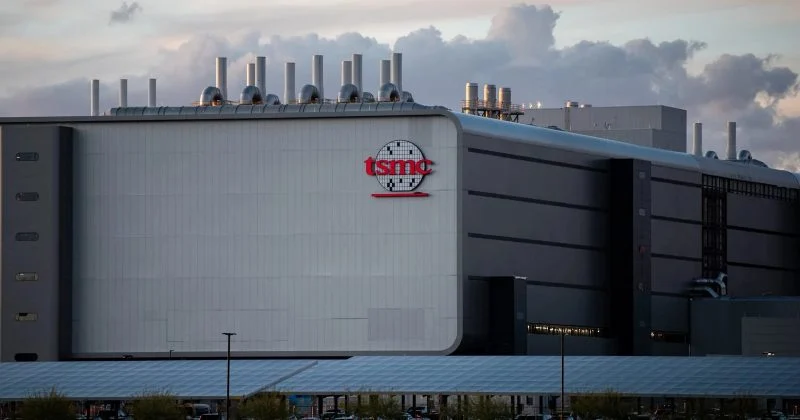
Sony Semiconductor Solutions and TSMC have signed a non-binding memorandum of understanding to form a joint venture focused on developing and producing next-generation CMOS image sensors. Sony is already the world's largest supplier of CMOS image sensors, with its components used in smartphones, cameras, and an expanding range of automotive and industrial applications. The facility will be located in Koshi City, Kumamoto Prefecture, in the same region where the two companies already operate a separate chip fab through their JASM partnership.
The MOU, signed on May 8, lays the groundwork for what could become a roughly $6 billion-plus investment in Japanese semiconductor manufacturing. Sony will hold majority ownership of the new joint venture, marking a notable shift from the existing JASM arrangement, in which TSMC holds the controlling stake.
What the deal involves
The joint venture will operate out of Sony’s newly constructed fabrication facility in Kumamoto. Investment is expected to be deployed in phases based on market demand rather than as one large lump-sum commitment. Sony also plans additional capital expenditures at its existing facility in Nagasaki, although those investments depend on support from the Japanese government.
In addition to consumer electronics applications, the partnership is targeting what Sony describes as “physical AI,” a category that includes automotive sensors and robotics. Demand for image sensors in vehicles has grown as automakers add advanced driver-assistance systems and cameras to new models, broadening the customer base beyond traditional consumer electronics.
Building on an existing relationship
This is not the first collaboration between Sony and TSMC in Kumamoto. The two companies already work together in Japan Advanced Semiconductor Manufacturing, or JASM, alongside Denso and Toyota. JASM began volume production in late 2024 and marked TSMC’s first major manufacturing footprint in Japan.
In JASM, TSMC holds the majority stake, while Sony, Denso, and Toyota are minority investors. The new joint venture reverses that structure, with Sony as the majority owner. That arrangement gives Sony more direct control over the facility’s output and strategic direction.
Japan’s broader chip strategy
Japan’s semiconductor ambitions extend beyond a single partnership. The country was once the global leader in chip manufacturing, accounting for more than half of worldwide production in the late 1980s. Its share has since fallen to roughly single digits, as manufacturing shifted to Taiwan, South Korea, and mainland China. Japan’s government has been working to rebuild domestic production capacity through subsidies and partnerships with foreign chipmakers, part of a wider global trend of countries seeking to localize semiconductor supply chains after pandemic-era shortages exposed concentration risks.
The agreement remains non-binding for now, and both sides still need to finalize a definitive contract and satisfy standard closing conditions.

