Apple iPhone 18 Pro Expected to Debut September 9 as Investors Watch AI and Upgrade Demand
Key Takeaways
- •Forbes has identified September 9 as the likely date for Apple's iPhone 18 Pro announcement, based on the company's established launch calendar, though Apple has not officially confirmed it.
- •The iPhone 18 Pro is widely expected to feature a new A20-series processor manufactured using TSMC's 2-nanometer technology, which could improve performance and power efficiency for AI workloads.
- •Reports indicate Apple may adopt a staggered release schedule in 2026, with Pro models and a first foldable iPhone launching in September while the standard iPhone 18 could be delayed until spring 2027.
- •Analysts will closely monitor preorder activity, pricing, and upgrade demand as early indicators of how the iPhone 18 Pro cycle may perform during the critical holiday quarter.
- •Rumored hardware changes include a variable-aperture camera system and a reduced-size Dynamic Island, reflecting Apple's focus on internal improvements rather than a full exterior redesign.
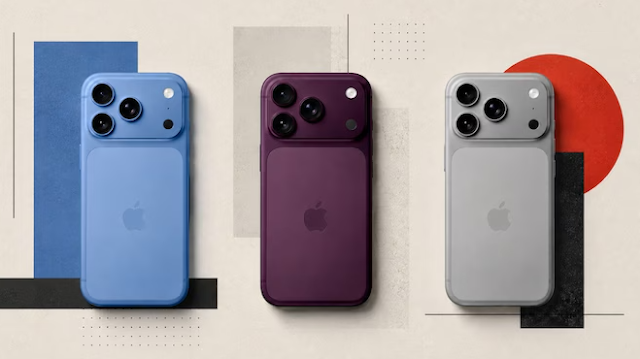
Apple is expected to unveil the iPhone 18 Pro at a September event, with September 9 emerging as the leading date for the company's next major smartphone announcement, according to Forbes.
The anticipated launch is already attracting attention well beyond Apple's loyal customer base. For investors, the event could provide an important early signal about consumer demand, pricing power, and whether artificial intelligence features are becoming a meaningful reason for smartphone owners to upgrade.
The iPhone remains one of Apple's most important products and a major contributor to the company's annual revenue. A strong launch during the second half of the year could provide additional momentum heading into the crucial holiday shopping period, while weaker-than-expected demand could raise questions about how willing consumers are to replace relatively recent devices.
For the supply chain, the stakes are also significant. Taiwan Semiconductor Manufacturing Co., commonly known as TSMC, is expected to remain a critical manufacturing partner as Apple moves toward a new generation of processors.
Although Apple has not officially confirmed the September 9 event date or the final specifications of the iPhone 18 Pro, multiple reports have pointed toward that date. Forbes has described September 9 as the likely date based on Apple's established launch calendar.
September Could Set the Tone for Apple's Holiday Quarter
Apple's September iPhone launches have traditionally been closely watched because they occur just ahead of the company's most important sales period of the year. The timing allows new iPhones to reach consumers before the holiday shopping season, when demand for premium electronics typically receives a seasonal boost.
For Apple investors, the question is not simply whether the company can sell millions of new iPhones. The more important question is how many existing iPhone users are willing to upgrade.
The smartphone market has matured considerably over the past decade. Consumers often keep devices for several years, particularly when newer models provide incremental rather than transformational improvements. That makes the upgrade cycle one of the biggest variables surrounding every new iPhone generation.
If Apple can convince customers that the iPhone 18 Pro delivers meaningful improvements in performance, cameras, battery life, and artificial intelligence, demand could prove resilient. If consumers see fewer compelling reasons to replace their existing devices, the company could face a more challenging sales environment.
What Investors Will Watch at the iPhone 18 Pro Launch
Wall Street is likely to focus on three major areas: pricing, upgrade demand, and AI.
Pricing could provide an immediate indication of Apple's confidence in consumer demand. A higher starting price would allow Apple to increase revenue per device if consumers continue buying its premium models. However, aggressive pricing could also discourage customers who are already satisfied with older iPhones. The balance will be particularly important if Apple continues to emphasize its higher-end Pro models as the center of its fall smartphone strategy.
Upgrade demand will be another critical metric. Apple does not normally disclose detailed iPhone unit sales in the way some investors might expect. Instead, analysts look at revenue, management commentary, channel checks, and other indicators to estimate how the product cycle is performing.
Preorder activity could therefore become one of the first signs of whether consumers are responding positively. Strong preorder demand would suggest that customers are willing to spend on the new generation. Weak demand, by contrast, could lead analysts to reassess their expectations for Apple's holiday quarter.
Artificial Intelligence Moves to the Center of the iPhone Story
Artificial intelligence is expected to play a major role in the next phase of Apple's smartphone strategy. Apple has already been integrating AI capabilities into its ecosystem through Apple Intelligence, but investors have increasingly looked for evidence that those features can drive hardware upgrades. This shift comes as rivals such as Google and Samsung have already aggressively marketed their own on-device AI capabilities, putting competitive pressure on Apple to demonstrate that its vertically integrated ecosystem can deliver superior user experiences.
That distinction matters. Consumers may appreciate AI features without necessarily purchasing a new phone. For Apple, the ideal outcome would be to make advanced AI capabilities sufficiently useful that customers begin viewing newer hardware as necessary rather than optional.
The iPhone 18 Pro could become an important test of that strategy. Reports suggest Apple's next-generation Pro models could benefit from additional processing power designed to handle demanding AI workloads more efficiently. Some of the rumored hardware changes include a new A20-series processor, additional memory, and improvements to the Neural Engine and other components used for machine-learning tasks. These specifications remain unconfirmed until Apple officially announces the product.
The A20 Chip Could Be a Major Hardware Upgrade
One of the most closely watched changes is Apple's expected move toward a 2-nanometer chip manufacturing process. The iPhone 18 Pro is widely expected to use a new-generation A20 processor manufactured using TSMC's 2nm technology.
MacRumors reports that the iPhone 18 Pro and iPhone 18 Pro Max are expected to be among Apple's first devices using the new process technology. Moving to a smaller manufacturing process can allow chip designers to place more transistors into a similar physical area while potentially improving performance and power efficiency. For consumers, that could translate into faster applications, better gaming performance, and improved battery efficiency.
For Apple, however, the significance goes deeper. More efficient processors can provide additional computing capacity for AI features without necessarily requiring dramatically larger batteries. That could become increasingly important as smartphones take on more AI-related tasks.
TSMC Could Benefit From Apple's Next iPhone Cycle
The iPhone 18 Pro launch is also significant for TSMC. Apple is one of TSMC's most important customers, and the company's transition to advanced chip manufacturing creates an important source of demand for leading-edge semiconductor production.
The relationship between Apple and TSMC has become a central part of the global technology supply chain. As semiconductor companies race to develop smaller and more efficient process nodes, major customers such as Apple can help support the enormous investment required to build and operate advanced manufacturing capacity.
The expected use of 2nm technology in Apple's next-generation iPhone processors could therefore have implications beyond the smartphone market. It could provide another demonstration of TSMC's ability to manufacture advanced chips at scale.
Camera Improvements Could Help Drive Upgrades
Cameras remain one of the most visible reasons consumers consider upgrading their smartphones. The iPhone 18 Pro is expected to bring camera improvements, although Apple has not yet confirmed the final specifications.
Among the rumored changes is a variable-aperture camera system, which could give users greater control over how much light reaches the sensor. Such a feature could improve photography in different lighting conditions while giving users additional creative control. For Apple, camera improvements have historically been an effective way of communicating the benefits of a new iPhone to consumers. Unlike technical improvements hidden inside the processor, camera changes are easy to demonstrate. A launch presentation can immediately show consumers how a new camera performs compared with previous generations.
A Smaller Dynamic Island Is Also Expected
Another rumored change involves the Dynamic Island. Reports have suggested that Apple could reduce the size of the Dynamic Island on the iPhone 18 Pro, potentially creating additional usable screen space. MacRumors lists a smaller Dynamic Island among the expected changes for the next-generation Pro models.
The change would represent a relatively subtle design adjustment compared with a complete redesign. That may reflect Apple's broader approach to the iPhone 18 Pro. Rather than completely changing the physical appearance, Apple appears to be focusing on improvements to internal hardware, cameras, efficiency, and software capabilities. For existing iPhone owners, the question will be whether those changes are substantial enough to justify upgrading.
Apple Could Take a Different Approach to the iPhone 18 Lineup
One of the more unusual aspects of Apple's expected 2026 strategy is the possibility of a staggered release schedule. Reports indicate that the iPhone 18 Pro and iPhone 18 Pro Max are expected to arrive in September, while lower-priced iPhone 18 models could follow later.
MacRumors currently expects the Pro models and Apple's first foldable iPhone to arrive in September, with the standard iPhone 18 potentially delayed until spring 2027. This expected entry into the foldable market would place Apple in direct competition with Samsung and Google, both of which have established a strong presence with foldable devices, highlighting a strategic need to retain high-end market share.
For Apple, this strategy could have important financial consequences. If consumers looking for a new iPhone during the traditional fall season have fewer lower-priced options, more customers could potentially gravitate toward Pro models. That could increase Apple's average selling price. It could also make the Pro lineup even more important to the company's holiday-quarter results.
Pricing Could Become a Key Risk
The biggest challenge may be price. Apple's premium smartphones already occupy the upper end of the consumer electronics market. As advanced chips, memory, and other components become more expensive, Apple could face pressure to either absorb higher costs or pass some of them on to consumers. Broader macroeconomic pressures, including inflation and elevated interest rates, have also made consumers more cautious with discretionary spending on premium electronics, adding another layer of difficulty to the pricing equation.
Reports have suggested that next-generation components could increase manufacturing costs, particularly as Apple moves to advanced semiconductor technology. That creates a difficult equation. Higher prices can increase revenue per unit, but they can also reduce demand. Apple's ability to maintain strong sales while preserving margins will therefore be closely watched.
The Upgrade Cycle Is the Bigger Story
The iPhone 18 Pro launch should ultimately be viewed through the broader upgrade cycle. The smartphone industry is no longer driven solely by consumers buying their first smartphones. Most developed markets have large populations of existing smartphone users. That means manufacturers must persuade customers to replace devices they already own.
Apple's challenge is to make the difference between an older iPhone and the new model meaningful enough to encourage that decision. AI could become one of the strongest arguments. If new Apple Intelligence features require more powerful hardware, users with older devices may have a stronger incentive to upgrade. But Apple will need to demonstrate that those capabilities provide real-world value rather than simply adding another marketing category.
Preorders Could Provide an Early Signal
Once the launch occurs, investors will quickly turn their attention to preorder activity. Forbes expects Apple to potentially open preorders on September 11, followed by availability around September 18, although these dates remain projections rather than official announcements.
The first few days of demand can provide useful information about the strength of the product cycle. Long shipping times and rapid sellouts can indicate strong demand. Conversely, abundant inventory and short delivery times may suggest that initial demand is less intense.
Neither signal is perfect. Apple manages its inventory carefully and can adjust production based on demand expectations. Still, investors will likely examine preorder trends closely.
Why the Holiday Quarter Matters
Apple's fiscal calendar makes the launch particularly important. The September iPhone release typically contributes to the company's December quarter, when holiday spending can significantly increase demand for consumer electronics.
A strong iPhone 18 Pro launch could therefore create a positive chain reaction. More device sales could lift iPhone revenue. Higher demand could support services revenue as users enter Apple's ecosystem or purchase additional services. Accessory sales could also benefit. And stronger demand could provide additional momentum for Apple's suppliers.
The opposite scenario could also occur. If consumers delay upgrades or reject higher prices, analysts could lower their expectations for the holiday quarter. That could put pressure on Apple's stock even if the broader business remains healthy.
The Supply Chain Will Be Closely Watched
Apple's enormous supply chain adds another layer of complexity. The company relies on a large network of semiconductor manufacturers, display suppliers, camera component makers, assembly partners, and logistics companies. Any disruption can affect production.
The move toward more advanced components can make supply planning even more complicated. TSMC's ability to produce advanced processors at the necessary scale will therefore be important. Other components, including memory, cameras, and displays, will also need to be available in sufficient quantities.
Recent industry reports have already pointed to supply-chain pressures surrounding components for the upcoming iPhone generation, although the impact on Apple's launch plans remains uncertain.
Coin Bureau Has Also Highlighted the iPhone 18 Story
The Coin Bureau account on X has previously drawn attention to developments surrounding the iPhone 18 Pro and Apple's supply chain. In June, the account posted about reported information involving an Apple supplier and alleged iPhone 18 Pro component data. CoinCentral later reported that the post referenced an investigation connected to leaked supplier information. The episode illustrates how closely the upcoming iPhone is already being watched before its official introduction.
For investors, however, the more important information will ultimately come from Apple itself, including the product announcement, pricing, preorder performance, and management commentary about demand.
Source: Coin Bureau on X
Apple Stock Faces a New Product-Cycle Test
For holders of Apple stock, the iPhone 18 Pro launch represents more than another annual product announcement. It is a test of Apple's ability to continue generating growth from its most important hardware franchise while expanding its AI strategy.
The company has enormous brand loyalty, a powerful ecosystem, and a large installed base of iPhone users. Those advantages give Apple significant opportunities. But they also create expectations. Investors are accustomed to Apple producing highly successful launches. That means a merely solid product cycle could sometimes be interpreted as disappointing if expectations are too high.
The Bigger AI Question for Apple
Perhaps the most important question is whether Apple can turn AI into a genuine hardware upgrade cycle. The company has considerable advantages in this area. It controls its hardware, operating systems, and silicon architecture. That vertical integration gives Apple the ability to design AI features around the entire device rather than relying entirely on third-party components.
The iPhone 18 Pro could therefore serve as an important showcase for Apple's strategy. If AI features become deeply integrated into everyday tasks, users may see greater value in upgrading to newer hardware. If the benefits remain limited or difficult to notice, AI may not be enough to accelerate replacement cycles.
What Could Go Right for Apple
The bullish scenario is relatively straightforward. Apple launches the iPhone 18 Pro with compelling AI features, meaningful camera improvements, and a faster, more efficient processor. Consumers respond positively. Preorders exceed expectations. Production remains on schedule. The Pro models sell strongly throughout the holiday period. TSMC and other key suppliers benefit from increased demand. Under that scenario, investors could view the launch as evidence that Apple's premium smartphone strategy remains strong.
What Could Go Wrong
The bearish scenario is equally important. Consumers may decide that their current iPhones are good enough. Higher prices could discourage upgrades. AI features may fail to create a strong reason to buy new hardware. Supply-chain constraints could limit availability. Or the new devices could perform well but fail to exceed the high expectations already reflected in Apple's valuation. Any of those factors could lead investors to question the strength of the next iPhone cycle.
Conclusion
Apple is expected to unveil the iPhone 18 Pro on September 9, according to Forbes, although Apple has not officially confirmed the date. The upcoming launch could become one of the most closely watched technology events of 2026.
For consumers, attention will center on the design, cameras, battery life, performance, and new AI capabilities. For investors, the focus will be different. Upgrade demand, pricing, and preorder performance could provide some of the earliest clues about Apple's holiday-quarter prospects.
The expected introduction of a new A20-series chip based on TSMC's 2nm manufacturing technology could also strengthen the connection between Apple's hardware roadmap and the semiconductor industry's move toward increasingly advanced manufacturing.
The potential importance of AI should not be underestimated. Apple needs to demonstrate that artificial intelligence is more than a software feature. It needs to show consumers why the latest hardware can deliver experiences that older iPhones cannot. That could determine whether the iPhone 18 Pro becomes another successful annual upgrade or the beginning of a more significant hardware cycle.
As September approaches, investors will be watching Apple closely. The headline launch may last only a few hours, but its impact could extend through the entire holiday shopping season and into Apple's next fiscal year.
Source: Hokanews

