Solana Rallies as Alpenglow Upgrade and Record ETF Inflows Converge
Key Takeaways
- •The Alpenglow upgrade, developed by Anza, replaces Solana's TowerBFT consensus engine with the Votor protocol, reducing transaction finality from roughly 12.8 seconds to about 150 milliseconds.
- •Activation is scheduled to begin on September 28 but depends on 95 percent of staked validators updating their node software in advance.
- •The upgrade raises the network's fault tolerance threshold from 33 percent to 40 percent of st validators and moves validator voting off-chain, a process that has consumed up to 75 percent of on-chain transactions.
- •US Solana ETFs drew $188.21 million in net inflows between September 21 and 25, the largest weekly total since launch, led by Bitwise's BSOL fund with $128.46 million.
- •Solana traded at $123.66, up 2.39 percent over 24 hours and 14.75 percent over the past week, marking twelve consecutive weeks of positive ETF flows.
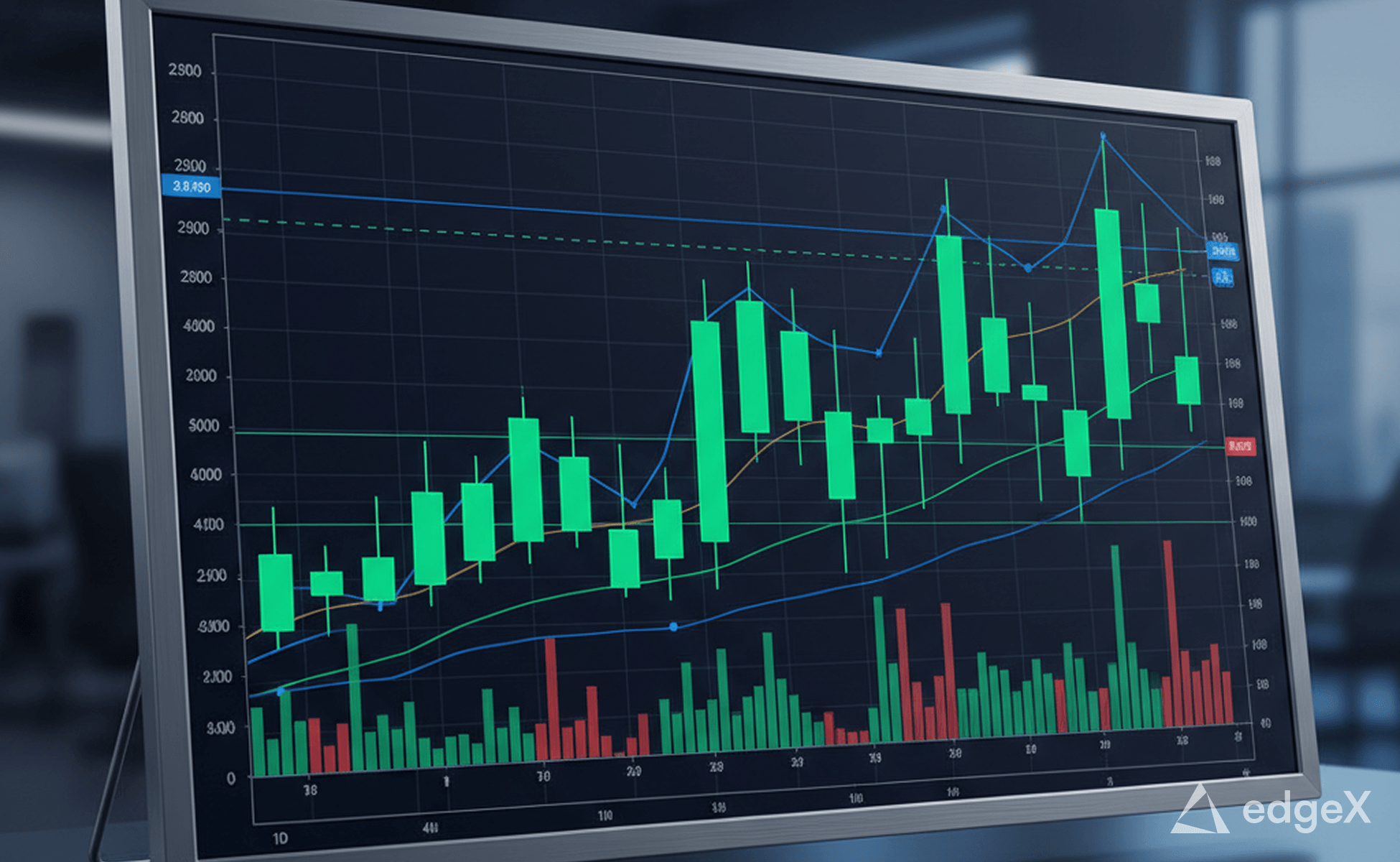
Solana has climbed sharply recent days, with traders pointing to two converging catalysts. A major network upgrade called Alpenglow is nearing activation, promising faster and cheaper transactions. At the same time, US Solana exchange-traded funds (ETFs) posted their strongest inflow week since launch, signaling growing institutional appetite for the asset alongside the technical shift. The pairing illustrates how protocol-level progress and institutional access can reinforce one another in a single market move.
Alpenglow Upgrade Builds Anticipation
The upgrade, developed by Solana core engineering group Anza, replaces the network's underlying consensus engine entirely. It swaps the legacy TowerBFT system for a new protocol called Votor, which handles validator votes directly instead of packaging them into on-chain transactions. The change cuts transaction finality — the point at which a transaction becomes irreversible — from roughly 12.8 seconds down to about 150 milliseconds.
Crypto commentator Sarosh highlighted the scale of the shift on X. He described it as “the largest overhaul in Solana’s history,” noting that it replaces the system validators use to agree on transactions.
WHY SOLANA HAS BEEN PUMPING
A massive system upgrade called Alpenglow is getting ready to launch. Developed by the core engineering Anza, this is the largest overhaul in Solana’s history. It completely replaces the underlying consensus engine—the system computers use to…
— Sarosh (@SaroshQ2022) September 27, 2026
Traders have treated the upgrade as a fundamental catalyst, since faster finality and lower fees tend to draw renewed trading activity. Finality speed shapes what can realistically run on a chain, because payments and trading applications depend on users getting quick confirmation that a transaction has settled. Code for Alpenglow has sat inactive on mainnet since September 18, building expectation ahead of a formal switch.
Activation is scheduled to begin on September 28, though the date depends on 95 percent of staked validators updating their node software first. That countdown appears to be feeding speculative buying into the deadline. The key checkpoint to watch is whether the 95 percent threshold is reached in time — and, once the switch is live, whether the promised finality and cost improvements hold in day-to-day operation.
Network Improvements Reinforce the Rally
Beyond speed, Alpenglow raises Solana’s fault tolerance threshold — how much of the validator set can fail before the network stops functioning — from 33 percent to 40 percent of staked validators. This gives the network stronger protection against outages, routing failures, or hardware crashes. Traders view the added resilience as a positive signal for long-term network reliability. Reliability has been a long-running theme for Solana, which makes resilience metrics a closely watched gauge of the network’s operational maturity.
Validator voting has historically consumed a heavy share of network capacity, accounting for up to 75 percent of on-chain transactions. Moving that process off-chain frees transaction space for regular users and cuts the SOL cost of running a validator. Lower operating costs are seen as supportive for validator participation and network health.
Because the upgrade touches only infrastructure, wallets, smart contracts, and fee structures remain unchanged for users. This combination of speed, resilience, and cost reduction has given market participants a clear narrative to buy into ahead of activation.
ETF Inflows Add Fuel to the Move
Institutional demand has amplified the rally. US Solana ETFs drew $188.21 million in net inflows between September 21 and 25, the largest weekly total since the products launched. The official Solana account called it “the biggest week since launch” for these products.
US Solana ETFs post $188M in weekly inflows, the biggest week since launch. pic.twitter.com/Psba4s3JLR
— Solana (@solana) September 27, 2026
Spot ETFs hold the underlying asset directly, so sustained inflows translate into ongoing purchases of SOL by fund managers. Solana products also extend a US lineup that began with spot Bitcoin and Ethereum funds, widening institutional access beyond the two largest cryptocurrencies.
Bitwise’s staking-enabled BSOL fund led inflows with $128.46 million, favored for its yield on staked SOL. It outpaced Grayscale’s GSOL and Fidelity’s FSOL during the same period. Thirty-day inflows reached $447.7 million, with cumulative totals surpassing $1.61 billion.
Solana traded at $123.66 at the time of writing, up 2.39 percent over the past 24 hours and 14.75 percent over the past week. Twelve straight weeks of positive ETF flows suggest steady institutional accumulation has compounded with upgrade-driven momentum during the move. With activation pending, weekly ETF flow reports will remain the clearest running gauge of institutional positioning.
Source: Blockonomi

