Study Links 'Social Jetlag' in Teen Sleep Schedules to Anxiety, Renewing Debate Over School Start Times
Key Takeaways
- •A University of Southampton review found an association between social jetlag — gaps between weekday and weekend sleep schedules — and anxiety in adolescents aged 12 to 18.
- •The meta-analysis used data from 12 of 18 reviewed studies, covering 235,526 adolescents, and found the association was small but statistically significant.
- •Researchers emphasized the study shows an association, not causation, and advised maintaining consistent sleep and wake times all week, including weekends.
- •The American Academy of Pediatrics and the American Academy of Sleep Medicine recommend middle and high schools start no earlier than 8:30 a.m., with teens aged 13-18 getting eight to 10 hours of sleep daily.
- •Puberty biologically shifts adolescents' circadian rhythms later, so experts say simply telling teenagers to go to bed earlier may not ensure sufficient sleep.
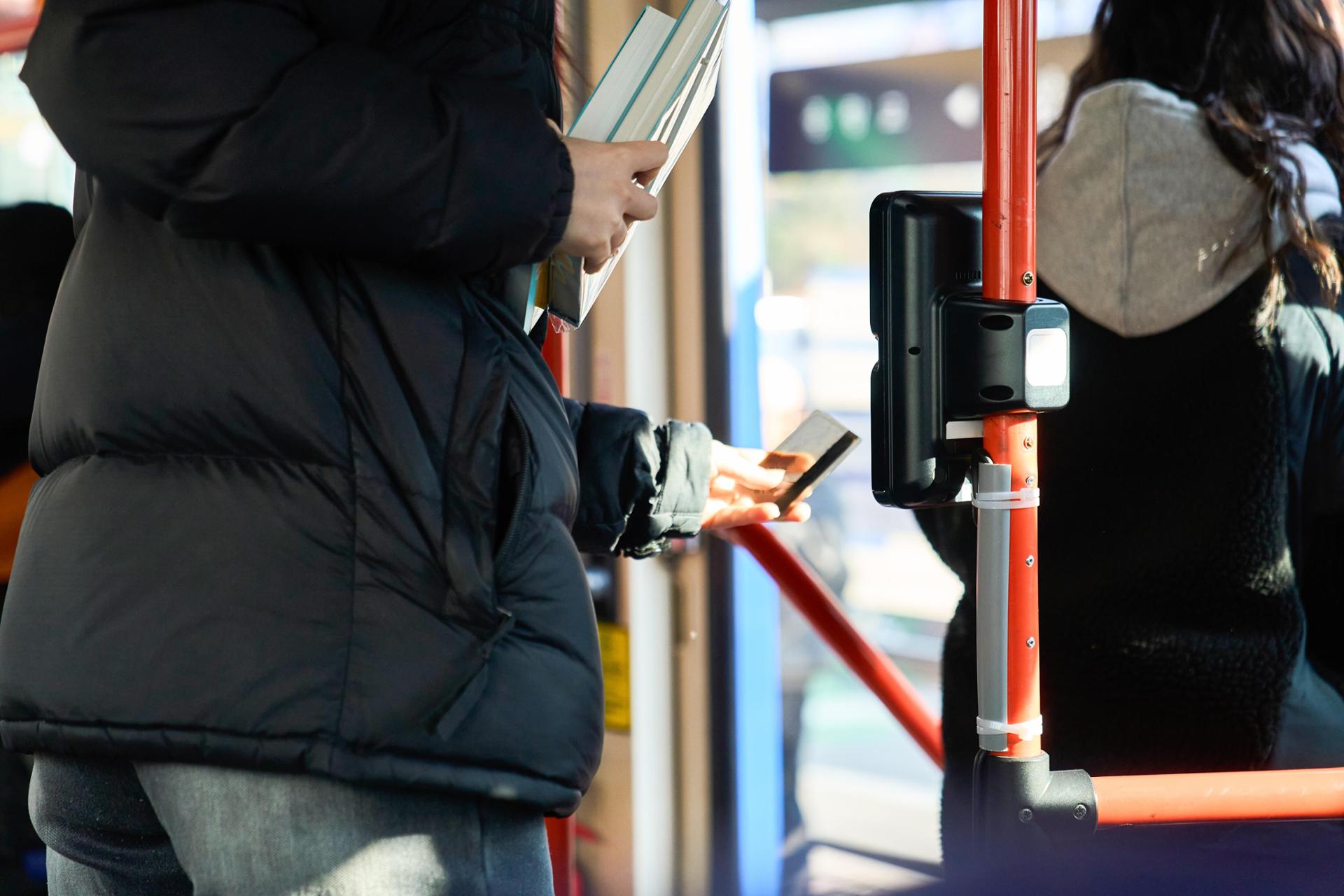
As adolescents go through puberty, the timing of melatonin release — the hormone that promotes sleep — tends to shift later, meaning teenagers often fall asleep and wake up later than they did as children. Yet when schools begin early in the morning, adolescents are frequently forced to wake earlier than their natural body clocks would prefer. This mismatch is one reason many teenagers sleep late on weekends, which can make weekday and weekend schedules even harder to align.
A recent study published in the international journal Sleep Medicine Reviews found that this gap between weekday and weekend sleep schedules — a phenomenon known as "social jetlag" — is associated with anxiety among adolescents.
Researchers from the University of Southampton's department of psychology systematically reviewed studies examining the relationship between social jetlag and anxiety in adolescents aged 12 to 18. Eighteen studies were included in the review, and data from 12 of those studies, covering 235,526 adolescents, were used in a meta-analysis.
The researchers found that adolescents with larger differences between their weekday and weekend sleep schedules tended to report higher levels of anxiety. Although the association was small, it was statistically significant.
The researchers cautioned, however, that the study identified an association rather than proving that social jetlag directly causes anxiety. "Nevertheless, these findings highlight the importance of maintaining consistent sleep and wake times throughout the week, including on weekends," they said. They also noted that school start times should be reconsidered in light of the biological changes in sleep patterns that occur during adolescence.
In the United States, major medical organizations have long recommended that middle and high schools start no earlier than 8:30 a.m. Both the American Academy of Pediatrics and the American Academy of Sleep Medicine (AASM) advise that classes for middle and high school students begin at or after 8:30 a.m. The AASM recommends that teenagers aged 13 to 18 get eight to 10 hours of sleep per day, underscoring why school schedules remain a recurring issue in discussions about adolescent health and academic functioning.
During puberty, adolescents undergo biological changes that shift their circadian rhythms later, making them naturally inclined to feel sleepy later at night and wake up later in the morning. For this reason, experts say that simply telling teenagers to go to bed earlier may not be enough to ensure they get sufficient sleep.
Adequate sleep is also essential for the developing adolescent brain. During adolescence, brain functions involved in learning and memory, emotional regulation and decision-making continue to develop. Deep sleep in particular plays an important role in consolidating and retaining information acquired during the day. Insufficient sleep, by contrast, can negatively affect not only concentration, learning and memory, but also emotional regulation, impulse control and judgment.
This article from Kormedi.com, Korea's top health care and medical portal, is translated by a generative AI system and edited by The Korea Times.

